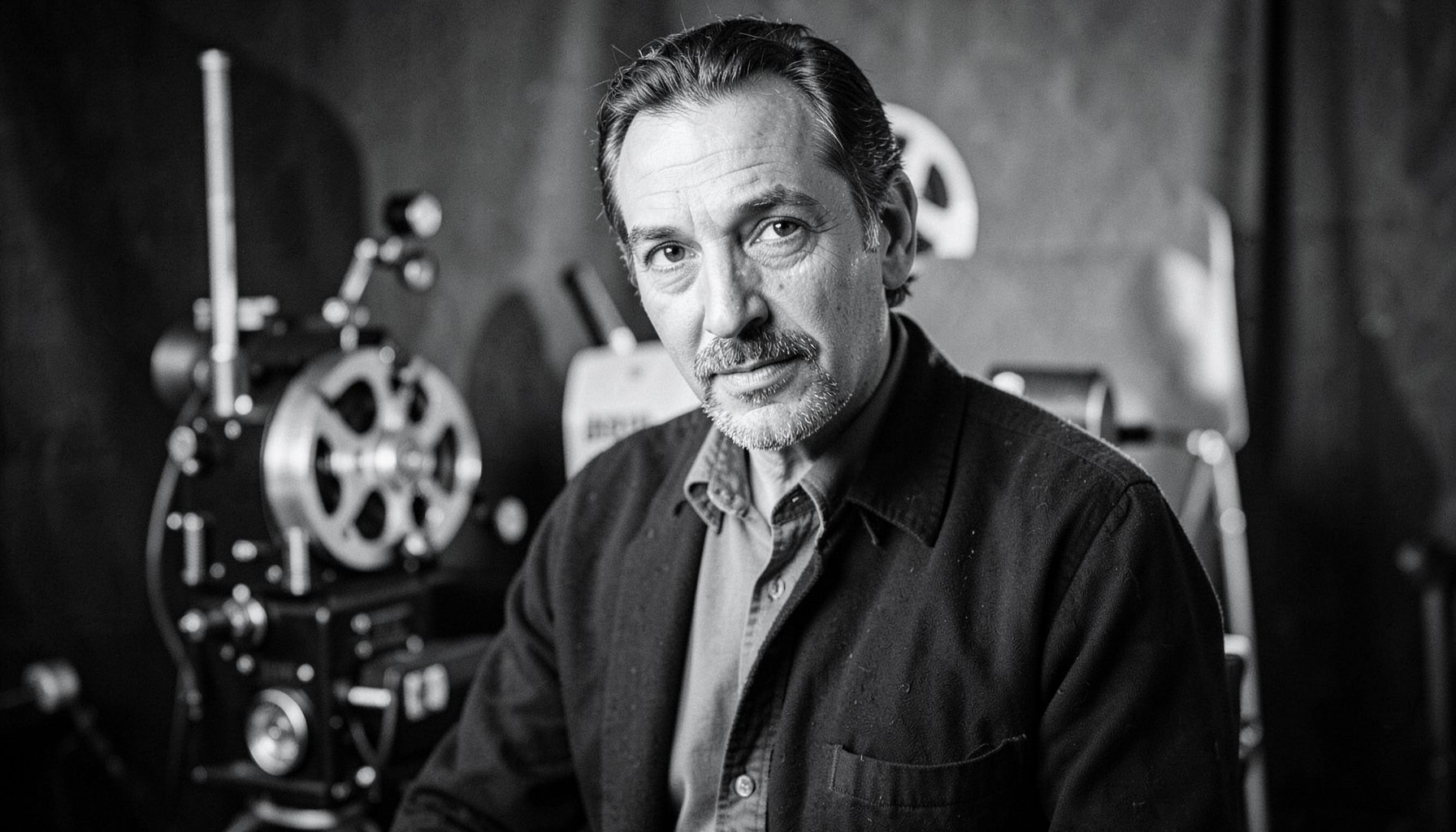

Shagrir and the 1977 Egypt Peace Initiative on Film
Micha Shagrir (1934–2021) spent most of his working life behind a camera trained on Israeli politics, war and ordinary street life, and 1977 was among the busiest of those years. When Egyptian President Anwar Sadat landed in Jerusalem that November — the first official visit by an Arab leader to the state — Shagrir's crews stood in the crowd with the rest of the press corps, filming motorcades, speeches and handshakes that signalled a diplomatic reversal nobody had predicted a year earlier.
What survives is more than a memory of the visit. The Shagrir Collection gathers negatives, prints, news film, sound recordings and personal papers into a single searchable archive, and within it the 1977 material is unusually rich: original camera negatives, colour transparencies, sound recordings of the visit and the working paperwork of the coverage. Read together, they let a researcher follow the peace initiative as it was actually shot, rather than as broadcast history flattens it.
That has particular value in Australia, where the 1977 story is usually encountered at one remove — through ABC or SBS documentaries, festival retrospectives and the annotated photographs in books. Australian archivists and film historians are also wrestling with the same questions the collection faces: how to digitise fragile reels, how to clear rights under local law, and how to open a closed collection to researchers and classroom audiences.
Cameras in the Streets of Jerusalem
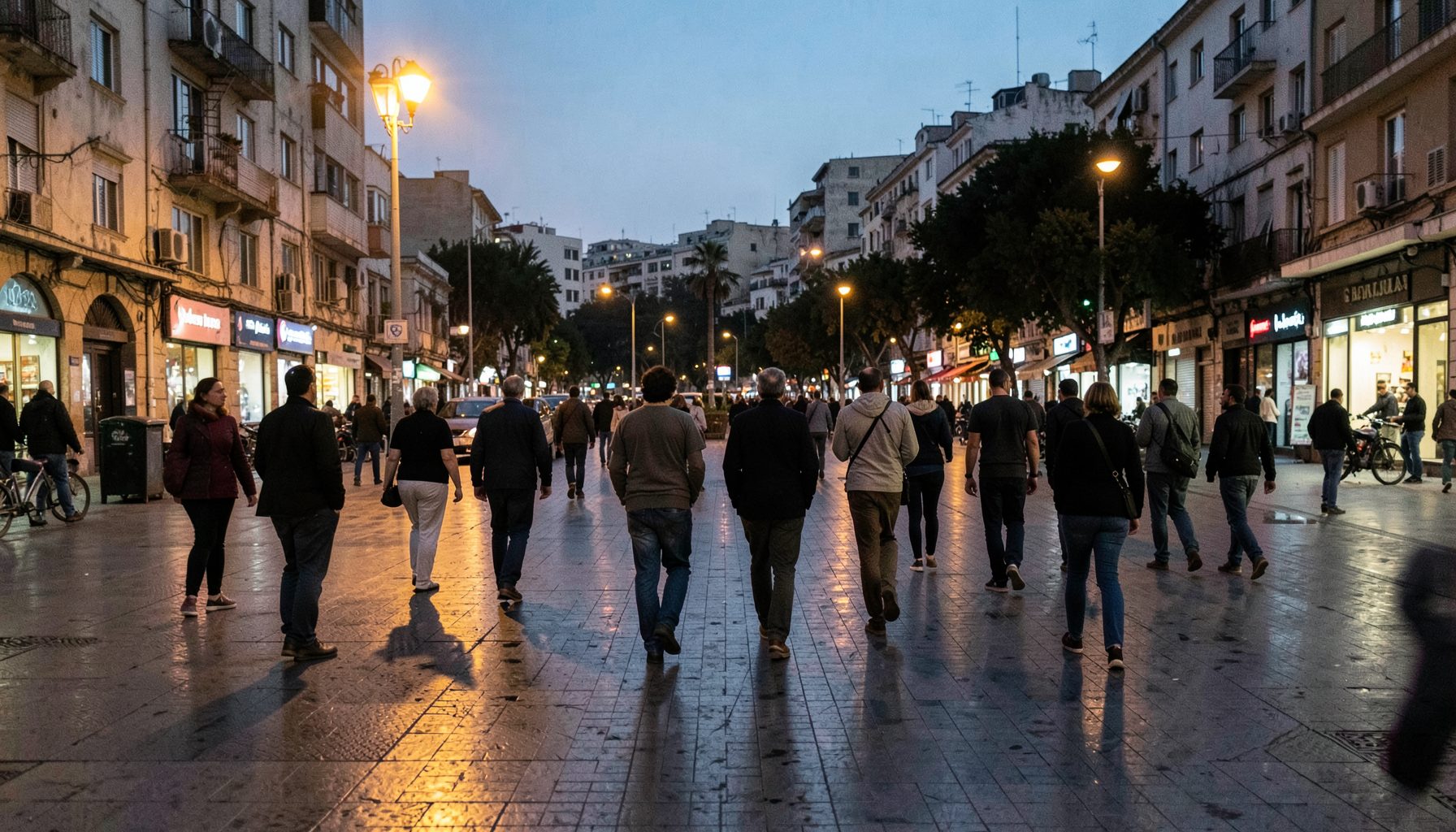
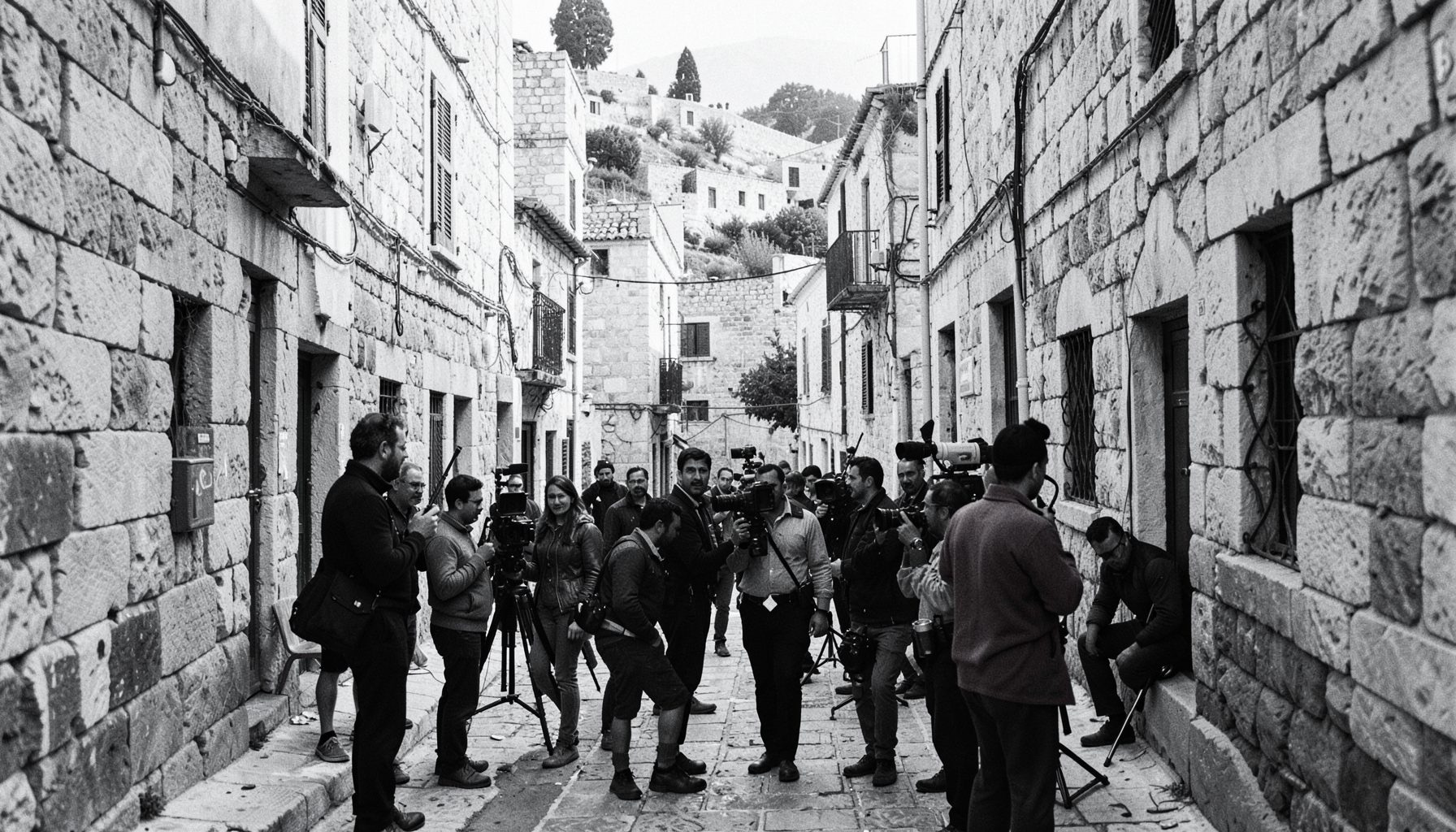
On 19 November 1977, the aircraft touched down at Ben Gurion and the city's streets filled with cameras. Shagrir's teams shot the motorcade through the heat and noise, the reception at the Prime Minister's Office, Sadat's visit to the Western Wall compound alongside Shimon Peres and Moshe Dayan, and Begin's welcome speech. The footage is remarkable less for its drama than for its density: a generation of image-makers documented the same day from balconies, pavements and press vehicles.
Alongside the daily news work, Shagrir habitually shot longer material for documentaries — longer takes, quieter frames, sequences that could carry an argument rather than a headline. Both streams survive. The distinction matters, because the news reels circulated through agencies and broadcasters, including Australian newsrooms, where they arrived trimmed, captioned and often re-voiced. What the collection holds is closer to the source: uncropped originals with the surrounding context of film cans, scripts and notes.
Washington, Carter and the Road to a Treaty
The visit was the opening movement, not the resolution. Negotiations continued through 1978, culminating in the Camp David summit, and the Egypt-Israel peace treaty was signed in Washington on 26 March 1979. Shagrir's operation followed the story outward, covering the Washington talks, the protocol choreography and the Cairo side of the equation.
The footage from those months shows what official accounts leave out: the pauses, the press conferences, the disputes over sequencing and language, and the counter-current of protests on both sides of the river. Alongside the images sits the documentary spine of the coverage — production paperwork, shipping lists, correspondence and the sound tapes of interviews and press briefings. A researcher can reconstruct not just what was said, but how the story was assembled, financed and edited for consumption in Jerusalem, Cairo and elsewhere.
What the Catalogue Holds: Negatives, Reels and Paper
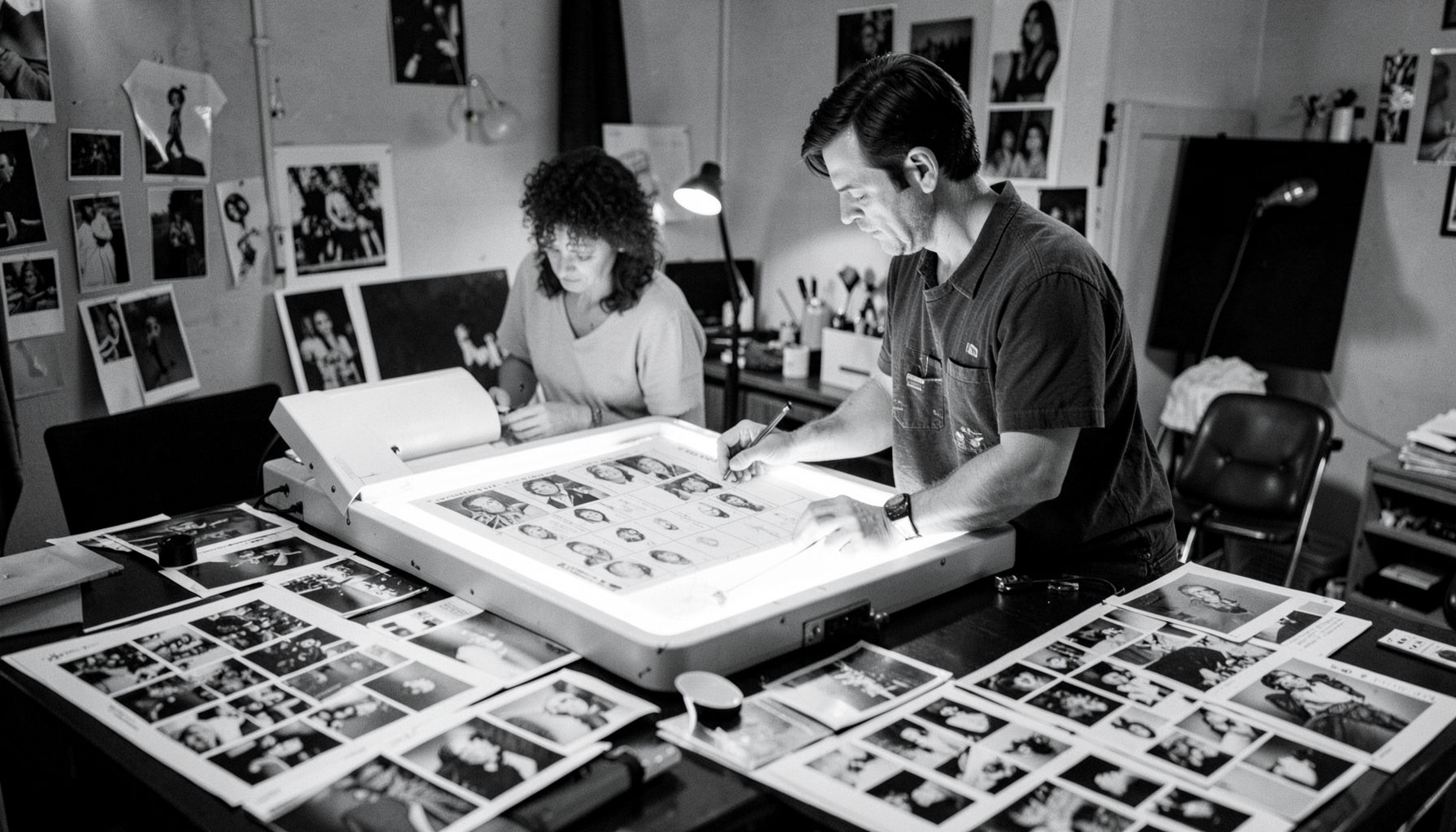
The archive's strength lies in the range of formats it preserves. Alongside negatives and prints sit contact sheets, colour transparencies, 16mm news film, audio dictation belts, notebooks and printed reproductions. The curator's tour of the collection illustrates how a single artefact opens into a larger network of evidence: a transparency pinned to a location, a reel linked to a script, a caption naming a person who no longer appears anywhere else in the record.
Metadata does that work. The catalogue entries for the 1977 material carry dates, place names, names of participants and technical descriptions that are the difference between a usable record and a mystery. A frame showing two men shaking hands on a Jerusalem street is unreadable without the date and the identification; with them, it becomes evidence for a specific afternoon, and part of a sequence that can be cross-checked against press files and other archives.
The Personal Record Beside the Professional One
Archival footage has an official voice, and Shagrir's own papers complicate it. His diary entries on filming during the Lebanon War document the unglamorous arithmetic of documentary work — permissions, transport, fatigue, censorship requests — alongside sharper reflections on what it means to film people in danger.
The same pairing is available for 1977, and the method carries over: read the diary against the reel, and gaps appear between what the camera recorded and what the notebook says was happening beyond the frame. These are working documents rather than retrospectives, which makes them unusually valuable. They also show how a shoot was actually managed, with decisions made in the moment that later shaped the official account.
Provenance and the Reuse of Archival Images
Images outlive their archives. Decades on, spectacular material from the period circulates in tourism and corporate marketing, where the original context is stripped away. Resorts trade on borrowed imagery of place and history, and a Maldives hospitality portal such as Kif Li Mal is a reminder that the same visual economy that supplied newspapers in 1977 now supplies campaigns worldwide, often without a credit line that would let a viewer trace the frame to its maker.
That is the risk provenance exists to manage. A still of Begin and Sadat can be re-captioned as something else entirely, or reproduced as an illustration of an event it never recorded. The Shagrir Collection's function here is not just to preserve images but to hold the identifying information that keeps them honest — dates, names, sequences, rights status — and to make that information accessible to anyone who encounters the picture downstream.
Australian Audiences, Legislation and the Local Market
Australian institutions have a genuine stake in this material. The National Film and Sound Archive in Canberra operates as a statutory deposit body under the National Film and Sound Archive Act 2008, and Australian audiovisual researchers work through Trove, the National Library's digitised holdings, and public broadcaster archives at the ABC and SBS. Festival programming — Sydney, Melbourne, Adelaide, and the specialist documentary circuits that run between them — provides a natural home for restored Shagrir work, provided rights are settled.
Legislation shapes what can be shown and how. The Copyright Act 1968 offers narrow exceptions, so classroom use and commercial licensing generally require permission from rights holders. Military and security material may attract classification constraints under Commonwealth guidelines and state classification instruments such as New South Wales's Classification Act 1995, and archival access may involve the National Archives of Australia Act 1987. Market realities are modest and honest: audiences are small but attentive, fees are quoted in Australian dollars, and viewing habits favour catch-up streaming and festival sessions over an afternoon in a reading room.
Priorities for the Collection's Next Decade
The 1977 holdings are a strong platform, and the work ahead is about access, description and reuse rather than acquisition. These priorities would extend the material's reach without overstating what the archive can prove.
- Digitise the Jerusalem motorcade and negotiation reels, publishing a captioned, timecoded stream alongside the catalogue so the sequence can be viewed without handling originals.
- Commission a rights and provenance audit of the Sadat-visit material before licensing it to festivals, broadcasters and classroom programmes.
- Build a metadata crosswalk with Australian partners such as the National Film and Sound Archive and Trove, so 1977 items surface in Australian search systems rather than only on the collection's own site.
- Commission translations and abstracts of the diary and notebook material, which currently limits the papers to readers who can work in Hebrew.
- Screen restored prints at Australian documentary festivals, university film societies and community cinemas, with panel discussions anchored by the collection's own documentation.
- Support volunteer digitisation and educational programmes, and quote reproduction fees in Australian dollars with clear GST and shipping terms for overseas researchers.
The through-line across all of this is the same one Shagrir's own work demonstrates: the record only stays alive if someone keeps describing it, contextualising it and putting it in front of people who were not there.