
Shagrir's Raw Footage of the 1967 Six-Day War
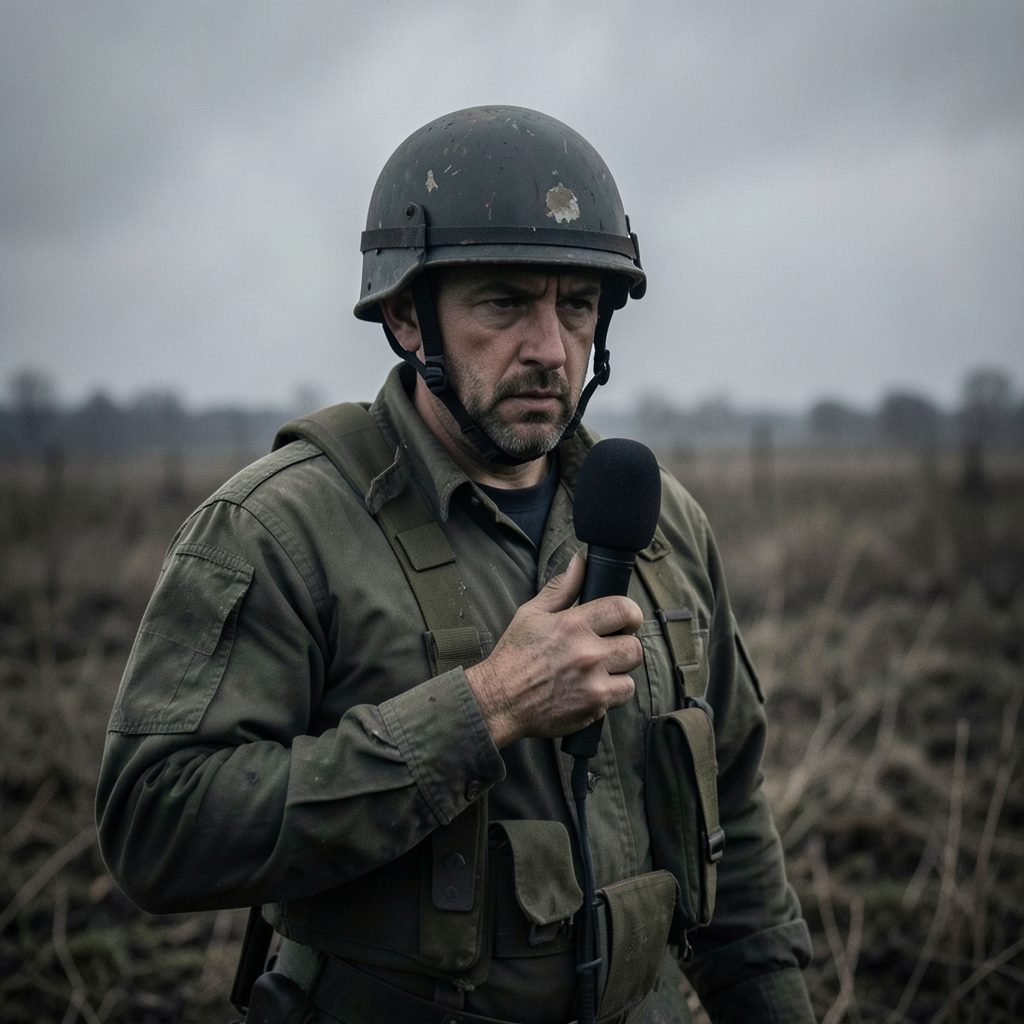
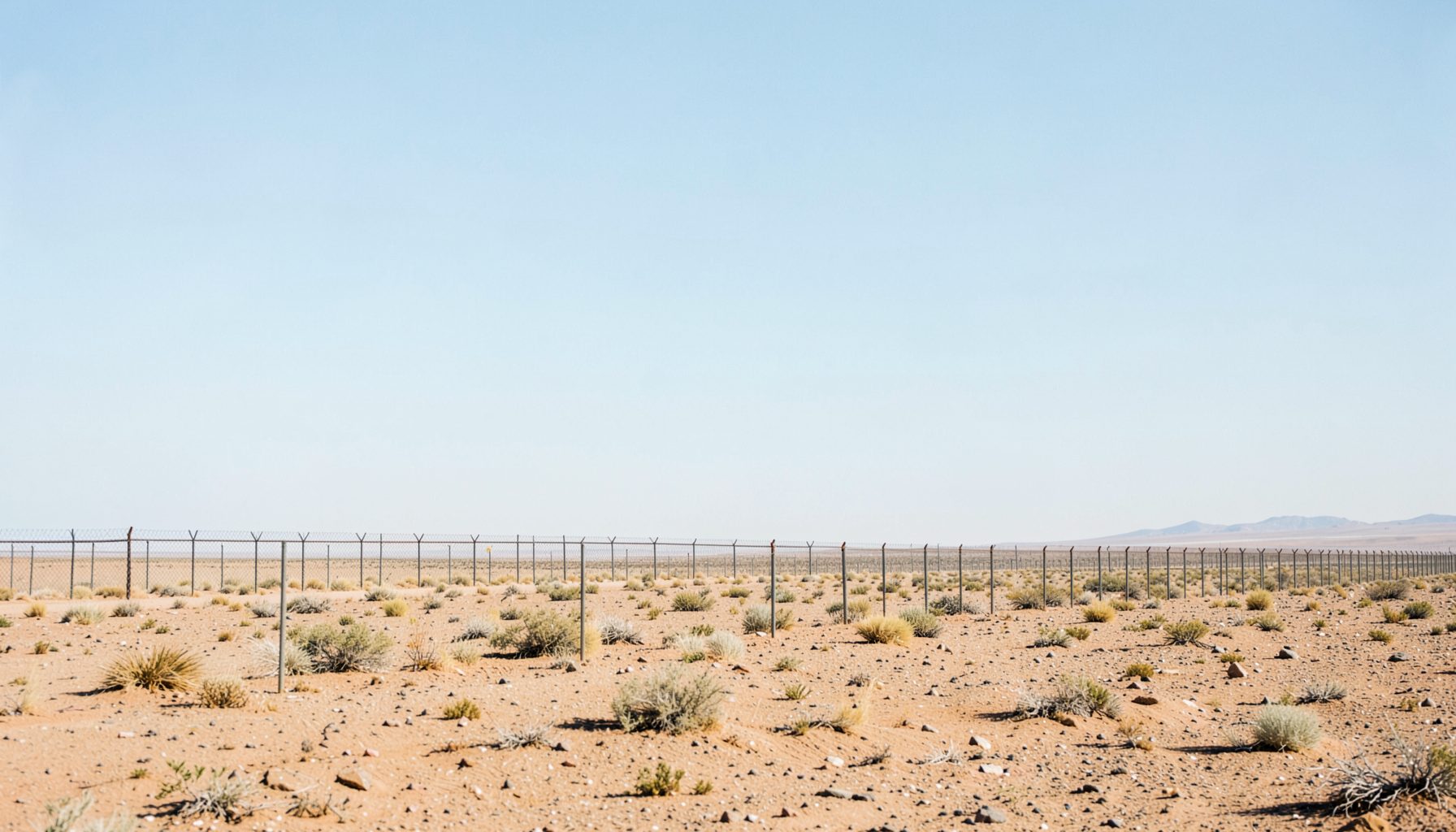
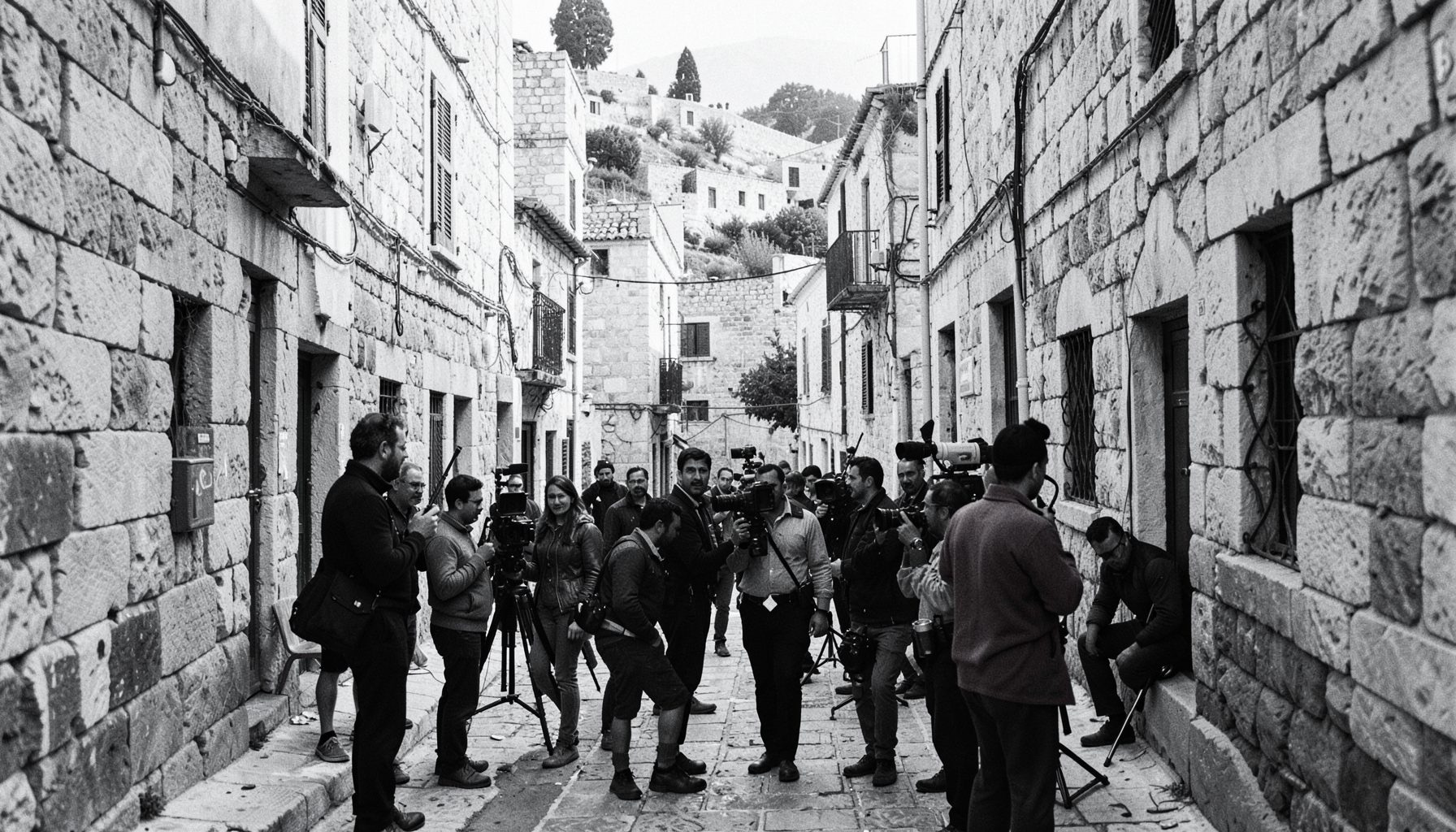
Micha Shagrir did not wait for the Six-Day War to end before filming it. Working as a cameraman, journalist and producer for Israeli newsreel companies and broadcasters, he shot the Sinai, the Golan Heights, Gaza and East Jerusalem while the fighting was close, filming armoured columns, evacuating families, ruined villages and the first hours of the ceasefire. The Shagrir Collection holds the negatives, prints, notebooks and recordings that followed, and it is the raw reels, unpolished by broadcast narration, that make the archive unusually direct.
Raw footage means material shot to a news deadline rather than to a later story: takes made in dust, heat or darkness while nobody could yet say how events would be judged. It carries a different texture from commissioned documentary, with missed beginnings, abrupt pans, exposure guesses and the sound of the operator breathing on the soundtrack. Read beside published reports and interview tapes, such images let a researcher reconstruct events as they were experienced, not simply as they were later explained.
Australian readers meet war film through a similar habit of keeping primary sources. Canberra's National Film and Sound Archive and the Australian War Memorial preserve decades of imperfect reels, and the nightly bulletin and the daily newspapers taught this audience to read pictures as evidence. Shagrir's negatives document a film culture in which the camera had to deliver proof within hours, and an archive that treats conservation, exhibitions and teaching as public work.
What the negatives reveal about June 1967
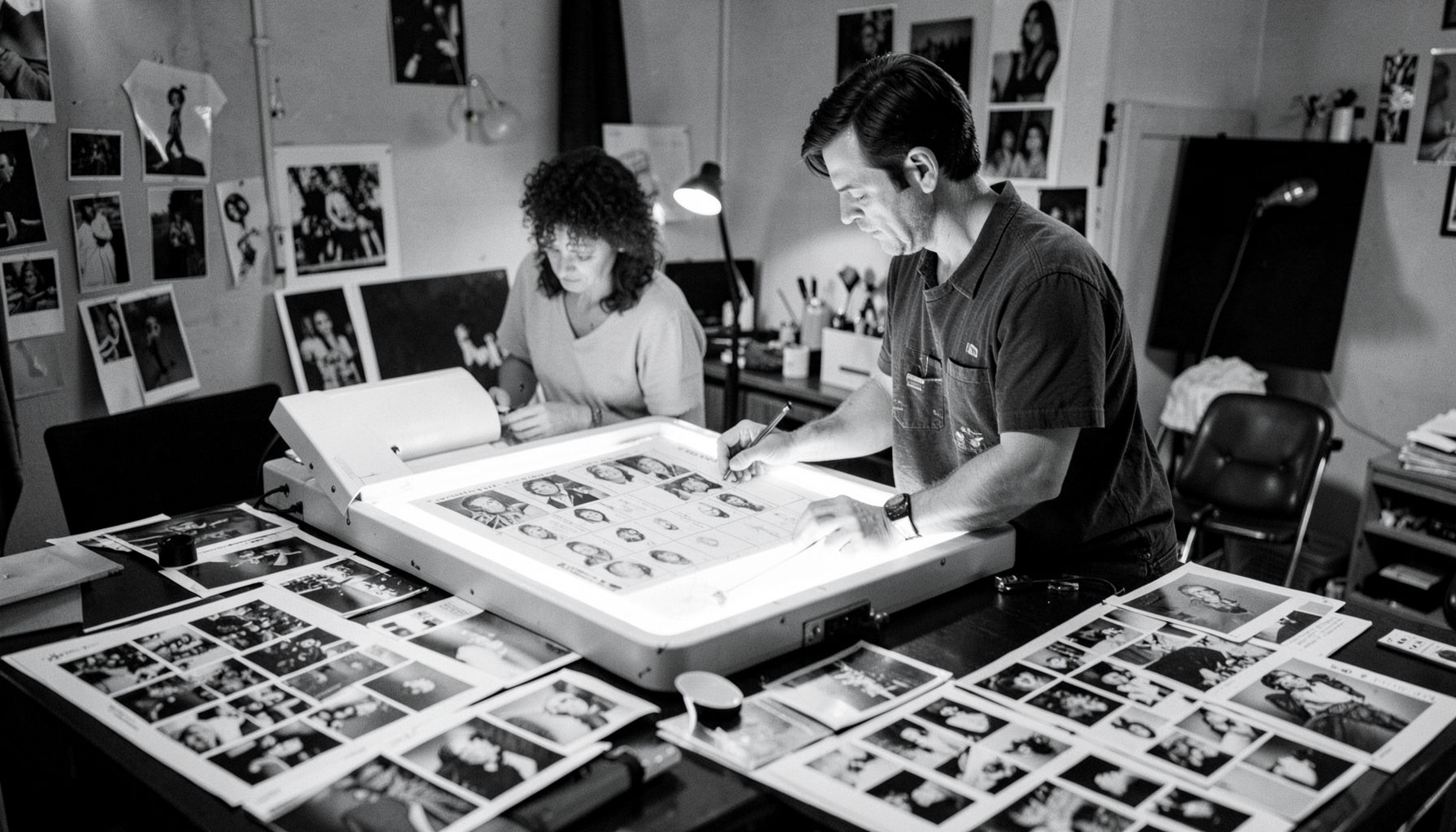
The 1967 holdings fall into recognisable groups: exposed negatives awaiting a first print, contact sheets and proof prints, actuality cut for transmission, and notebooks and tapes that recorded what the lens missed. Together they let a researcher follow one assignment across formats, from the exposed frame to the transmitted image, and see the decisions that shaped what audiences actually watched. Edge markings, laboratory timecodes and the grain of the original stock all carry information about camera, speed and processing that a finished broadcast discards.
The same working habits are visible in his later projects:
| Project | Period | Subject | Principal formats held | What it preserves |
|---|---|---|---|---|
| Six-Day War field coverage | 1967 | Combat, evacuation and displacement across the Sinai, Golan, Gaza and East Jerusalem | Exposed and unexposed negatives, proof prints, edited actuality, field notebooks | Contemporaneous evidence of events, kept with provenance |
| Israeli Air Force documentary | 1960s–70s | Aircraft, aircrew and the industrial base behind the service | Production notes, scripts, cut masters and related papers | The planning and logistics behind a commissioned film |
| Veteran interviews | Later decades | Fighters of the 1948 war | Magnetic tape, transcripts and still photographs | Memory captured on audio decades after the events |
| Kiflimally | 1980s | Moroccan migrant workers in Israeli cities | Negative, edited cut and project papers | Social documentary built from ordinary domestic and labour scenes |
Read across the rows and a pattern appears. Shagrir moved between subjects without changing method: point the camera at an institution, then find the people inside it who carry the story. The veterans are interviewed rather than filmed in action, the air force documentary turns machinery into a human subject, and the migrant workers are filmed at close range in ordinary streets.
Shooting under fire: stock, censorship and deadlines
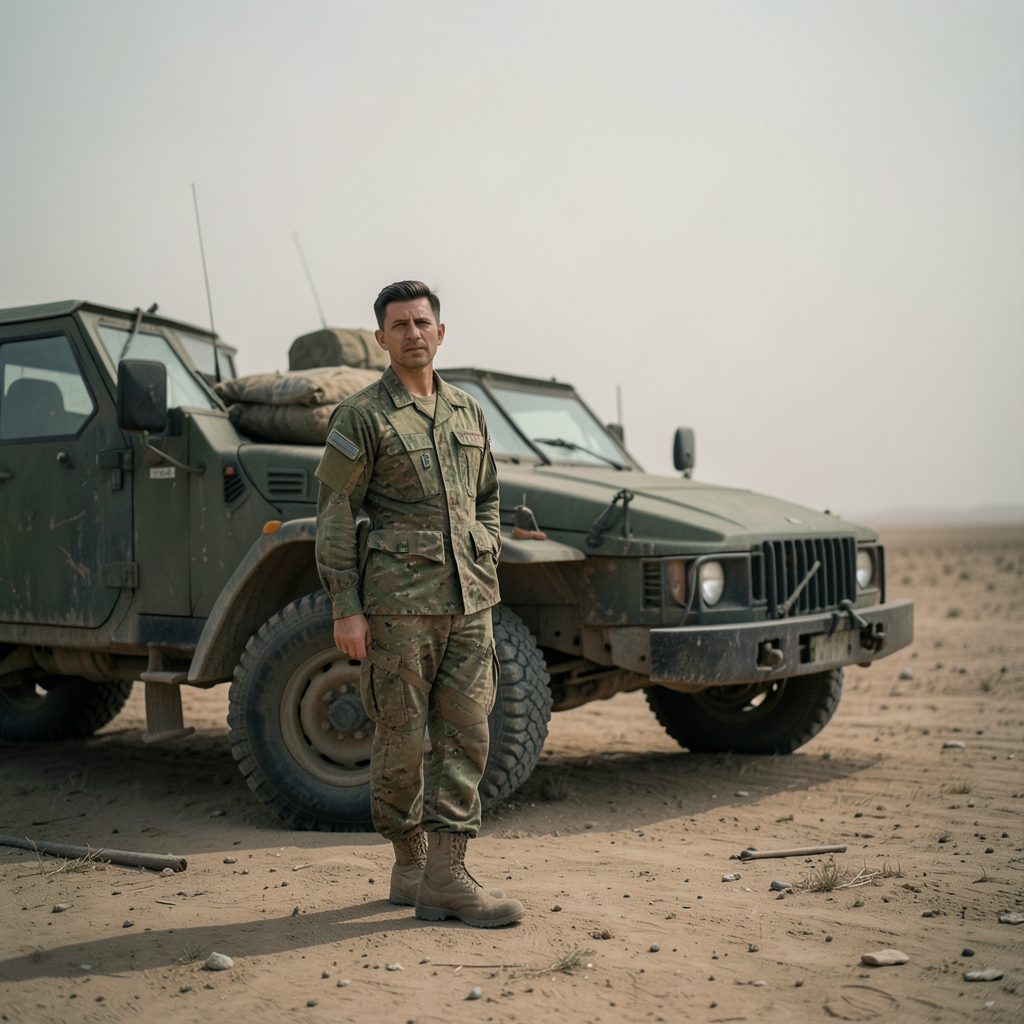
Conditions in June 1967 shaped what could be photographed. Stock was finite, daylight was fierce, and the Sinai and the Golan demanded long lenses and fast decisions; many sequences are single takes made while the operator moved through checkpoints, rubble and refugee columns. His habits of working on commissioned military productions show in how he approached the air force documentary later in his career: the air force production notes reveal a producer weighing aircraft movements, sound, clearance and the length of a usable take, with a full schedule instead of a deadline.
Censorship and command priorities also left their mark. Material could be shot and never transmitted, and the gap between the exposed negative and the broadcast copy is often the clearest record of that filtering. Reels that begin with soldiers loading a truck and stop mid-sequence raise questions about who halted the camera and why; other frames show civilians taking shelter while the lens stays outside. For Australian viewers used to classified and unclassified markings on military holdings, that difference in tone is instantly legible, and it sits uncomfortably beside the smooth versions.
Law also shapes what can now be seen and shown. Australian classification under the federal Classification Act 1995 restricts screen material depicting violence, commonly rated R 18+, and institutions applying the law to archival footage must decide what an audience is entitled to witness. Here the equivalents are consent, attribution and the rights of people filmed without ever agreeing to appear. A Sydney producer licensing historical material for a documentary, or a Melbourne researcher preparing a broadcast, meets those questions on arrival rather than after the edit.
The human material: veterans, refugees and the 1948 generation
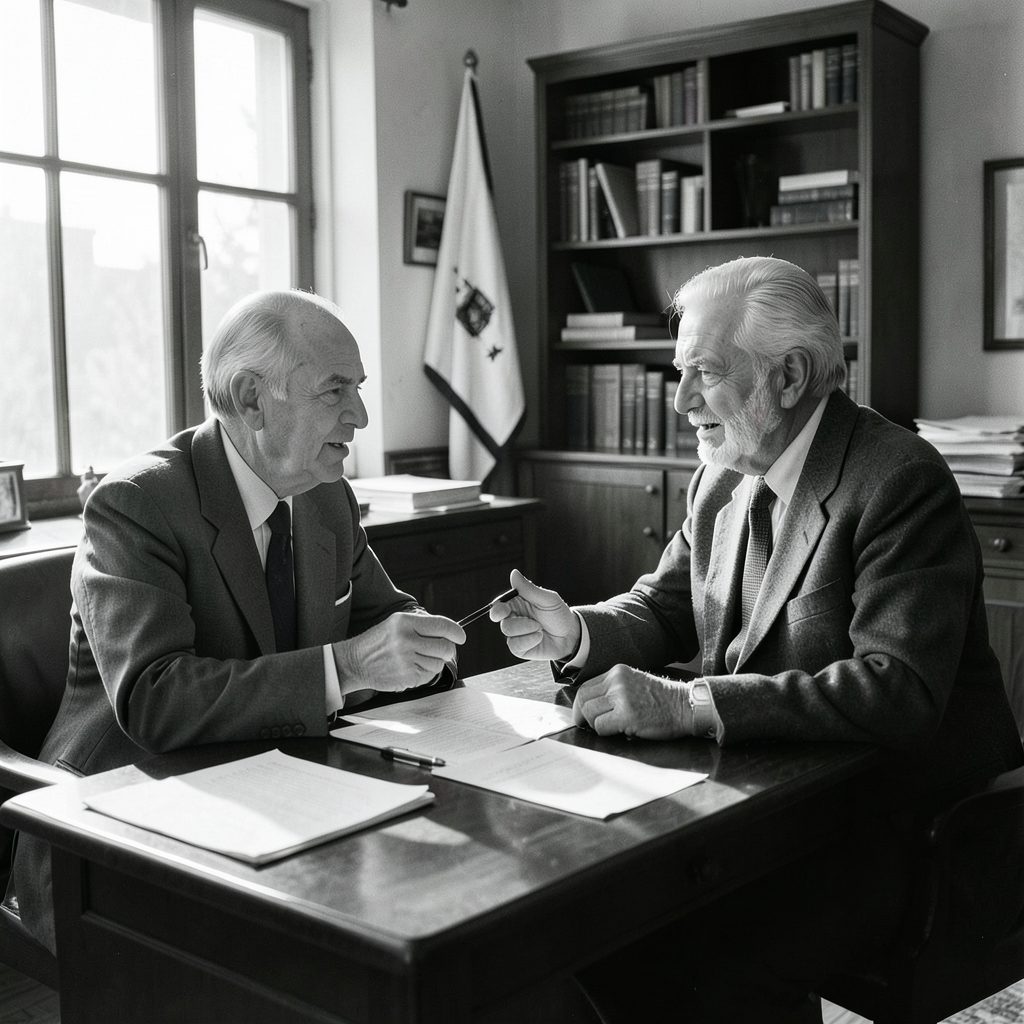
Footage of battles explains little about the people who survived them, which is why Shagrir's interview work matters as much as his exposed reels. In Shagrir's 1948 veteran interviews he sits with fighters of the first war and lets them narrate events in their own order, with the hesitations, corrections and dates that polished narration erases. Recorded on tape and transcribed, those conversations hold a version of the past that sits between eyewitness account and public history, close to the oral history traditions Australia's sound collections also depend on.
The 1967 material gains depth beside them. A sequence of retreating troops is one thing; the testimony of a veteran explaining why a unit moved or stayed is another. Cross-referencing the two lets a researcher ask whether a camera angle matches a remembered route, whether the civilians visible in frame were the families described years later, and where the official account of a battle diverges from the lived one.
Refugees and displaced families occupy the margins of many 1967 sequences, and that marginality is itself a record. Shagrir's lens returned to them more often than official briefings did, and those images rank among the collection's most affecting holdings. Australian audiences, who grew up with photographs of the 1948 generation arriving by ship and with later campaigns in Korea and Vietnam, will recognise a young country learning how conflict reshapes its own streets.
Night, grain and the texture of memory
Many of the most striking sequences were shot at night or in failing light, when the camera becomes as much a witness to the dark as to the event. Street lamps, flares, headlights and burning buildings supply the only illumination, and the grain, blur and flicker that result are not stylistic choices but the physics of the period's stock. The negatives preserve that texture in a way any transfer to tape or digital file will smooth over, which is one reason the archive's conservation work matters.
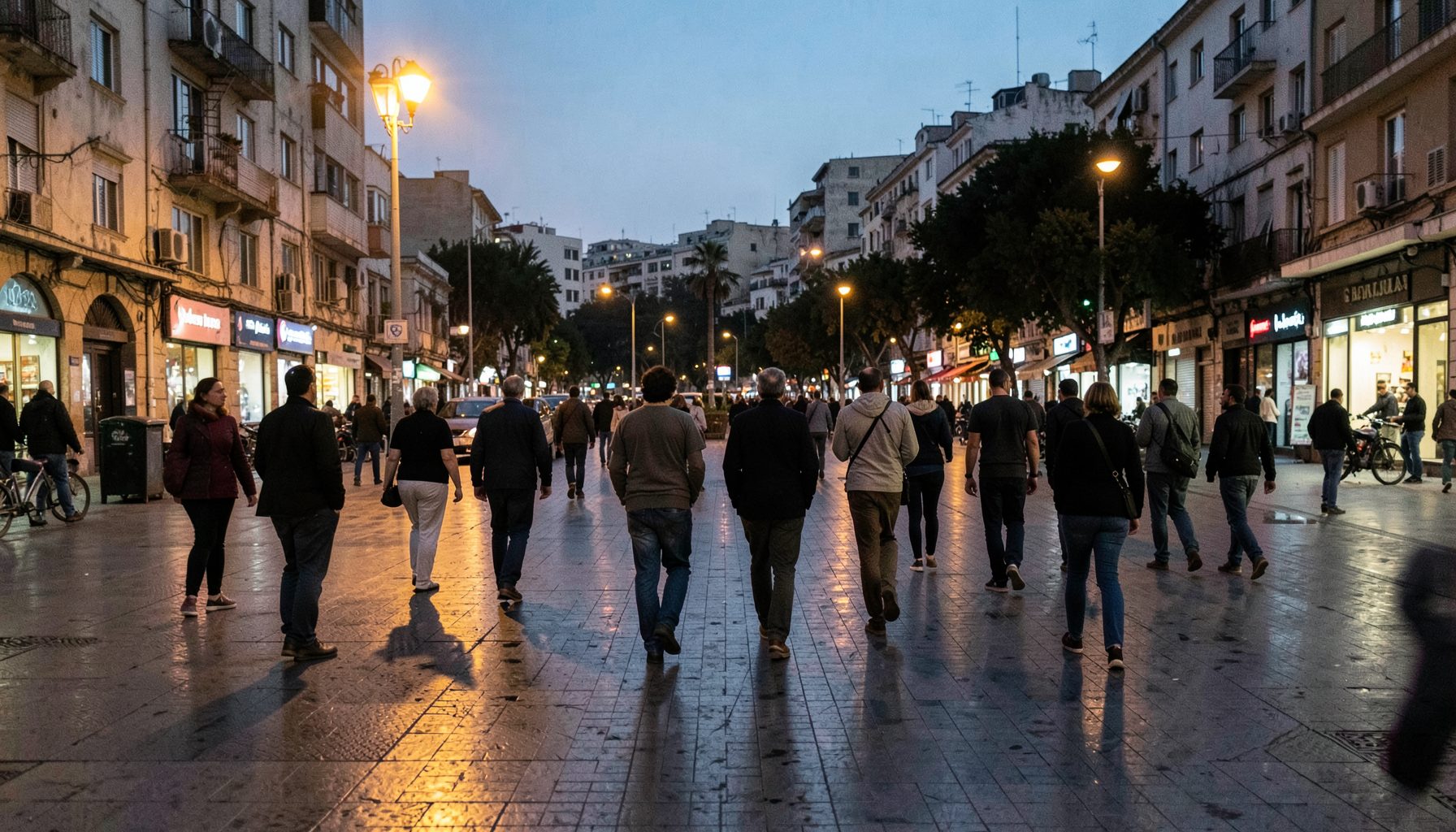
How such images should look, and what they ask of a viewer, has occupied documentary makers ever since. A Guide to Night follows Israeli teenagers through an evening in the occupied territories, and setting it beside the 1967 reels is instructive: both record darkness and occupation from the ground, though one was made decades later with different tools. The comparison shows how much a night's meaning depends on what surrounds the frame, who is speaking and where the camera is standing.
Night work also determined the physical survival of the material. Reels handled in the field and stored in damp conditions arrive with fogging, shrinkage and vinegar syndrome that can destroy an image if untreated. A controlled darkroom in Melbourne or Canberra holds steady humidity more easily than any field kit could, but the same chemistry applies to a reel carried out of the Sinai in 1967 and to one found in a box in Tel Aviv decades later. Conservation is a form of translation, and best described as one.
Preserving, digitising and sharing the raw footage
The collection's value depends on what happens next: cold storage, cleaning and scanning, accurate cataloguing, and rights research that credits the photographer and the people who appear in frame. Shagrir's working habits are part of that story. The Kiflimally project followed Moroccan migrant workers in Israeli cities over years, building a portrait of a community through domestic and labour scenes, and its production file shows archival patience applied to people official film units rarely documented with this attention.
Digitisation has widened access. Scanned sequences can be consulted in Canberra, Melbourne or Perth without an international flight, and universities, broadcasters and community archives can build collections around them. Australia's market for historical footage has grown with the production boom around Sydney, where commissioning editors routinely license archival material for documentaries, factual series and drama.
Practical steps for researchers, libraries and producers
- Start with the catalogue and contact sheets, then request the highest-resolution scans of the negatives before commissioning broadcast copies.
- Record reel, stock type and edge markings, and keep a working link between each uncut sequence and the version transmitted.
- Transcribe interview tapes beside filmed material, preserving pauses and disputed dates instead of smoothing them into official chronology.
- Trace consent and attribution for identifiable people, and flag sequences likely to trigger R 18+ classification before broadcast.
- Compare the raw reels with Shagrir's finished documentaries to track how his framing changed across four decades.
- Credit the Shagrir Collection in publications and broadcasts, since visibility and support fund further digitisation.
None of this settles the argument about the war; it makes the evidence inspectable. Reels exposed in June 1967, printed on the way to a Tel Aviv laboratory and transmitted within days can now be examined frame by frame, beside veterans describing the same country a generation earlier and production files from films made later. That continuity between negative, testimony and document is what the collection preserves, and it is open to Australian researchers, students and casual viewers through its online holdings, exhibitions and educational programs.