Memory, Testimony And The 1948 War
Shagrir’s interviews with Israeli veterans of the 1948 War offer a direct encounter with people who lived through the formation of the State of Israel. Their accounts sit between personal memory and public history, revealing how soldiers remembered battle, displacement, fear, duty and the uncertain transition from wartime mobilisation to civilian life.
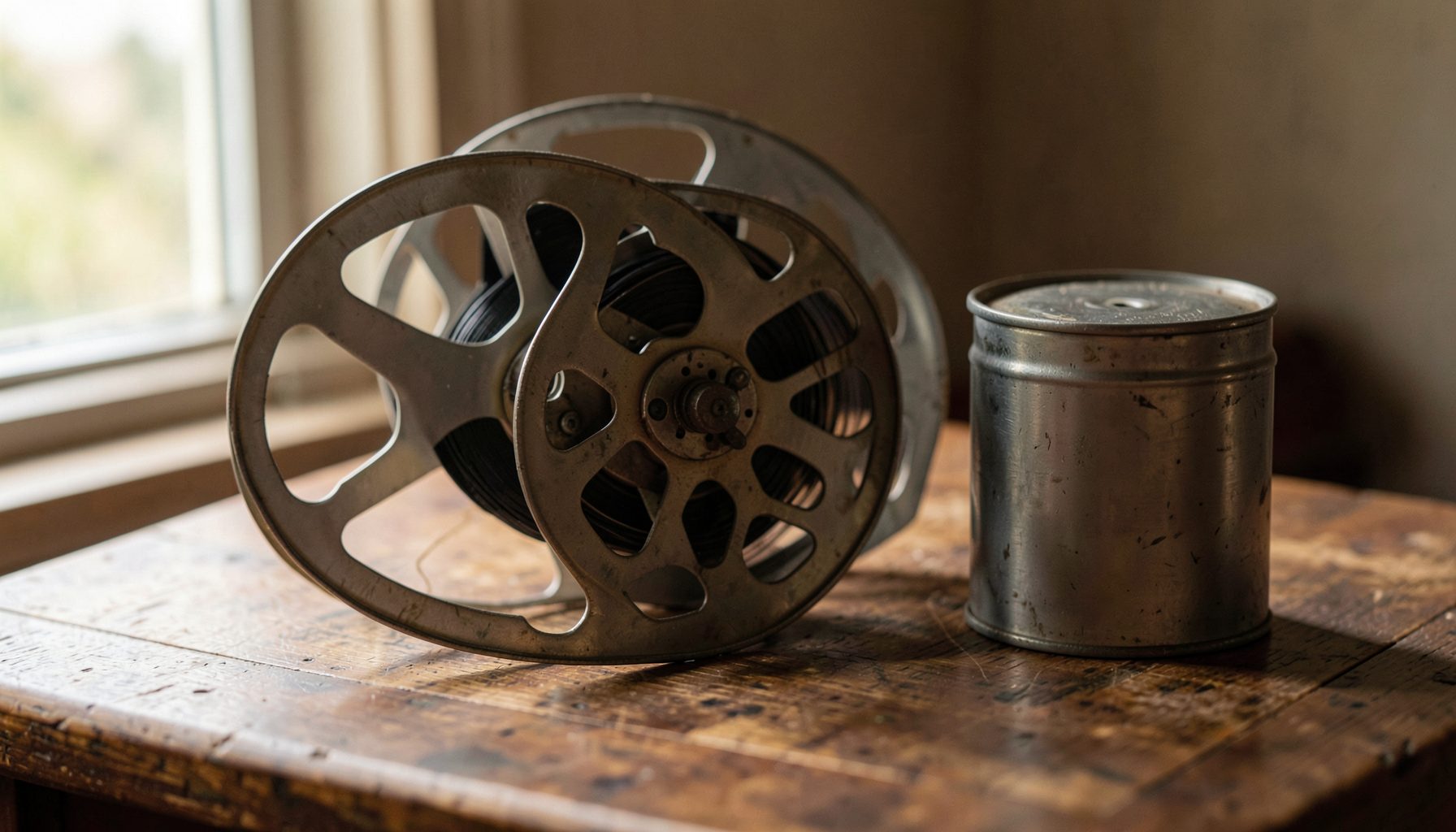
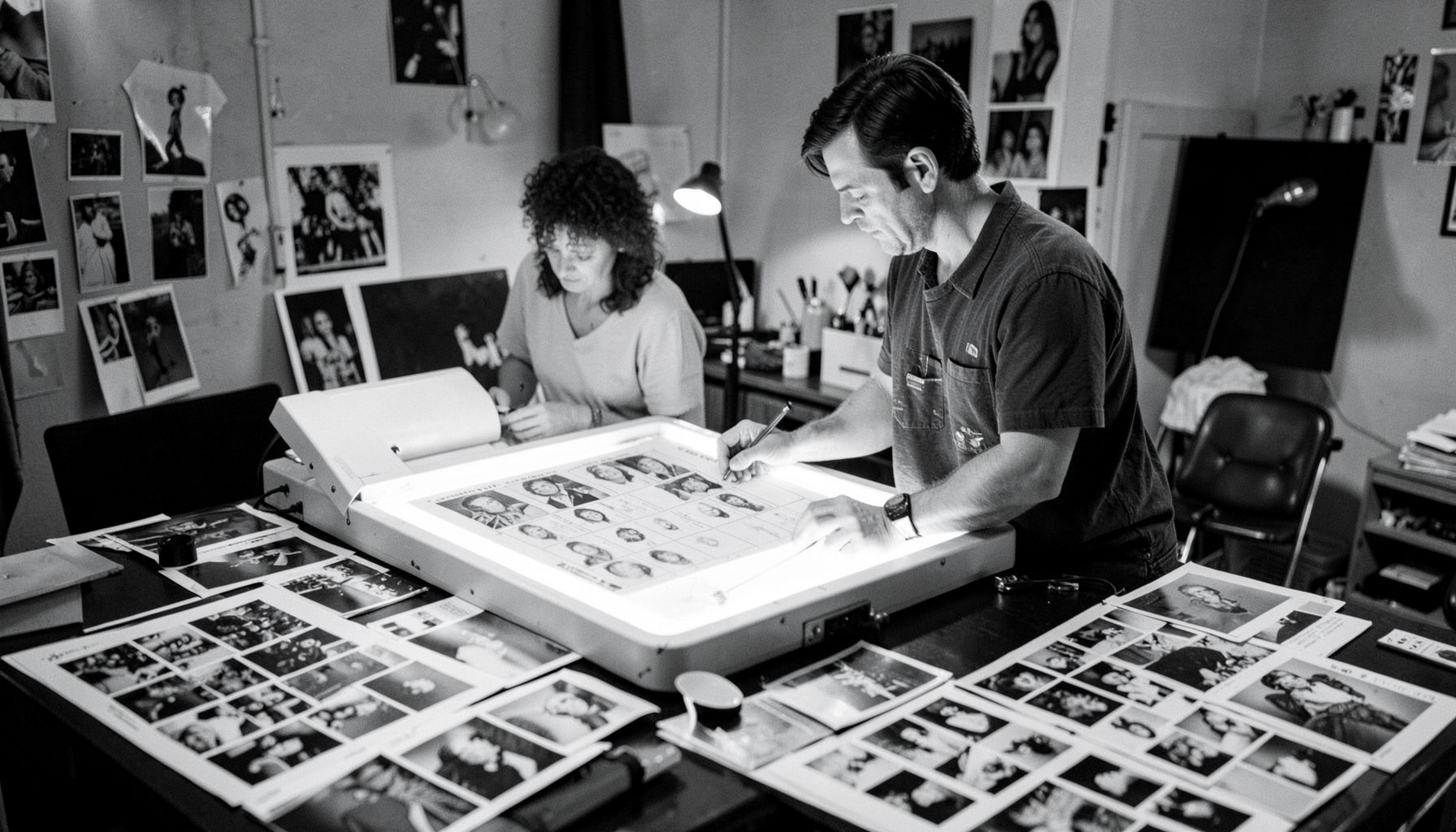
The interviews gain depth when read alongside Micha Shagrir’s films, photographs, papers and production records. The Shagrir Collection preserves these materials as an interconnected archive, allowing researchers to compare spoken testimony with visual evidence, official records and the texture of everyday life.
A Record Built From Voices
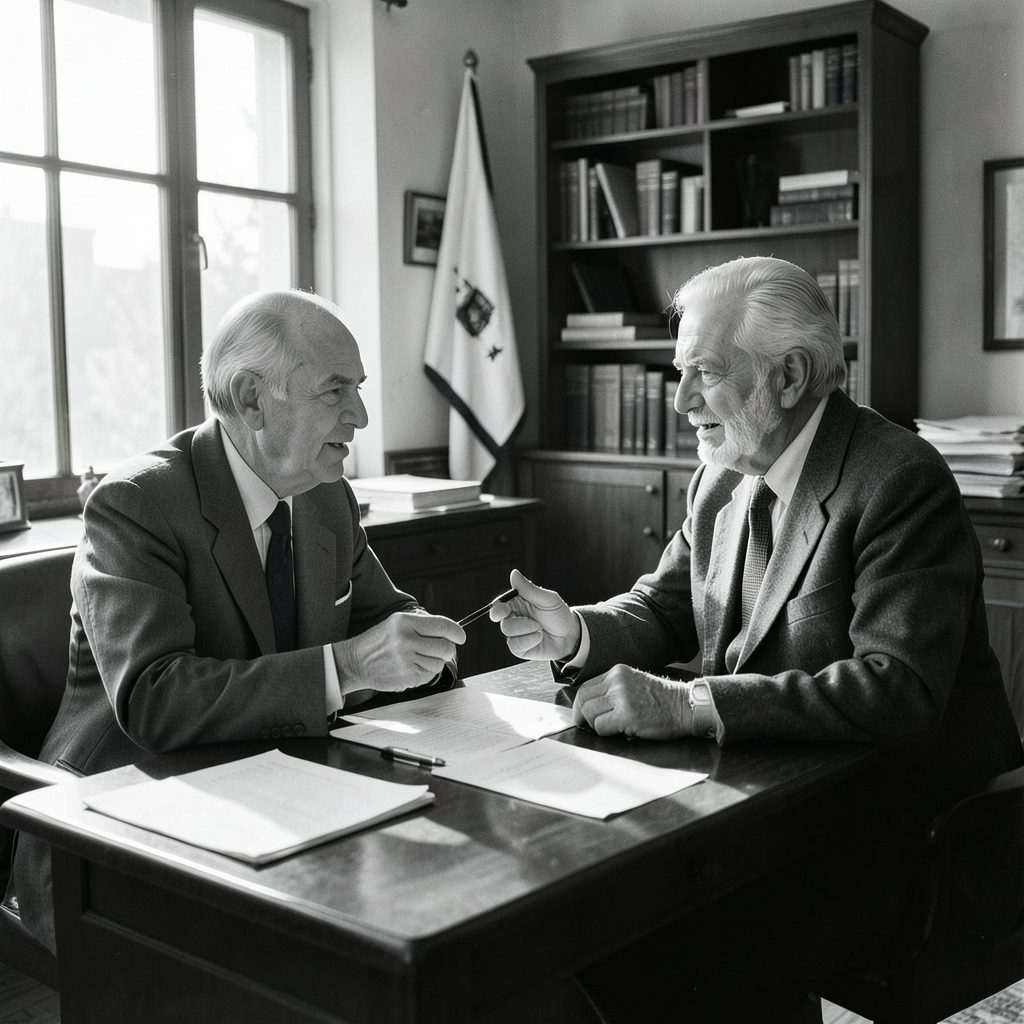
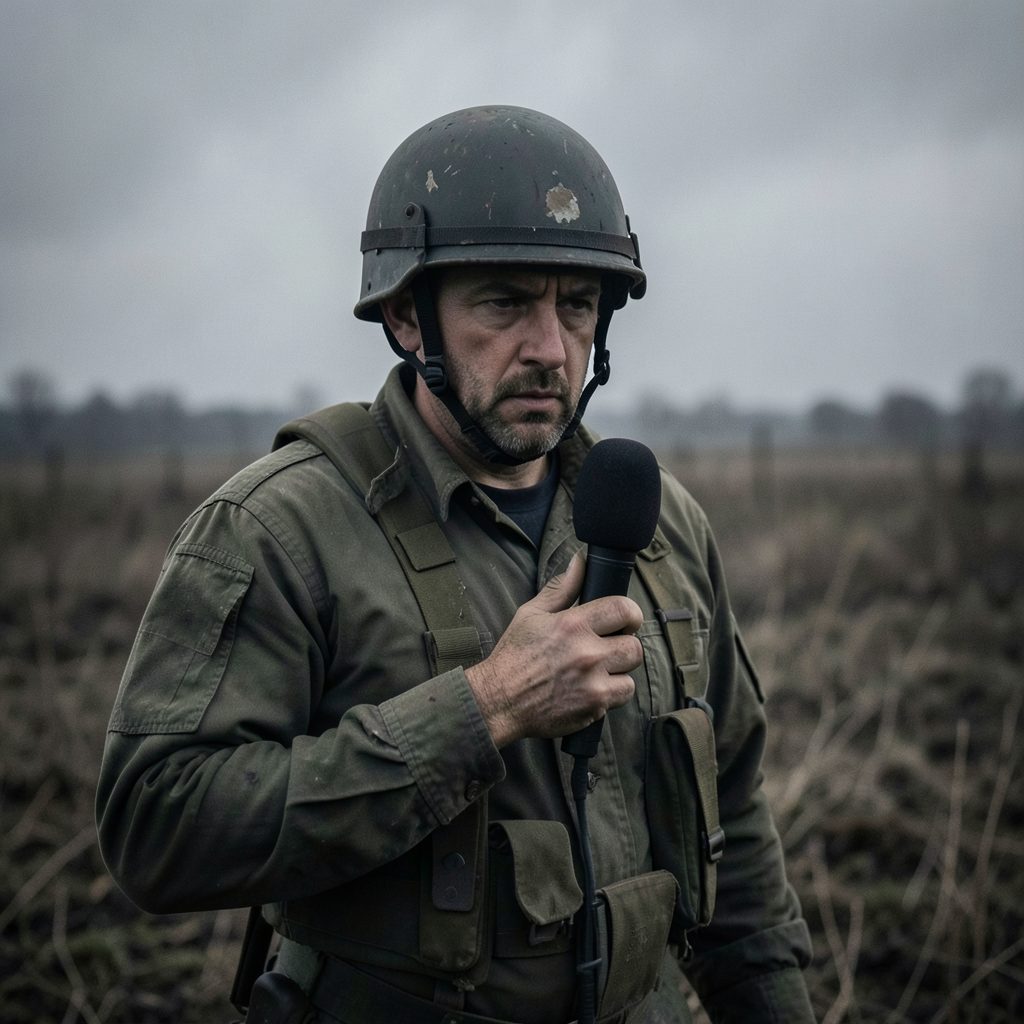
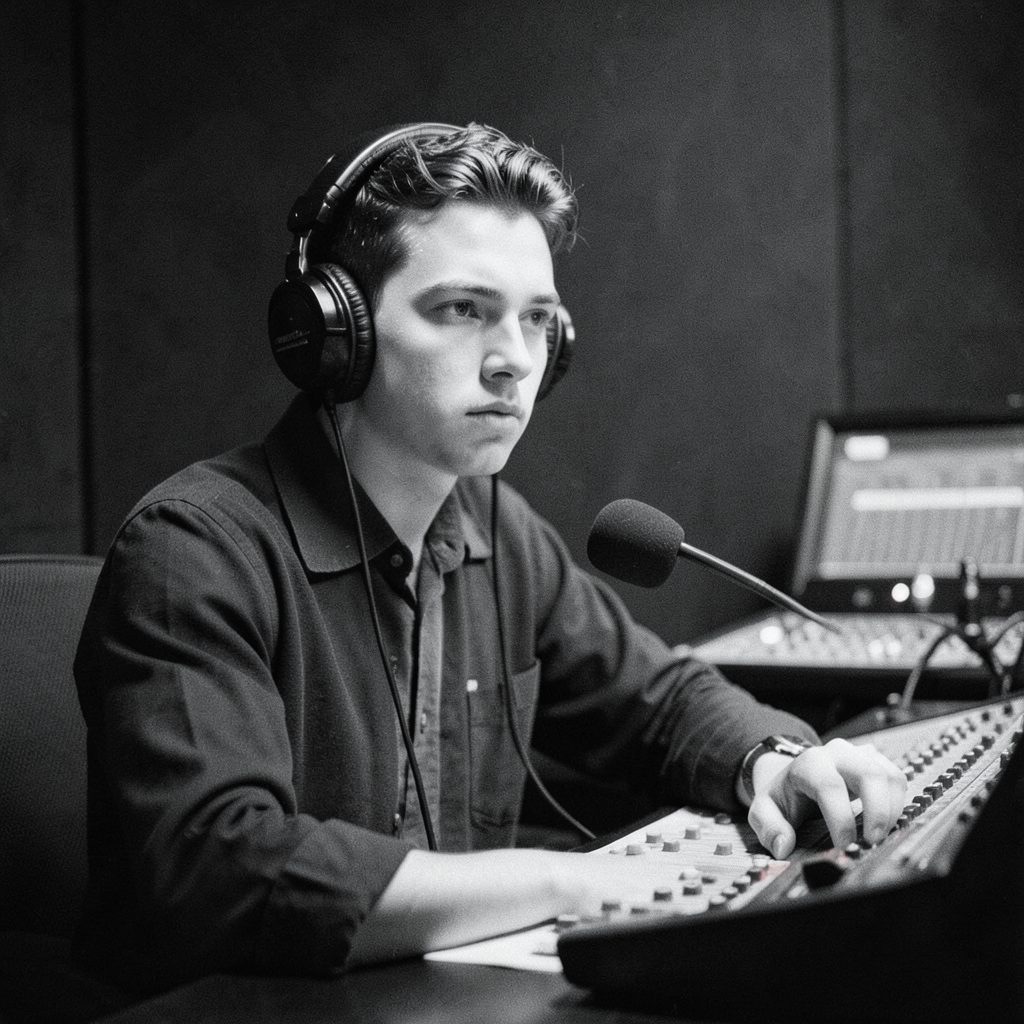
An oral history interview is shaped by the meeting between interviewer and witness. Shagrir’s role as a filmmaker, journalist and producer would have influenced the rhythm of conversation, the choice of subjects and the way recollections were framed for future audiences. His interviews therefore record two histories at once: the veteran’s experience and the period’s changing language about the 1948 War.
Veterans may speak in practical details rather than broad political statements. A recollection of a road, a uniform, a meal, a convoy or a night spent waiting can reveal how military events were experienced at ground level. Pauses, repetitions and shifts in tone may also be significant, especially when a witness moves between an individual memory and the collective vocabulary of national commemoration.
The material is valuable because it retains uncertainty. A veteran may remember the emotional truth of an event while misplacing its date, location or sequence. Such variations do not automatically make testimony unreliable; they show how memory changes over time and how later public narratives can influence personal recollection.
What Veterans Could Recall
The interviews may be read as evidence of battlefield experience, yet they also open windows onto family history, migration, political conviction and social class. A veteran’s decision to enlist, remain at home, join a particular unit or leave military service can connect the war to wider patterns in Jewish communities before and after 1948.
Personal testimony can illuminate experiences that formal military reports often overlook. Veterans might describe shortages, exhaustion, local relationships, fear of retaliation, confusion about orders or the moral weight of encounters with civilians. These details help researchers study the human consequences of war without reducing every account to a simple heroic or tragic storyline.
Memory is also selective. A speaker may emphasise a dramatic incident while barely mentioning months of routine work. Another may remember the atmosphere of a camp more clearly than the names of commanders. Comparing multiple interviews can reveal shared experiences, disagreements and silences without forcing them into a single authorised version.
Listening For History
Shagrir’s interviews should be approached as primary sources that require careful comparison. Dates, place names and military references can be checked against maps, newspapers, unit histories, photographs and archival files. The purpose is not to dismiss a witness when details differ, but to identify what kind of knowledge each source can provide.
Researchers should also distinguish remembered injury from later medical interpretation. When a file refers to neurological symptoms or illness, a general resource on glioblastoma multiforme can help readers understand why modern diagnoses should not be projected backwards onto an imprecise historical account. Medical language belongs to its own evidence base and must be handled with care.
The interviewer’s questions deserve attention as well. A prompt may encourage a chronological answer, invite a moral judgement or steer a witness towards a familiar national narrative. Transcripts, recordings and production notes can show how an interview developed, while the absence of a recording may leave researchers dependent on edited film or written summaries.
Film, Photographs And Paper Trails
The spoken interviews become more powerful when placed beside visual and documentary material. A photograph of a veteran decades after the war may be compared with an earlier portrait, a unit image or a family snapshot. The contrast can raise questions about ageing, self-presentation and the different meanings attached to public and private pictures.
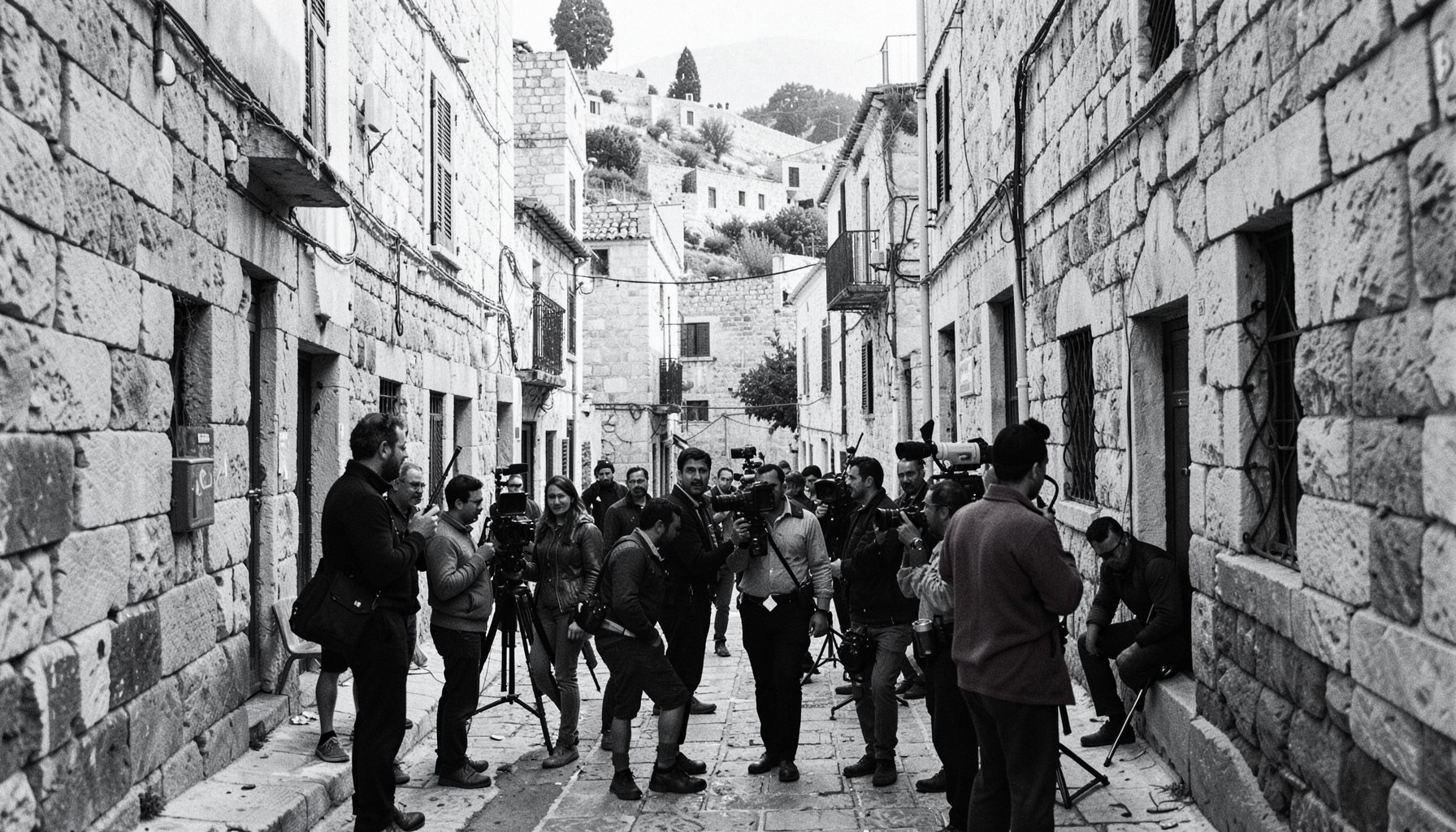
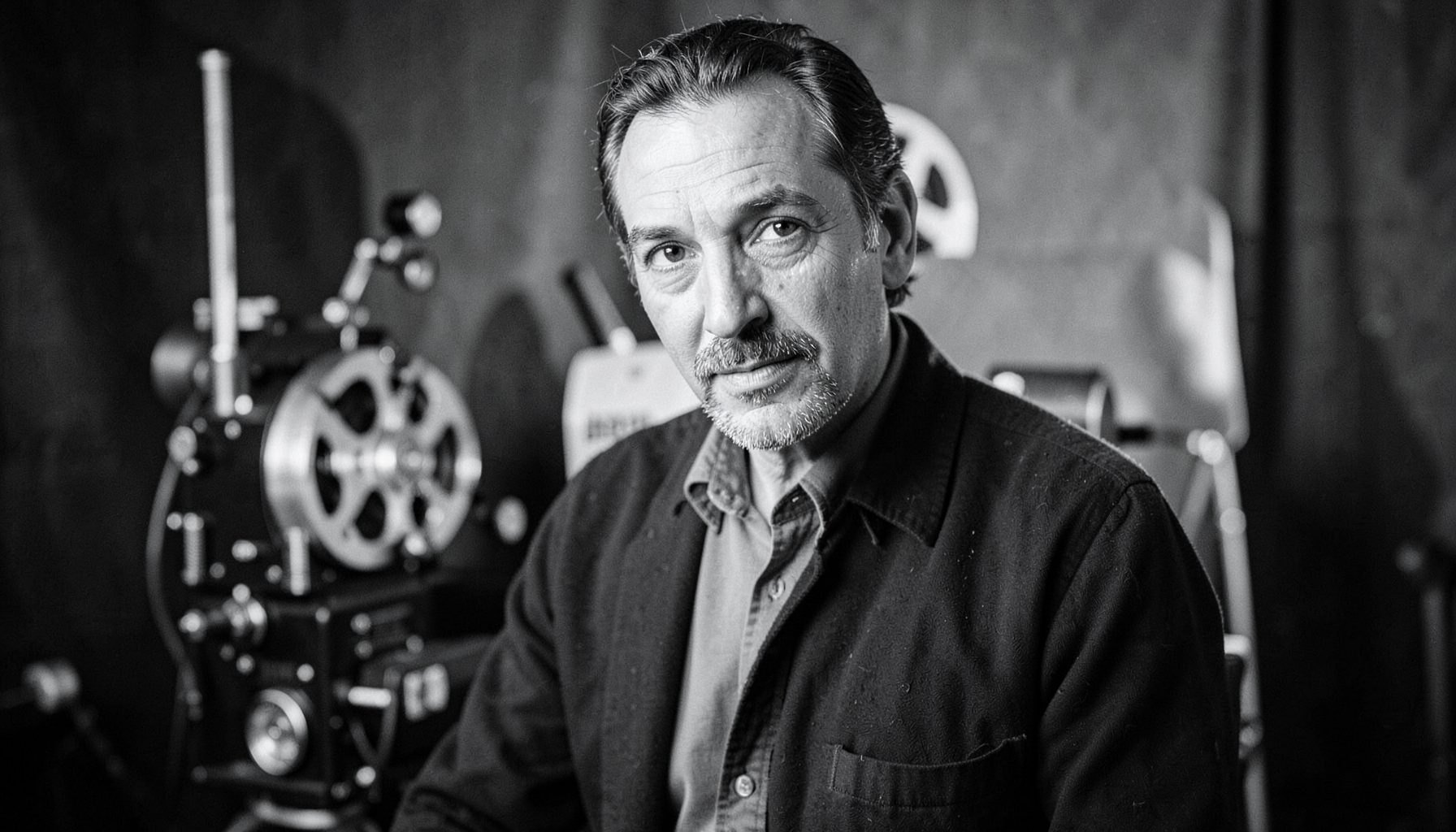
Film carries its own form of testimony. Framing, lighting, edits and the choice to hold on a face can affect how viewers understand a speaker. A calm interview setting may give an impression of stability, even when the account describes violence or dislocation. Researchers should record these production choices rather than treating the camera as a transparent window.
Supporting papers may include correspondence, captions, release forms, research notes and programme material. Together, these records can identify locations, collaborators and intended audiences. They may also show how a personal interview moved into broadcast, cinema, classroom or exhibition contexts.
Reading The Archive In Australia
Australian researchers have familiar points of comparison. The National Film and Sound Archive in Canberra provides a useful model for thinking about audiovisual preservation, while Trove can help locate Australian newspapers, books and community publications that shaped local understandings of Israel and the 1948 War. These resources encourage researchers to connect an overseas archive with Australian media and migration histories.
Anzac Day also affects the way many Australian audiences approach veterans’ testimony. Dawn services, family stories and memorial language can make military sacrifice immediately recognisable, while the Israeli material may resist familiar ideas of a single national experience. A responsible reading keeps the comparison open rather than treating Israeli veterans as equivalents of Australian service personnel.
Universities and cultural organisations in Sydney and Melbourne may find the interviews relevant to Jewish studies, migration history, documentary practice and peace research. For the Australian education market, short clips with clear transcripts, dates and permissions are often more useful than an undifferentiated collection of long recordings.
Useful Australian research pathways include:
- Comparing Israeli veteran testimony with Australian oral history projects held in Canberra
- Searching Trove for local reporting, reviews and community responses
- Considering how Anzac Day language shapes classroom discussion of war memory
- Connecting Sydney and Melbourne Jewish community histories with broader postwar migration
Rights, Context And Responsible Use
Historical footage can circulate widely online, yet access does not always mean permission to reproduce. Researchers, teachers and filmmakers should check copyright, moral rights, donor agreements and restrictions attached to interviews, photographs and unpublished papers. The collection’s copyright guidance is an essential starting point before copying or republishing material.
Attribution should identify the interviewee, interviewer, date, collection and format wherever that information is available. Translations need similar care: a translator may clarify idioms for Australian readers, but a translated transcript should remain distinguishable from the original speech. Subtitles can also flatten hesitation, slang or emotional emphasis.
Anonymity requires particular sensitivity. Some veterans may have spoken for a film audience rather than for unlimited online distribution. Writers discussing sensitive testimony can learn from debates about blogging under a pseudonym, while recognising that a veteran’s wartime identity, a researcher’s privacy and a commentator’s online persona involve different ethical questions.
Before publishing an excerpt, researchers should consider:
- Whether the speaker or rights holder authorised the intended use
- Whether translation preserves meaning, tone and uncertainty
- Whether graphic or traumatic details need contextual warnings
- Whether the excerpt could expose a living person or family to harm
Why These Interviews Still Matter
The veterans’ accounts remain important because they resist the distance created by dates and political summaries. They show how a war entered bodies, families, landscapes and memories. They also reveal how people later explained their actions to themselves, to Shagrir and to audiences who had not been born when the events occurred.
For Australian viewers, the material can broaden conversations about military memory beyond familiar national frameworks. It may speak to descendants of migrants, students studying documentary history, Jewish communities and anyone interested in how new states construct public narratives from private experience. The interviews invite comparison, but they also preserve the distinctiveness of Israeli history.
Their lasting value lies in the relationship between voice and archive. A veteran’s words become more meaningful when accompanied by the photograph, reel, letter or production note that surrounds them. Shagrir’s work preserves that relationship, giving future researchers a chance to hear individuals while examining the historical forces that shaped what they could remember, what they chose to say and what later generations are able to recover.