
Through the lens: Shagrir's unseen Jerusalem contact sheets from 1967
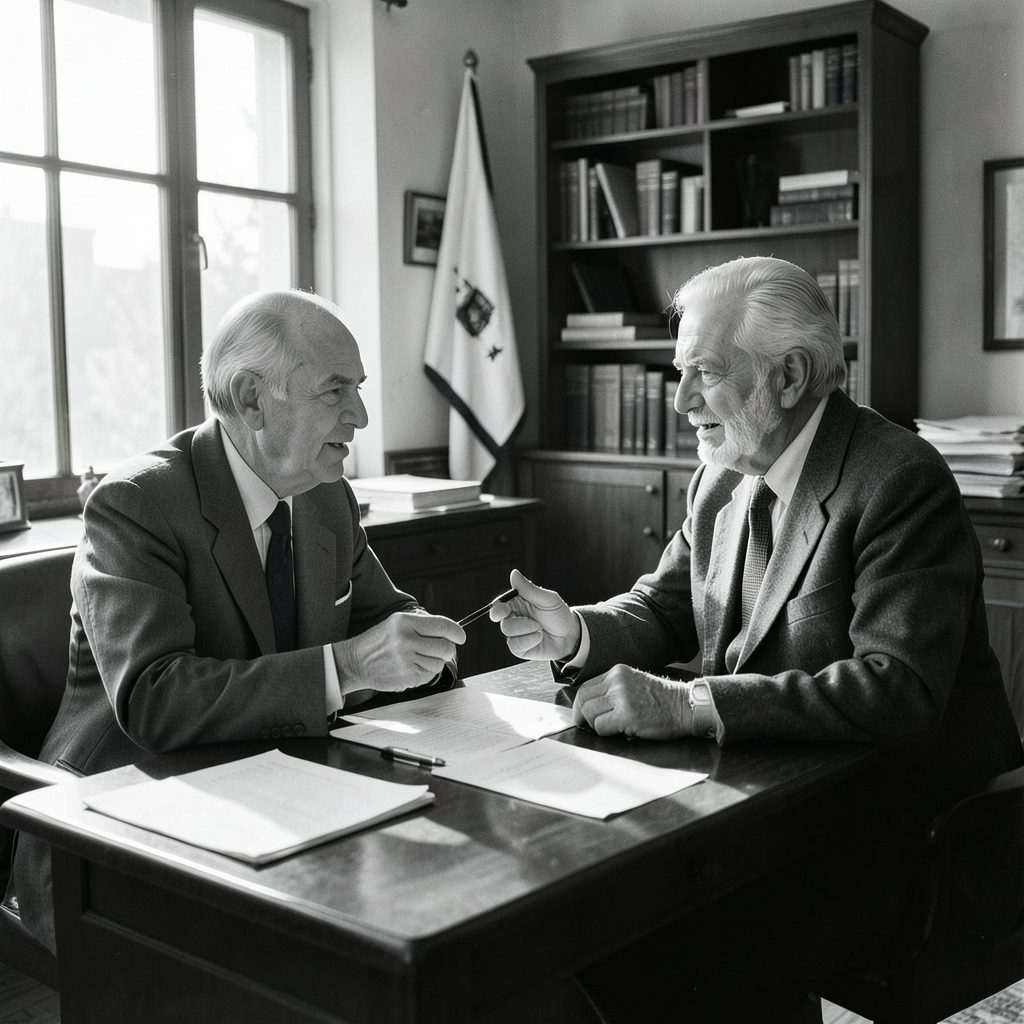
Few archives hold the raw material of history quite like a photographer's contact sheets. For decades, the proof prints and negatives made by Israeli filmmaker and photojournalist Micha Shagrir sat in boxes, carrying images that most of the public has never seen. Among the most compelling are the sheets he shot in Jerusalem during the summer of 1967, in the chaotic, emotional weeks following the Six-Day War. They capture a city caught between devastation and renewal, and a society redefining itself in real time.
The Shagrir Collection now brings these frames out of cold storage. Researchers, students, and curious visitors can examine the grain, the cropping, and the photographer's own editing decisions. For an Australian audience accustomed to engaging with Middle Eastern politics through news bulletins, the collection offers a tactile, primary-source experience that goes beyond the printed page.
A city reimagined, frame by frame
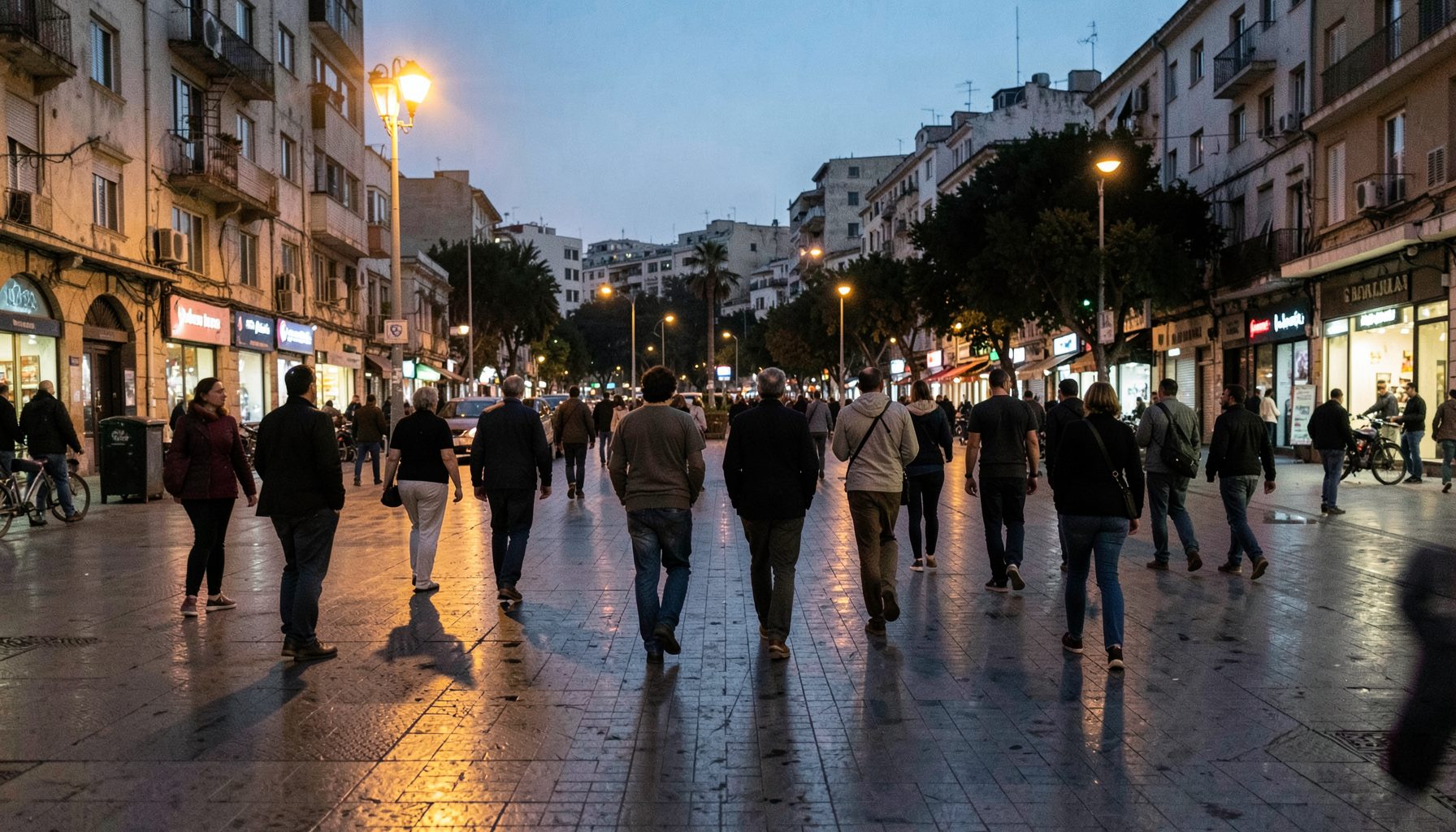
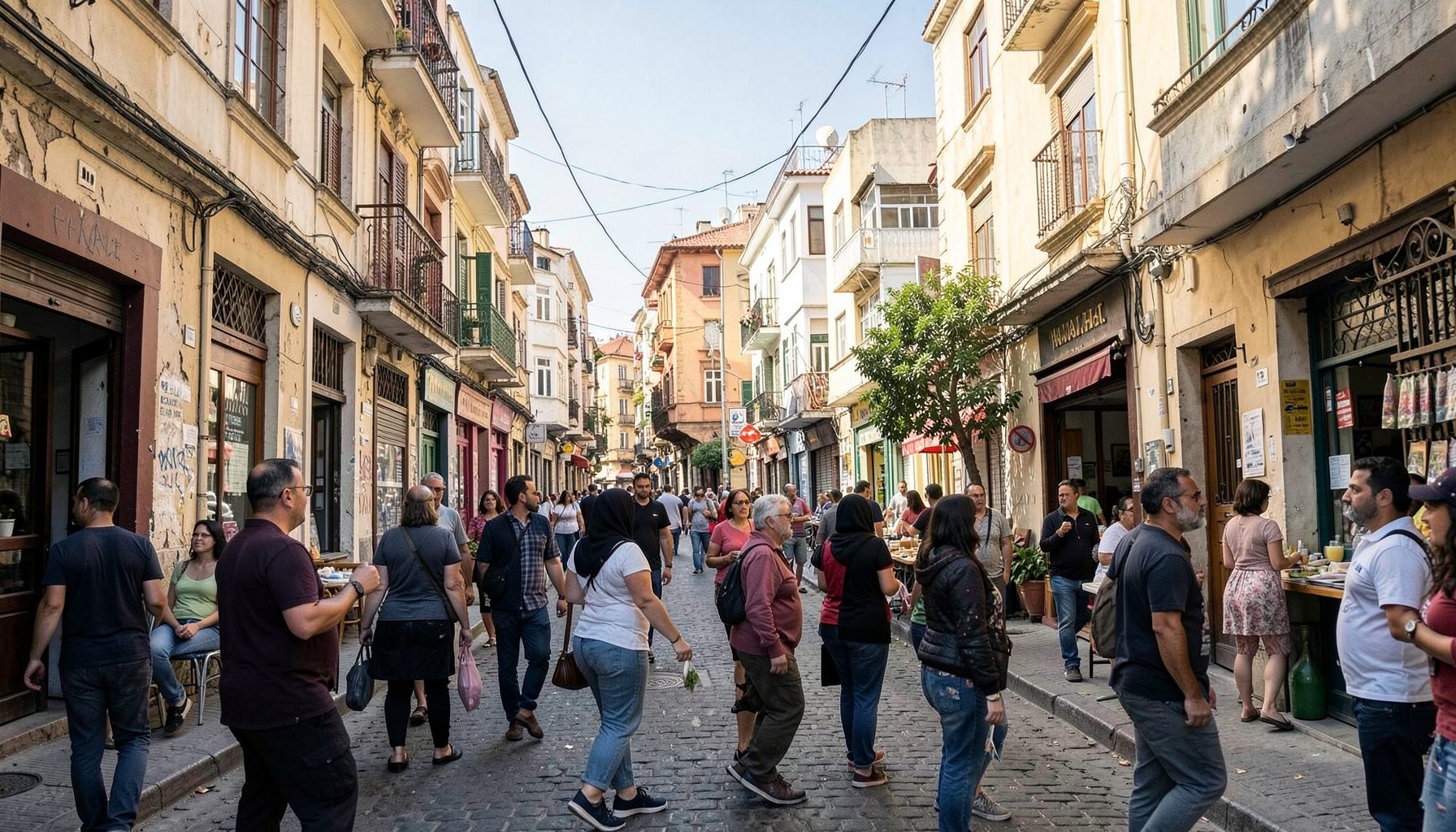
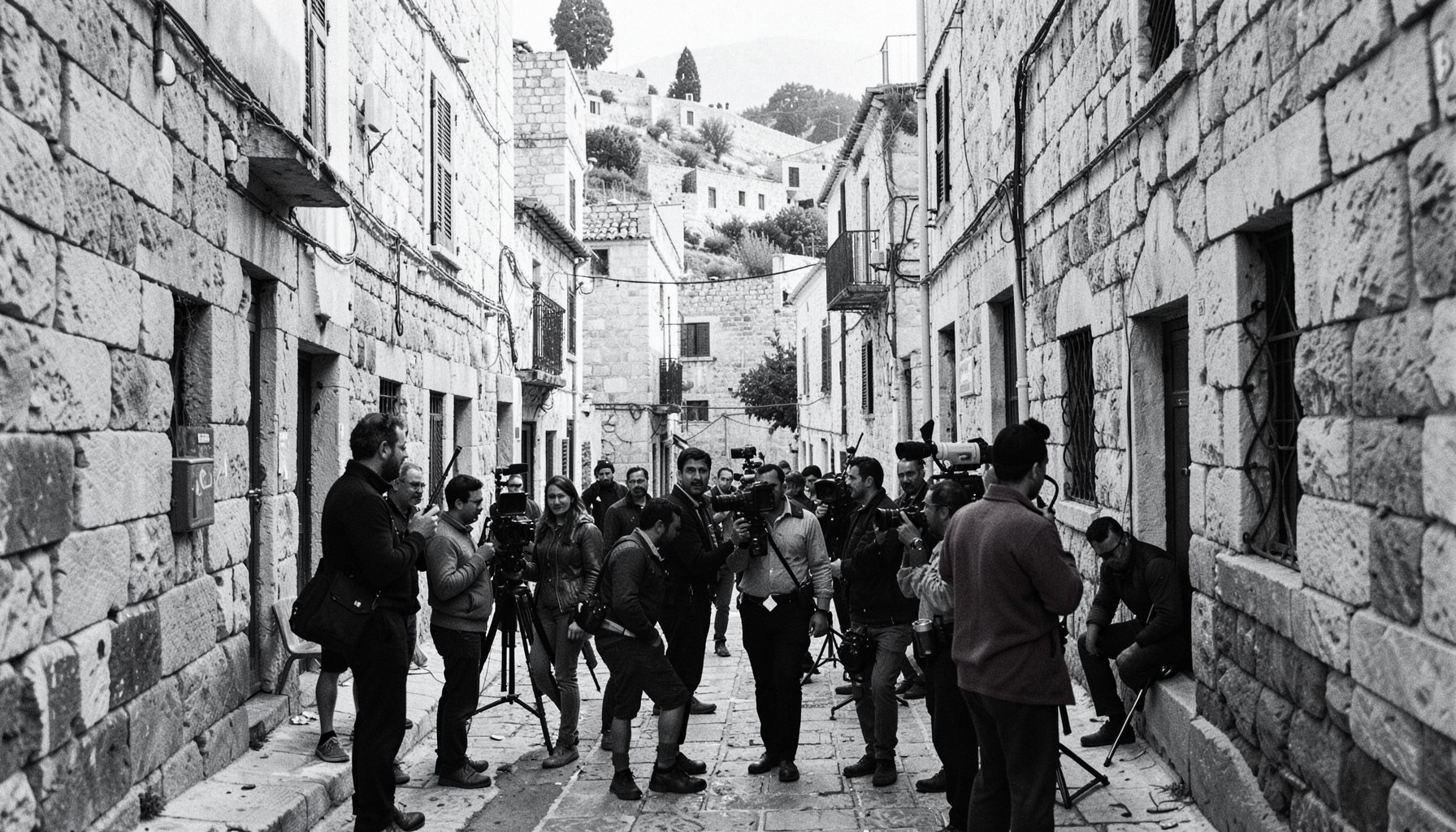
Jerusalem in June 1967 was a place of dust, uncertainty, and profound transformation. The Old City's gates had just opened. Soldiers walked through alleys that had been inaccessible for nearly two decades. Pilgrims, journalists, and locals converged on streets that suddenly held new meanings. Shagrir, who had been photographing Israeli life since the late 1950s, moved through this charged atmosphere with a Rolleiflex and a Leica, working quickly and often without flash.
What makes the contact sheets remarkable is the photographer's instinct. You can see him approach a scene, hesitate, take a second shot, then move on. The margin between two frames often tells the story of a moment unfolding. A cleric pausing mid-blessing. A child holding a parent's hand at the Zion Gate. The shadow of a paratrooper's helmet on ancient stone.
The collection includes both colour transparencies and black-and-white negatives from this period, reflecting the technical range Shagrir brought to his assignments. His style, observant rather than intrusive, gave his subjects space to inhabit their own narratives.
What a contact sheet reveals
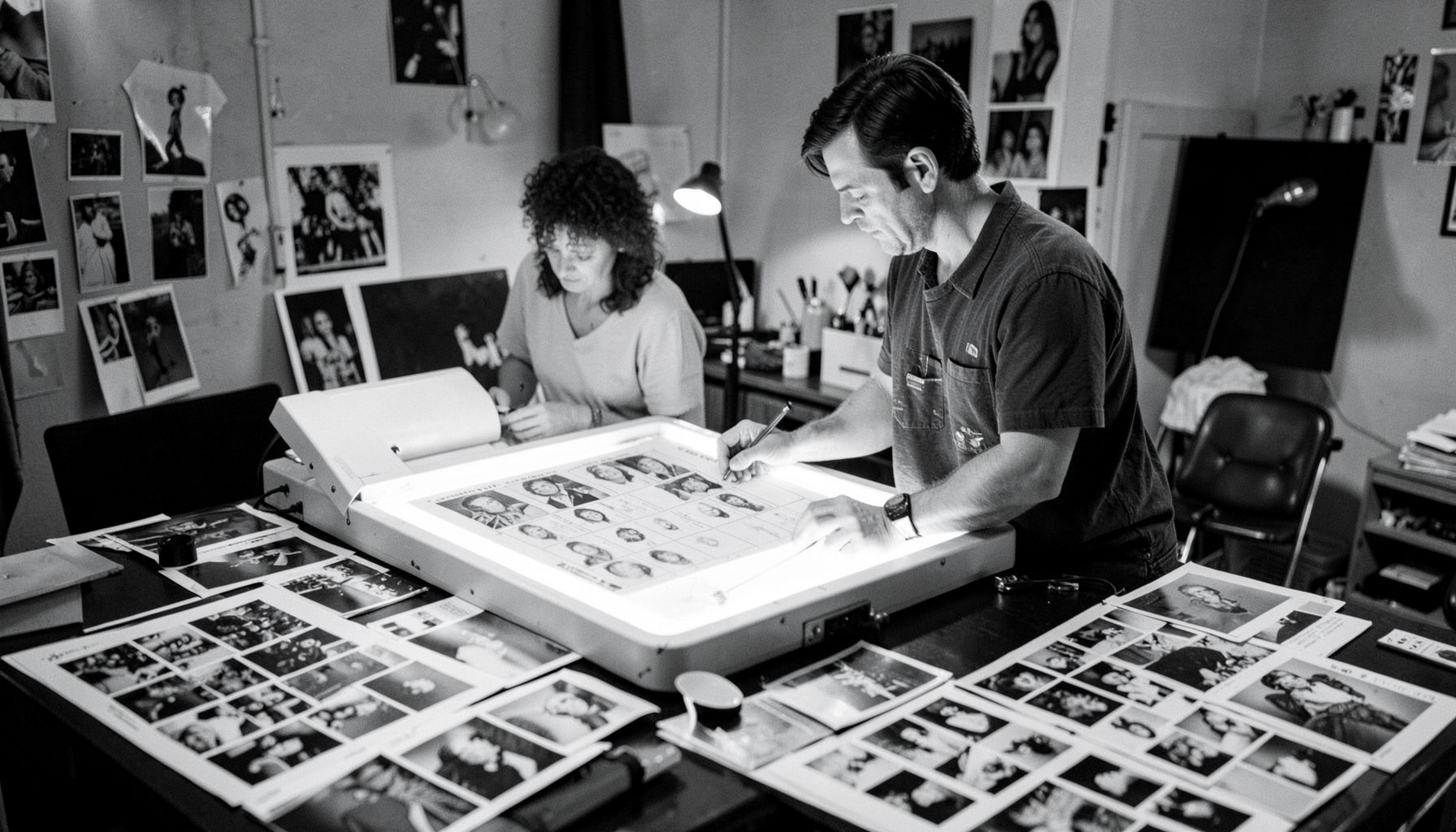
A contact sheet is more than a proof. It is a complete record of a photographer's decisions over a single roll of film, often 36 frames, sometimes 12 for medium format. Light leaks, double exposures, and even the photographer's own pencil marks sit alongside the keepers. Conservators at the Shagrir Collection have digitised these sheets at high resolution so the marks remain legible to researchers.
For Australians trained in the photographic traditions documented at places like the Australian Centre for Photography in Sydney, the value of working from primary materials is familiar. There is a difference between seeing a famous image in a book and tracing the four frames that led to it. The contact sheet lets viewers read the photographer's thought process, his hesitations and his decisiveness.
Because Shagrir often worked on editorial deadlines, his contact sheets function as visual diaries. They include rejected frames that would never appear in a newspaper, but that hold ethnographic value. A passerby's coat, the signage in Arabic, the make of a bus, the weather on a particular afternoon. All of this is preserved. The following table summarises the main contact sheet series held in the archive from this period.
| Series | Approximate date | Location focus | Typical subject matter |
|---|---|---|---|
| Sheet A | Early June 1967 | Old City gates | Soldiers, returning residents, street clearance |
| Sheet B | Mid-June 1967 | Western Wall plaza | Worshippers, journalists, IDF personnel |
| Sheet C | Late June 1967 | East Jerusalem streets | Merchants reopening, daily commercial life |
| Sheet D | July 1967 | Mount of Olives and surrounds | Refugees, religious sites, landscapes |
| Sheet E | August 1967 | Mixed urban scenes | Transport, infrastructure, civic activity |
Voices, silences, and the people within the frame
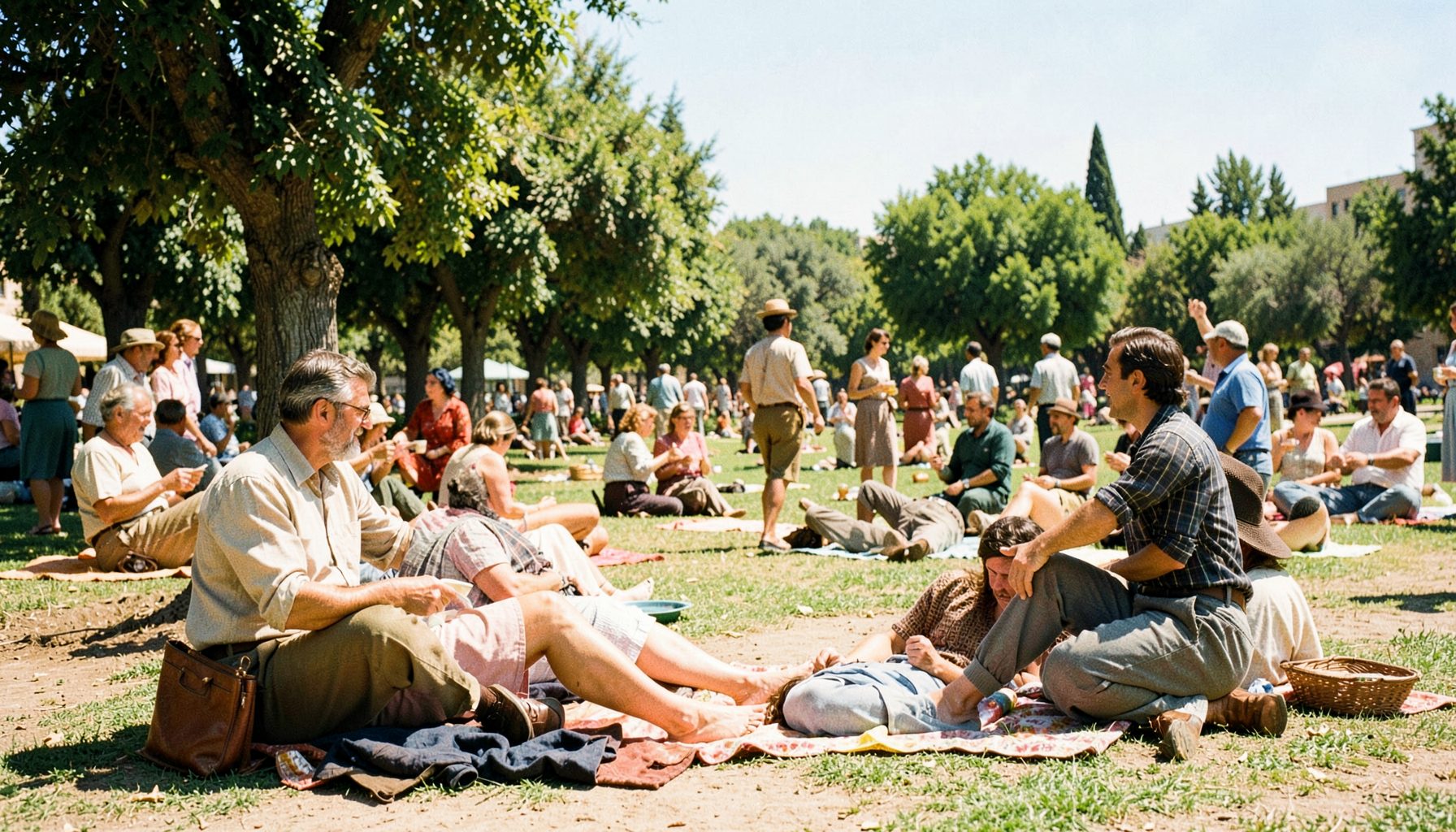
The Jerusalem sheets are full of faces. Soldiers sharing cigarettes. Merchants reopening shuttered shops. Worshippers crossing into the Western Wall plaza for the first time in years. Shagrir photographed with empathy, but he also photographed with the awareness that his camera was a participant in the scene. Some subjects look directly into the lens. Others seem unaware of it.
This honesty is part of what gives the collection its scholarly weight. Researchers working on Israeli cultural memory, urban transformation, or the visual rhetoric of post-1967 nationhood will find rich material here. The archive complements existing holdings at institutions like the National Library of Australia in Canberra, which collects materials on diaspora communities and Middle Eastern politics.
Audio recordings preserved alongside the photographs capture interviews Shagrir conducted with returning soldiers and local residents. Listening to a Jerusalemite describe the moment they first heard the broadcasts of reunification, while viewing his contact sheet of that same week, creates a layered historical experience rarely available outside major institutional archives.
Opening the archive to researchers and the public
Making this material available requires funding, infrastructure, and partnerships. The Shagrir Collection team has digitised thousands of negatives and prints while maintaining rigorous metadata standards. They have also organised exhibitions and educational programs aimed at students, filmmakers, and members of the Jewish diaspora, including communities in Melbourne and Sydney who trace family ties to Israel.
The collection publishes updates on exhibitions, partnerships, and newly processed materials through its news and announcements page. Recent coverage has highlighted loans to international institutions, restoration projects for deteriorating film stock, and collaborations with Israeli universities.
Researchers interested in consulting the originals or commissioning reproductions can do so through the archive's standard request process, which is documented alongside the digital finding aids.
How Australian audiences can engage with the archive
For Australian researchers and curious readers, several pathways exist. University libraries in Melbourne, Sydney, and Brisbane hold related holdings on Israeli history, and partnerships between these institutions and the Shagrir Collection have made remote access easier than it was a decade ago.
Photography enthusiasts familiar with the collections at the Australian War Memorial in Canberra will recognise the archival methodology. Cataloguing negatives, digitising at preservation-grade resolution, and providing contextual essays are standard practice, and the Shagrir Collection follows similar protocols. Anyone who has spent time in the Memorial's reading rooms knows how much a single frame can shift your understanding of an event.
Support for the archive comes from a mix of private donors, academic grants, and community organisations. Details on current sponsors, partner institutions, and how to contribute appear on the collection's supporters page, where researchers and educators often find useful networks for collaboration and outreach.
Educators teaching twentieth-century history, media studies, or visual culture can request high-resolution scans and lesson plans built around the 1967 Jerusalem material. The collection welcomes enquiries from secondary schools and tertiary institutions alike, particularly around themes of conflict, memory, and documentary practice. Local teachers reckon the resource works well for VCE and HSC history students exploring contested narratives and the politics of representation.
Practical suggestions for working with the collection
- Begin with the digital catalogue to identify which contact sheets cover the 1967 Jerusalem period, then narrow your search by date and neighbourhood.
- Request high-resolution scans rather than relying on thumbnails, since the detail in shadows and edges often carries historical information.
- Pair photographs with Shagrir's contemporaneous audio recordings to triangulate events and voices from the same week.
- Compare the Jerusalem sheets with his earlier work from the 1950s to track changes in framing, subject choice, and editorial style.
- Cite the archive's metadata standards precisely, including frame numbers and negative identifiers, when writing for publication.