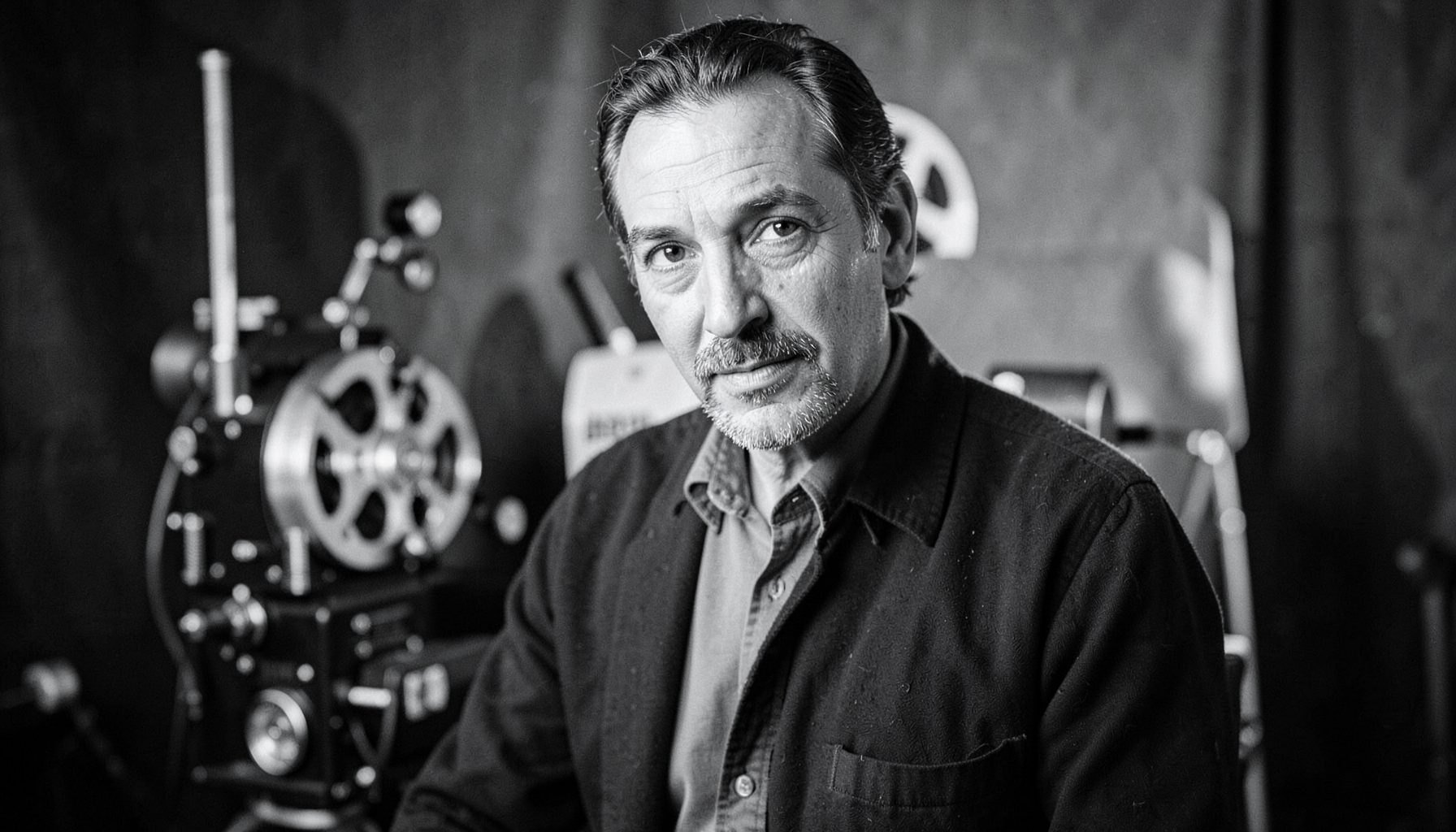

How the Shagrir Collection Fuels Research on Israeli Visual Culture
Israeli visual culture can be studied through films, photographs, clothing, broadcasts, notebooks, negatives and the settings in which people lived. The Shagrir Collection brings these materials together around the career of Micha Shagrir, a filmmaker, producer, photographer and journalist whose work spans important decades in Israeli media and public life. For researchers, its value lies in the relationship between different formats rather than in any single celebrated image.
This kind of archive supports research into political communication, military memory, social change, popular style and documentary practice. It also creates productive links between Israeli history and international scholarship. For an Australian audience, the collection offers a rich case study in how a specialised digital archive can support universities in Sydney, Melbourne and Canberra, school programs, museum exhibitions and independent cultural research.
From Personal Archive to Research Infrastructure
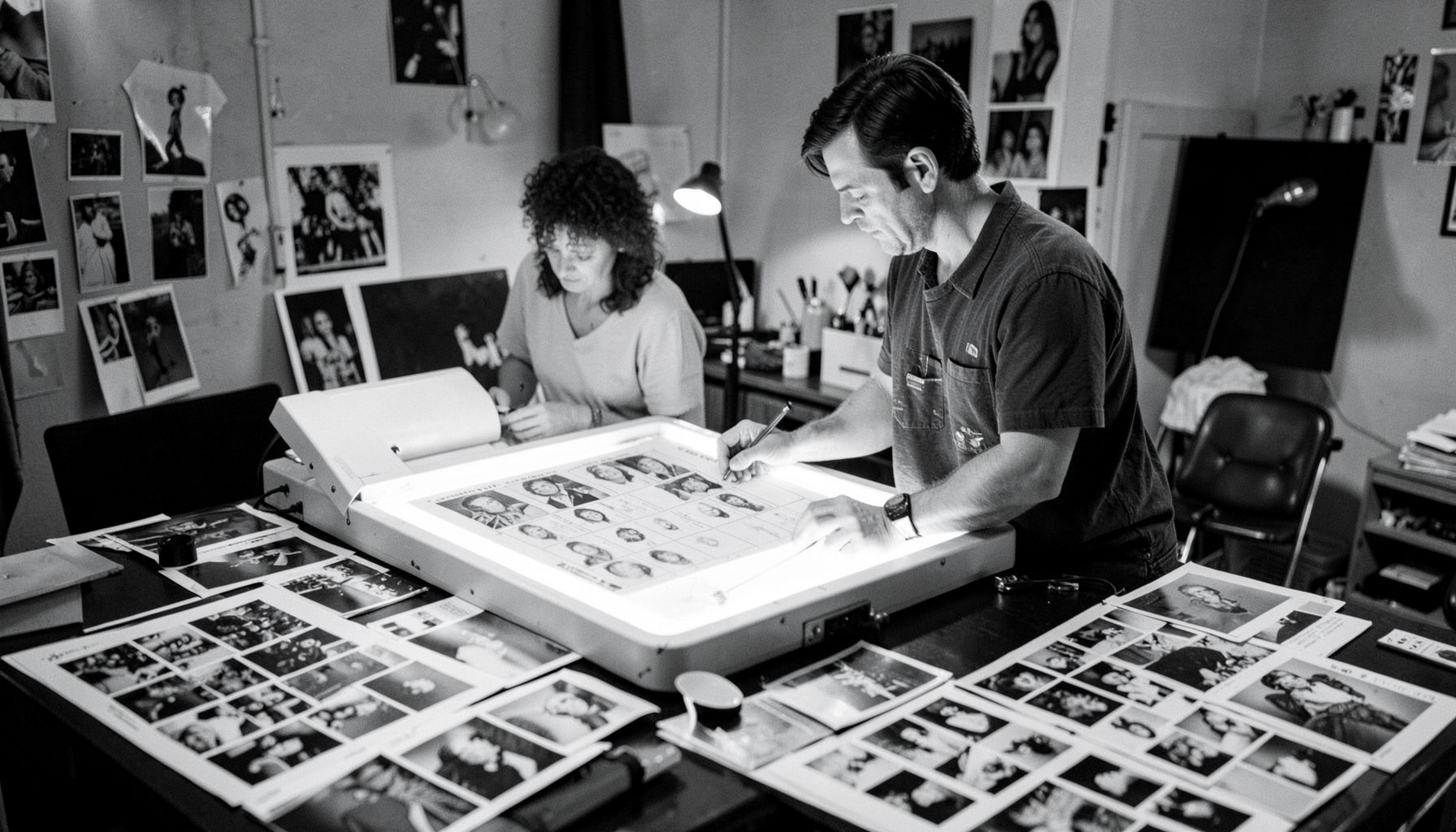
A personal archive often begins with the habits of one working life: keeping contact sheets, storing reels, annotating papers and retaining correspondence. Once organised for public access, these materials become a research infrastructure. The Shagrir Collection includes negatives, prints, films, recordings, personal papers and historical records, allowing scholars to compare what was photographed with what was later broadcast, remembered or omitted.
This breadth matters because visual evidence is rarely self-explanatory. A photograph may show a public ceremony, while a production note reveals why the camera was positioned there. A film sequence can be read alongside contemporary journalism, oral testimony or government records. Researchers can therefore investigate authorship, editing, circulation and reception instead of treating an image as a transparent window onto the past.
The collection’s biographical context also helps establish provenance. Knowing who created an item, when it was made and how it moved through professional networks gives visual analysis a firmer foundation. That approach is familiar to Australian archivists working with collections at the National Film and Sound Archive or the State Library of New South Wales, where metadata and custodial history shape scholarly interpretation.
Reading Fashion and Everyday Life
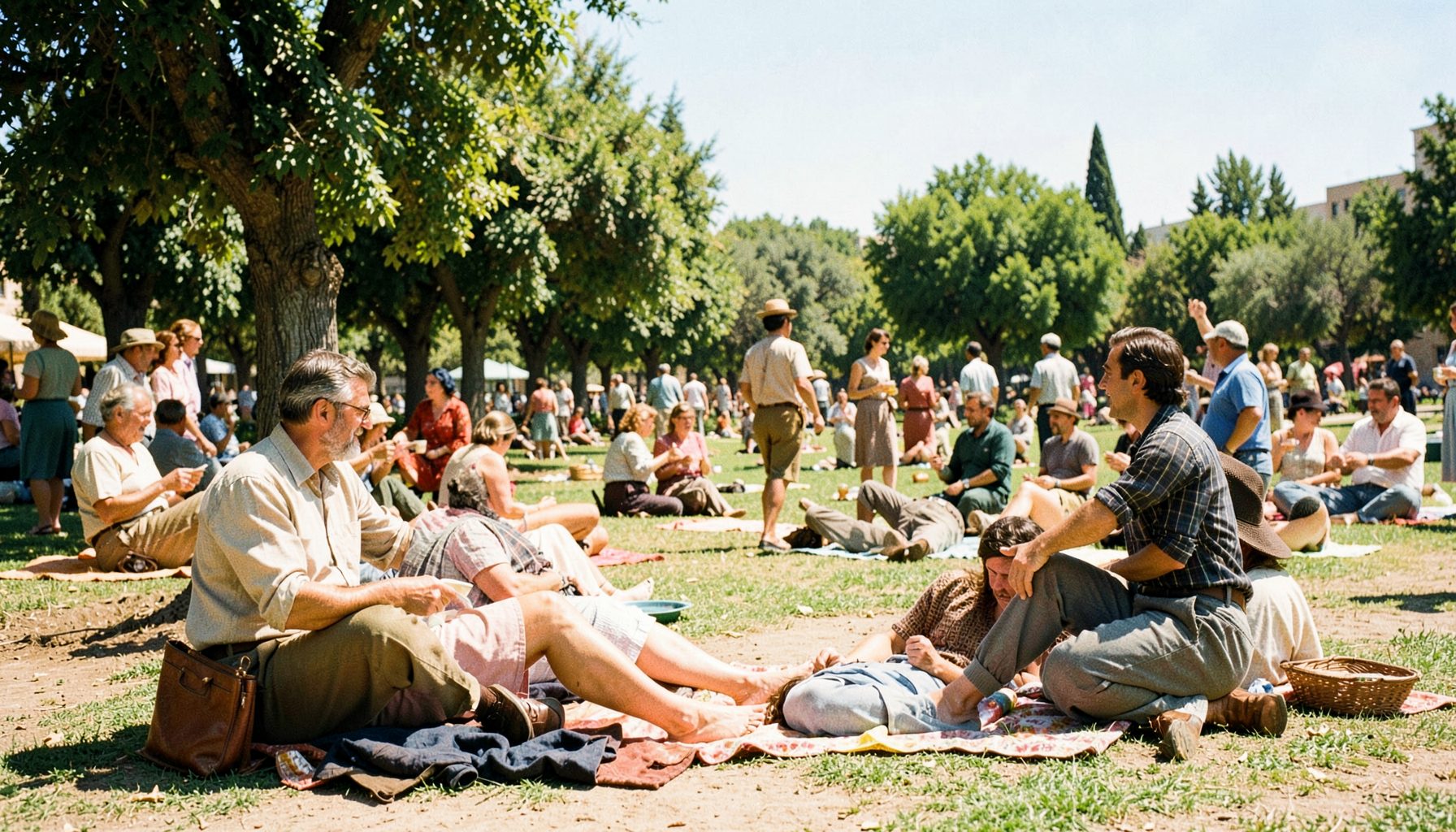
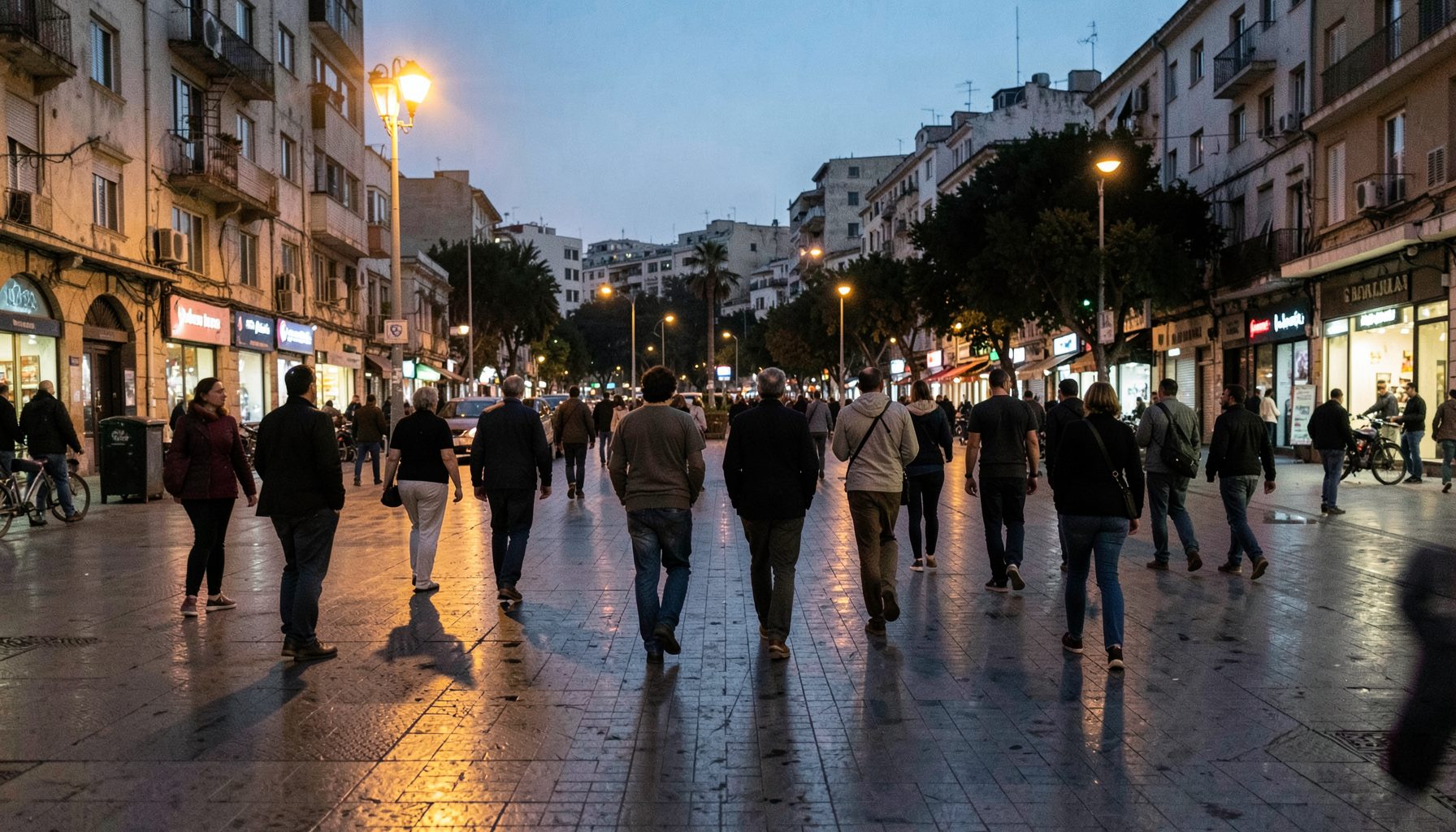
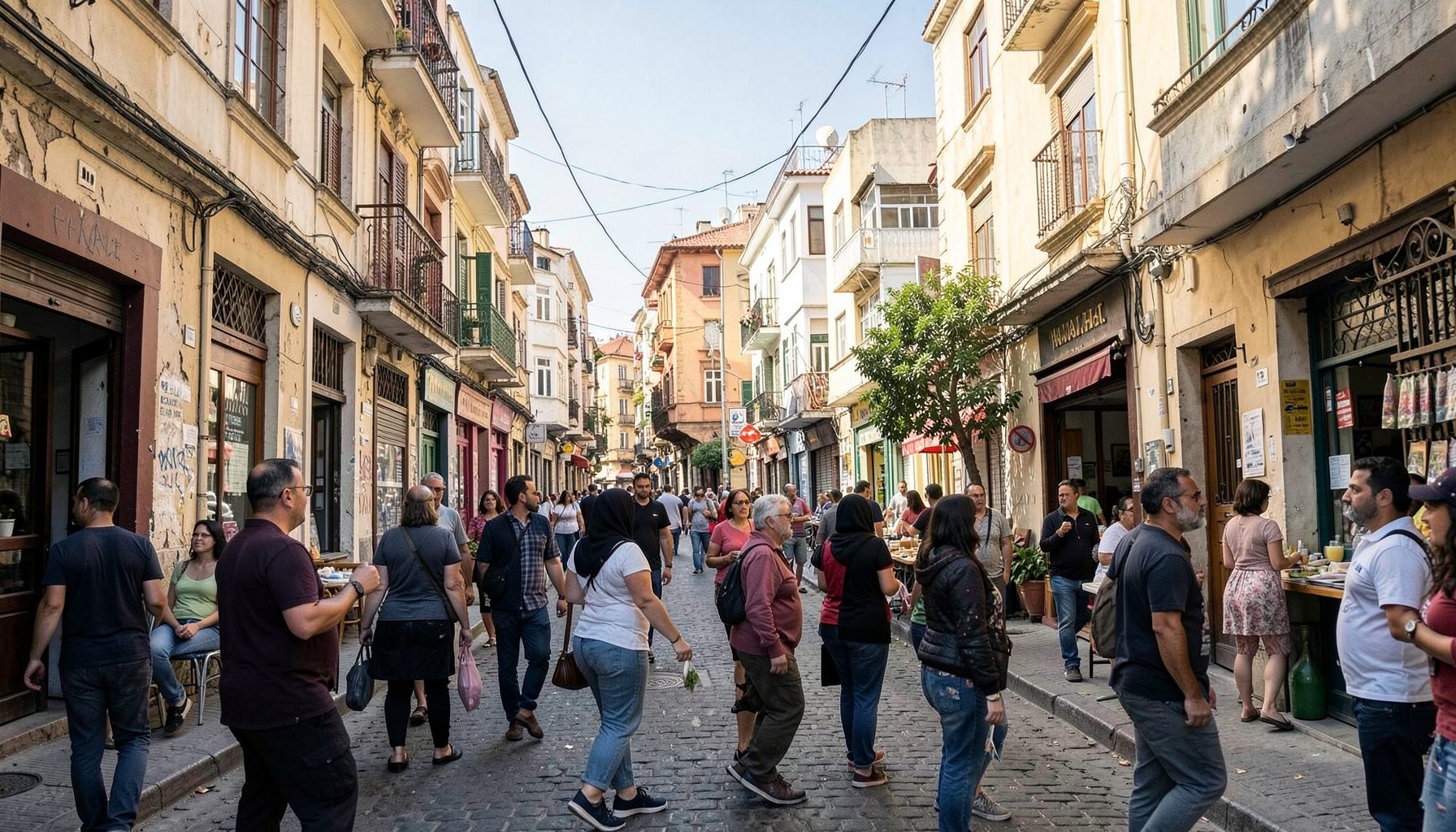
Clothing provides an especially useful route into Israeli social history. Garments indicate occupation, migration, gender expectations, religious identity, military influence and changing ideas of modernity. Photographs and footage can reveal how people dressed in workplaces, neighbourhoods, ceremonies and political gatherings, while repeated visual details may show the spread of particular fabrics, silhouettes or accessories.
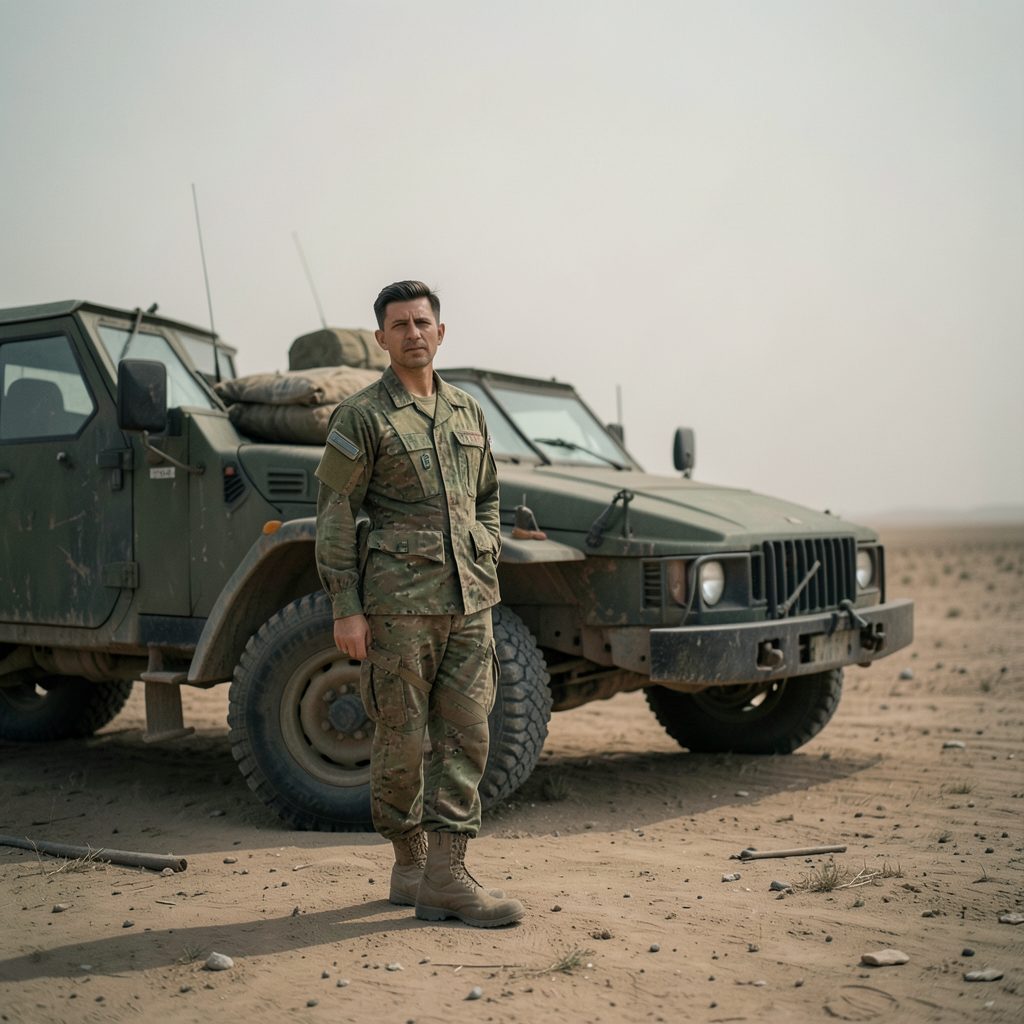
The collection’s material can support research into the relationship between fashion and national identity without reducing clothing to decoration. A uniform may communicate institutional power; a tailored suit may signal professional aspiration; a head covering may carry several meanings depending on location and community. Researchers can trace these distinctions across decades and compare official imagery with more informal photographs.
A useful example is the collection’s discussion of Israeli fashion history, which demonstrates how an archive can connect dress to wider questions of citizenship, work and belonging. Australian scholars could place these findings alongside local studies of post-war migration, suburban life and Indigenous representation, while fashion students in Melbourne might examine how national visual identities are constructed through everyday style.
Moving Images as Historical Evidence
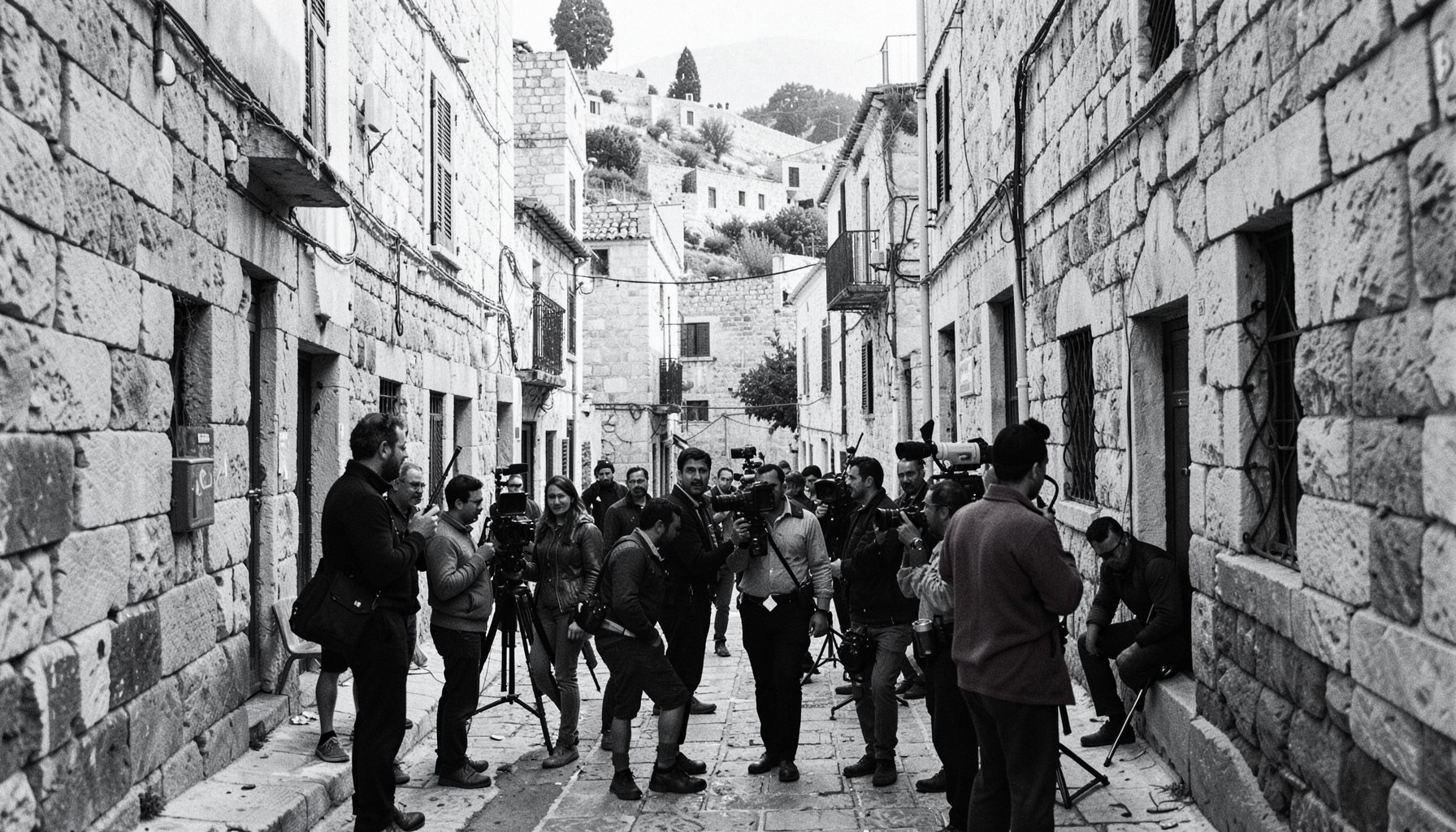
Film footage records movement, voice, gesture and atmosphere in ways that still photographs cannot. It can show how a crowd responds to a speaker, how a presenter frames an event or how ordinary people adapt their behaviour when a camera arrives. These details help researchers study documentary conventions and the politics of looking, including which subjects are given authority and which remain in the background.
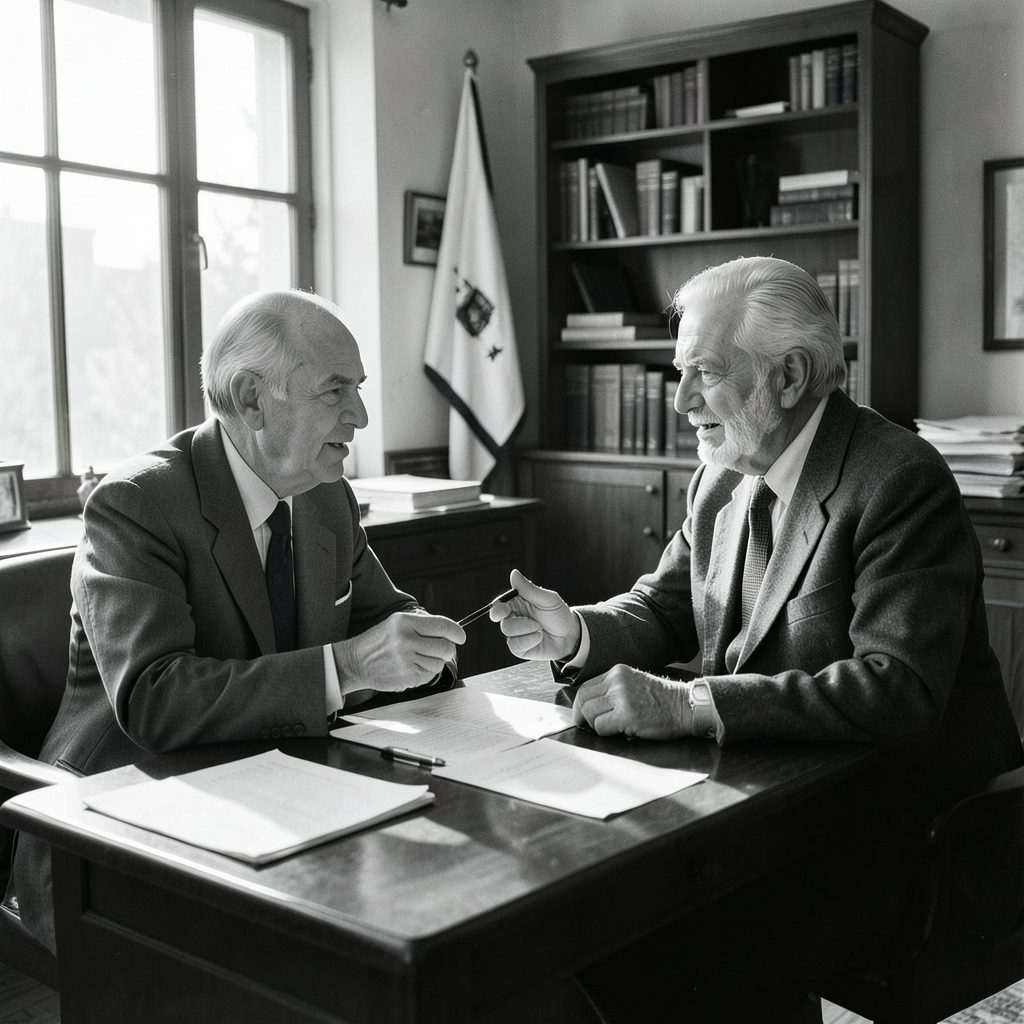
Micha Shagrir’s work can therefore be examined as both historical evidence and authored media. Editing choices, narration, sound quality and shot duration all influence how viewers understand Israeli political, military and social history. Comparing raw or related materials with finished productions may reveal the distance between events and their public representation.
The educational value is equally significant. The resource on using footage in classrooms shows how primary sources can support media literacy and historical inquiry. In Australia, teachers might connect this method with senior secondary history courses, university film studies or National Reconciliation Week discussions about who controls the record of public life. Students can learn to identify framing, context, absence and audience rather than treating archival footage as neutral fact.
Building Bridges With Australian Research
Digital access makes the collection relevant beyond Israel. A postgraduate student at the University of Sydney can consult materials without arranging an immediate overseas visit, while a researcher in Brisbane or Perth can develop a comparative project on documentary cultures, migration or state imagery. Australian libraries already work across dispersed collections, so the Shagrir archive fits a research environment shaped by digitisation, searchable catalogues and remote collaboration.
The comparison can be especially productive in cities with strong Jewish, Middle Eastern and migrant communities. Melbourne’s cultural institutions, Sydney’s film festivals and Canberra’s national collections provide settings for conversations about memory, diaspora and visual representation. The Australian market also has a practical interest in accessible digital scholarship: exhibitions, educational resources, streaming programs and scholarly publishing increasingly rely on rights-cleared, well-described historical content.
Researchers should still approach search visibility and digital discovery critically. An archive may contain exceptional primary sources yet remain difficult to find if descriptions are inconsistent or pages are poorly indexed. Guidance on diagnosing ranking problems is relevant here because discoverability affects which sources enter public debate. Good metadata, stable page addresses, clear descriptions and useful subject terms help Australian researchers locate material through library searches and general web queries.
Independent writers and cultural publishers can extend this reach through careful contextual work. A platform such as Rico Blog illustrates the wider ecosystem of online commentary in which archival discoveries may circulate. The scholarly standard remains essential: digital publication should identify the source, preserve its context and distinguish evidence from interpretation.
Preserving Context for Future Use
Preservation is more than protecting physical objects from damage. It involves maintaining relationships between items, recording technical details and explaining how materials were created and used. Film formats may require specialist digitisation, while negatives, prints and papers each carry different risks. A robust archive must preserve the original object where possible while providing usable digital surrogates for research and teaching.
Description also determines what becomes visible. Dates, locations, names, subjects, production roles and language information can make a photograph discoverable to one researcher and invisible to another. Consistent terminology supports cross-searching, although cataloguers must avoid imposing modern categories that flatten historical differences. Where identities or events are contested, notes should make uncertainty clear rather than presenting a single definitive account.
The collection’s future importance will depend on access as well as preservation. Exhibitions can bring archival images to public audiences, but online resources allow slower, more detailed investigation. A student might compare several versions of a scene, a curator might develop a program about documentary ethics, and a historian might trace recurring visual motifs across decades. These uses turn stored material into an active record of cultural memory.
| Research interest | Useful archival materials | Questions to investigate |
|---|---|---|
| Fashion and identity | Prints, negatives, portraits and film footage | How do dress, work and belonging change across periods? |
| Documentary practice | Completed films, recordings and production papers | How do editing, narration and framing shape historical meaning? |
| Political history | News footage, photographs and personal records | Which events and voices receive visual prominence? |
| Social history | Everyday images, interviews and location records | What can ordinary scenes reveal about community life? |
| Media education | Digitised clips, captions and contextual notes | How can students test visual evidence and recognise bias? |
Researchers can make the archive more useful through a disciplined set of habits:
- Record the item title, date, creator, format and repository details at the start of every project.
- Compare photographs or footage with newspapers, oral histories and official records.
- Treat framing, editing and missing material as part of the evidence.
- Use precise search terms that include places, communities, occupations and historical periods.
- Credit the collection clearly in academic, exhibition and classroom work.
- Check rights and reproduction conditions before publishing images or clips.
Through these practices, the Shagrir Collection becomes more than a repository of Israeli media history. It functions as a meeting point between visual culture, archival science, education and public memory. Its materials invite researchers to study how images are made, preserved and interpreted, while its digital presence makes those questions available to audiences across Australia and beyond.