
How Shagrir Shaped the Visual Narrative of Israeli Independence Day
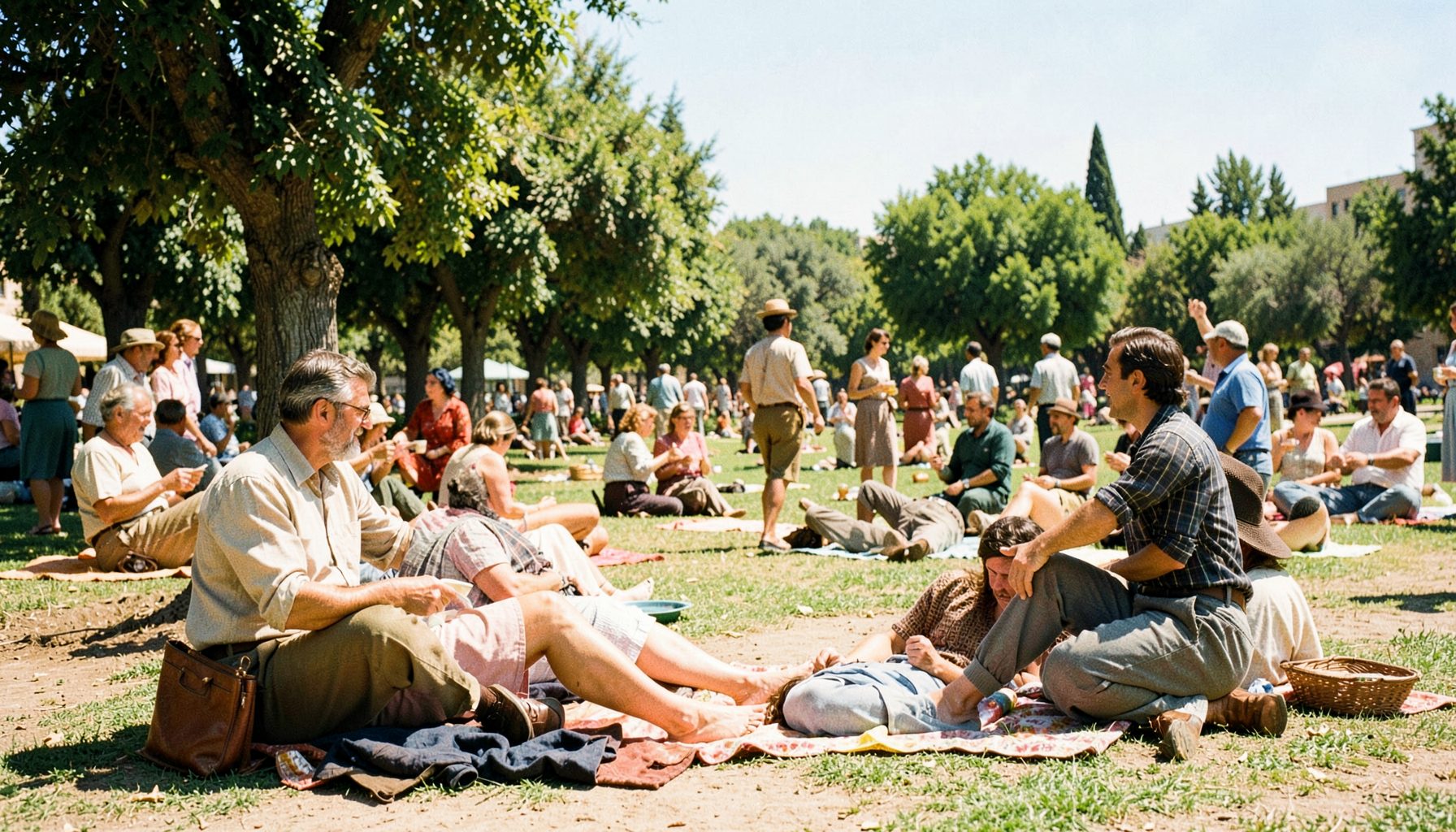
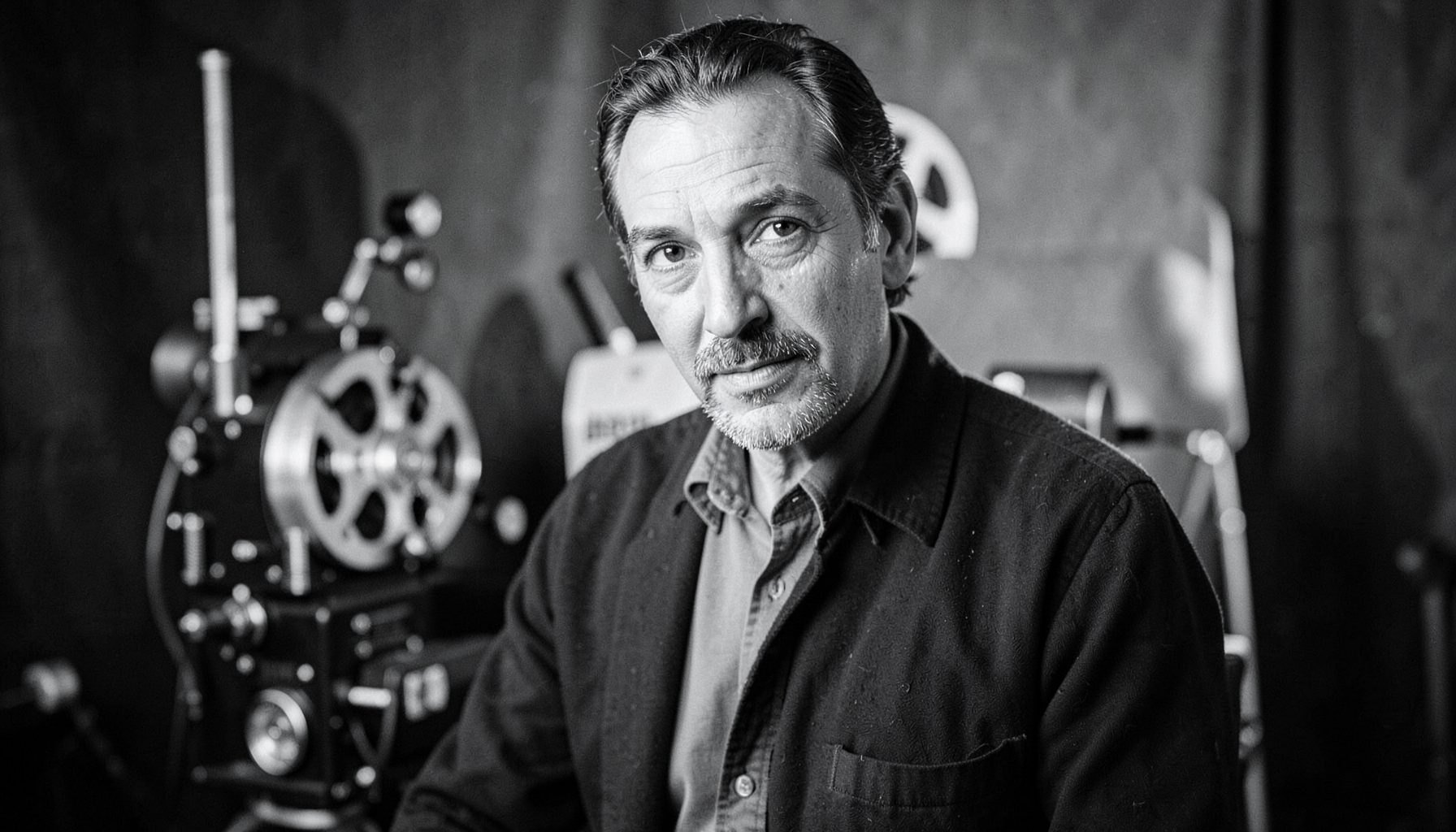
Israeli Independence Day is experienced through more than ceremonies, flags, and official speeches. It is also assembled from images: military aircraft crossing a blue sky, families gathering for a barbecue, veterans recalling earlier wars, children waving paper flags, and archival footage that turns political history into something intimate and recognisable. Micha Shagrir’s filmmaking helped establish many of the visual habits through which Israelis have watched, remembered, and debated the holiday.
His work sits at the meeting point of documentary cinema, broadcast journalism, photography, and historical record. By focusing on faces, places, testimony, and the physical texture of everyday life, Shagrir broadened the national picture beyond formal state ritual. For Australian audiences familiar with the emotional power of Anzac Day coverage, the comparison is useful: both commemorations depend on carefully selected images, yet Shagrir’s archive also reveals who appears in the frame, who remains outside it, and how public memory changes over time.
From ceremony to lived experience
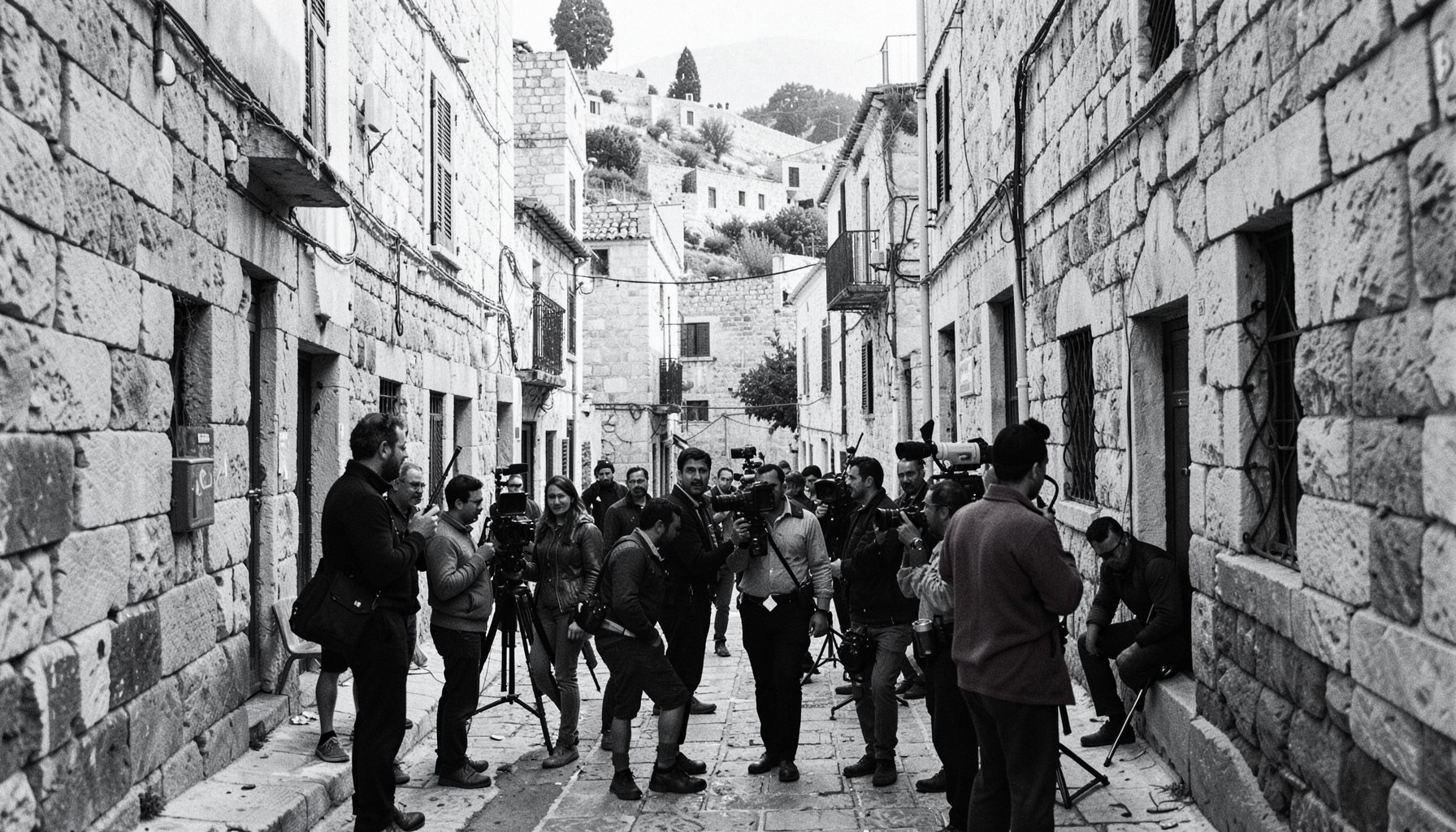
Early Independence Day coverage often leaned towards official spectacle. Parades, military displays, political leaders, and national symbols offered a clear story of sovereignty and achievement. Shagrir’s approach gave that story a human scale. His camera could move from a public ceremony to a family kitchen, from a soldier’s recollection to a street crowded with children, creating a layered portrait of the country rather than a single authorised viewpoint.
This shift mattered because television became part of the holiday itself. Many viewers encountered Independence Day through broadcast images before taking part in local events. Shagrir understood that a close-up of a face, a pause in an interview, or a glimpse of a modest neighbourhood could stay in the memory longer than a polished declaration. His documentary unit work helped push Israeli broadcast journalism towards more mobile, immediate, and socially observant forms.
For Australians, the parallel can be seen in the difference between a formal Anzac Day march on George Street in Sydney and the personal stories broadcast from a local RSL club. Both belong to national remembrance, but the second brings history closer to ordinary speech, family memory, and regional experience. Shagrir’s Independence Day imagery worked in a similar register.
The camera as a keeper of memory
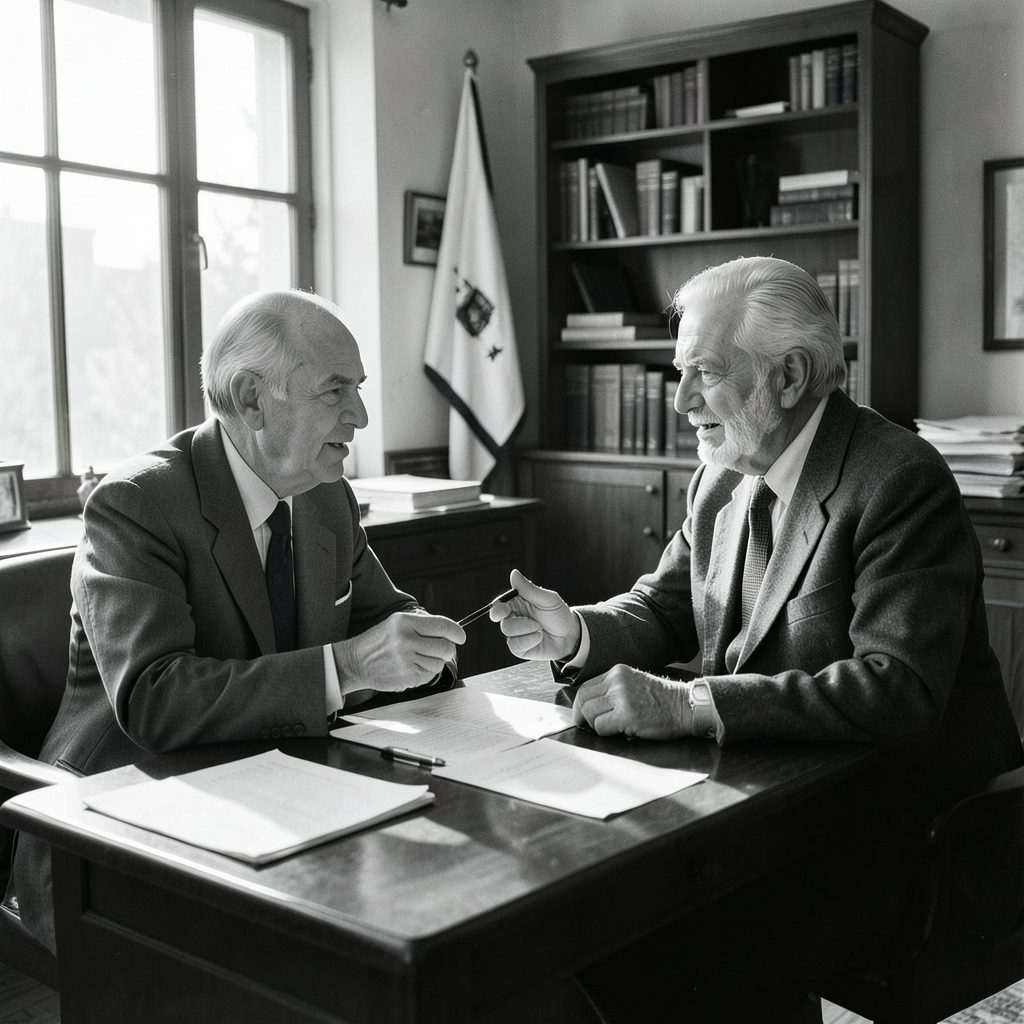
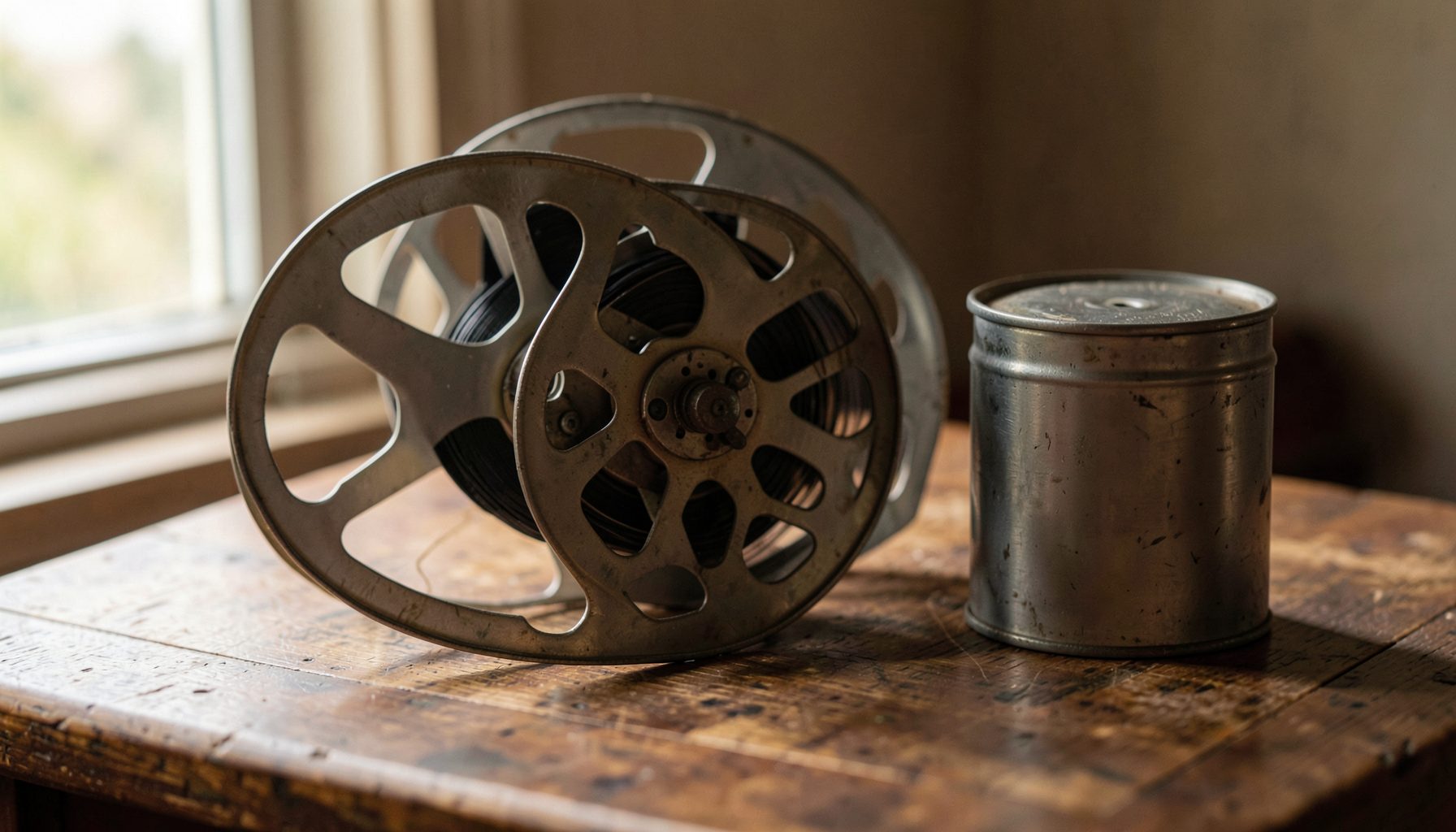
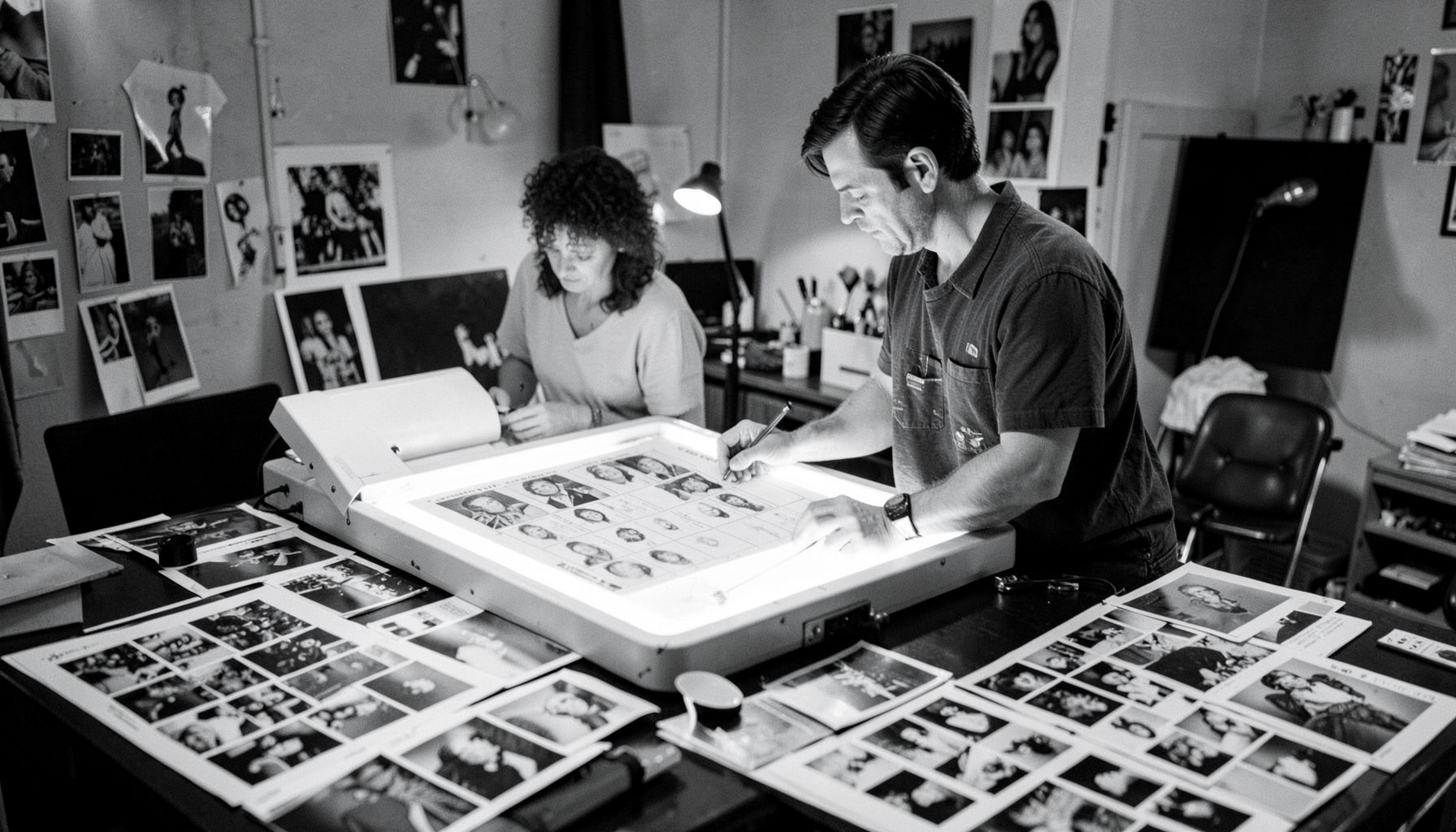
Shagrir’s visual language depended on the belief that historical evidence does not live only in government files. Negatives, contact sheets, personal photographs, film reels, recordings, and working papers preserve the circumstances around an event. They show how people looked, dressed, gathered, waited, and responded when the cameras were present. Those details can alter the meaning of a familiar national celebration.
The Shagrir Collection brings these materials together as an archive rather than a simple gallery of finished productions. Its collection’s background explains the wider value of preserving primary sources connected to Israeli political, military, and social history. For researchers, this can reveal the production choices behind a broadcast: which image was selected, which interview was shortened, and which moment was left on the cutting-room floor.
That archival perspective is especially relevant in a media environment shaped by rapid digital circulation. A clip shared during a public holiday may appear self-explanatory, yet its original date, location, and editorial purpose can be uncertain. Shagrir’s preserved materials invite viewers to slow down and read images as documents. They encourage a distinction between what a picture records and what later generations ask it to mean.
A national story with many voices
Independence Day has always carried several emotional registers. It can express pride, relief, grief, belonging, uncertainty, and political disagreement at the same time. Shagrir’s work made room for these tensions by allowing testimony and observation to sit alongside official narratives. His films did not treat the nation as a single character with one voice.
This is important when considering Palestinians and Palestinian villages in the history surrounding Israeli statehood. The absence of a community from a celebratory frame can itself become historically significant. Shagrir’s film about Palestinian villages, discussed in an untold film story, points towards the complexity beneath a familiar national anniversary. It reminds audiences that independence may be remembered as liberation by some and displacement or loss by others.
The Australian comparison is again useful without being exact. Australia Day is debated through competing experiences of national identity, colonisation, and belonging, while Anzac remembrance carries different meanings for First Nations communities, migrants, military families, and younger Australians. Shagrir’s work offers a model for treating those differences as part of the historical record instead of smoothing them away for the sake of a neat broadcast story.
The visual grammar of the holiday
Over time, Independence Day coverage developed a recognisable visual grammar. Wide shots established crowds and landscapes; close-ups supplied emotion; archival inserts connected present celebrations to earlier decades; and transitions between military, civic, and domestic scenes created a sense of continuity. Shagrir contributed to this grammar through documentary techniques that made national history feel immediate and personal.
Photography was central to that process. A still image can freeze a gesture that moving footage passes over: a hand gripping a flag, a child watching an aircraft, a veteran recognising a street after many years. Such images become reusable cultural references, appearing in exhibitions, textbooks, commemorative programmes, and online discussions. Their power comes partly from their openness. Viewers can place their own family memories inside the frame.
There is also a useful connection with the way visual style circulates in Australian popular culture. Independent online publishing, including fashion and image culture, shows how clothing, portraiture, streetscapes, and personal presentation can become historical signals. Shagrir’s photographs operate similarly, although their purpose is documentary: uniforms, work clothes, hairstyles, domestic interiors, and public spaces help date an image and locate a person within a changing society.
Broadcast history and public trust
Shagrir worked during a period when television held unusual authority. A small number of broadcasters could shape the shared national conversation, particularly on a day when audiences were watching the same ceremonies and retrospective programmes. This concentration gave editors considerable influence over public memory. Choices about timing, narration, music, and image order could turn a collection of events into a coherent national story.
His contribution was to make that coherence more textured. Rather than relying solely on grand statements, documentary reporting could show uncertainty, contradiction, and emotion. A pause in an interview might communicate more than a rehearsed line. A street scene could challenge the impression that the holiday was experienced uniformly across the country. This kind of visual honesty helped build trust because it acknowledged the distance between official language and lived reality.
Australian viewers may recognise the dynamic from ABC or SBS documentary traditions, where a national subject is often explored through regional voices and personal testimony. The market is different, and the histories are different, but the editorial question is familiar: how can a public broadcaster represent a country without reducing it to a single image? Shagrir’s answer was grounded in patient observation and a willingness to preserve difficult material.
An archive that keeps the story open
The lasting influence of Shagrir’s work can be seen in the way Independence Day images continue to be revisited. A photograph or film sequence does not have one permanent meaning. New exhibitions, educational programmes, family research, and political debates can bring different details into focus. Archival preservation allows later viewers to question the assumptions built into older commemorative pictures.
This matters in an age when national imagery is easily edited, reposted, and detached from its original setting. A preserved negative or production note can provide context that a digital fragment lacks. It may identify a location, clarify a date, or show that a supposedly spontaneous scene was carefully arranged. Such evidence does not reduce the emotional power of the image; it makes that power more accountable.
For audiences in Melbourne, Brisbane, Perth, or regional New South Wales, the lesson is broadly familiar: public memory is made from both major ceremonies and small local records. A school assembly, a community hall display, or a family photograph can sit beside national broadcasts and alter the story being told. Shagrir’s legacy lies in recognising this relationship. He helped shape Independence Day as a visual narrative, while leaving enough evidence for future generations to question, expand, and humanise it.