Shagrir at the front: documenting the 1973 Yom Kippur War
On 6 October 1973, Egyptian and Syrian forces launched coordinated attacks against Israel, opening a conflict known in Israel as the October War. Shagrir, a photographer, filmmaker and journalist, recorded Israel’s military response with a documentary eye in the Sinai, at the Suez Canal and on the Golan Heights. His material captures the war as experienced by troops and civilians rather than as an abstract contest between armies.
The Shagrir Collection preserves this evidence across negatives, prints, films, recordings and papers. Together, these formats reveal choices about timing, access and narrative that a single reproduced photograph can conceal. They also show why such records require patient reading: every image stands within a chain of military control, editorial judgement, archival handling and later display.
Entering the operational front
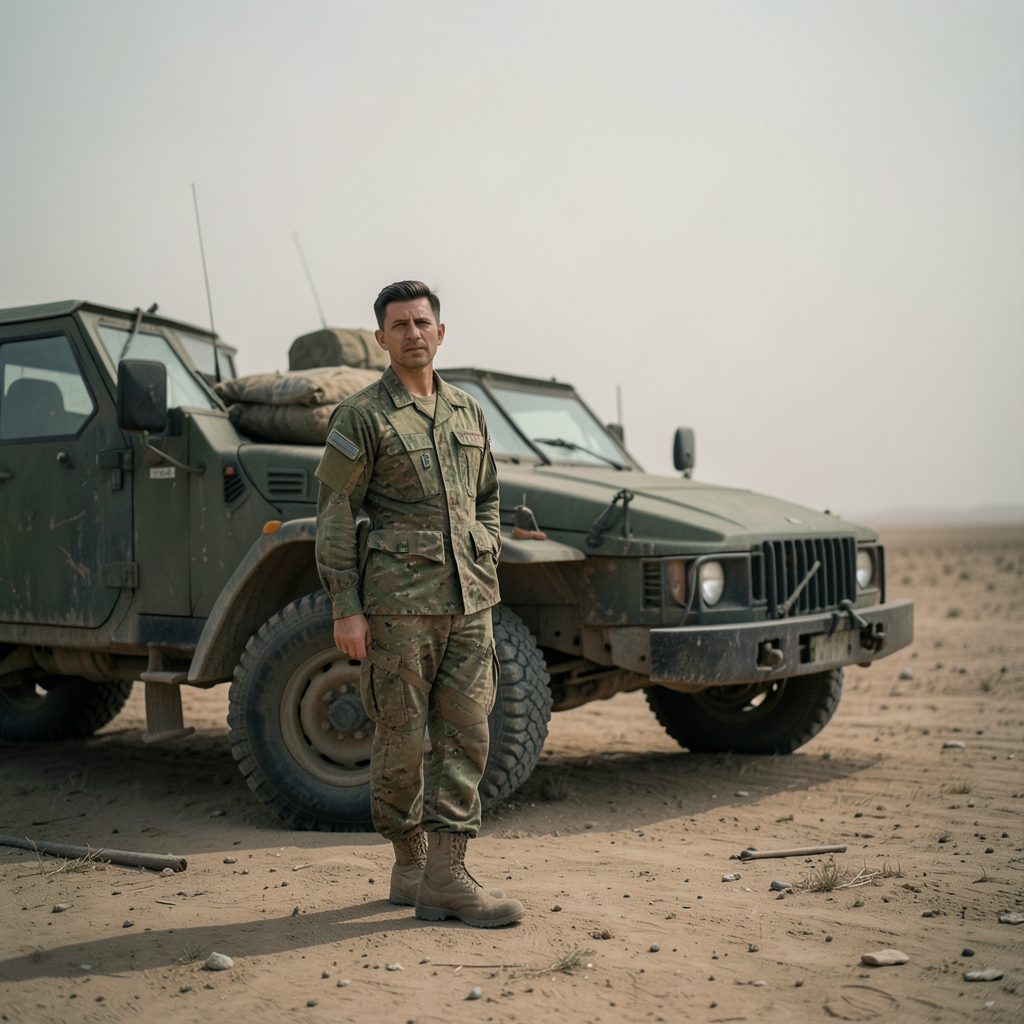
Front-line photography in 1973 was physically demanding. Cameras had to be carried through dust, smoke and confined positions, often before a photograph could be checked or transmitted. Soldiers appeared against trenches, roads, fortifications and damaged settlements; the terrain made every image as much a record of place as of people. Military movement and civilian disruption frequently shared the same frame.
The opening surprise and rapid movement of forces made access and attribution especially sensitive. Shagrir’s value lies in joining the immediacy of the camera to the discipline of documentation. He recorded the human scale of command, fatigue, travel and waiting while preserving context that allows researchers to test what happened before and after a shutter clicked. Those questions remain central to the photographic practice explored by Kif Limali.
The camera in the combat zone
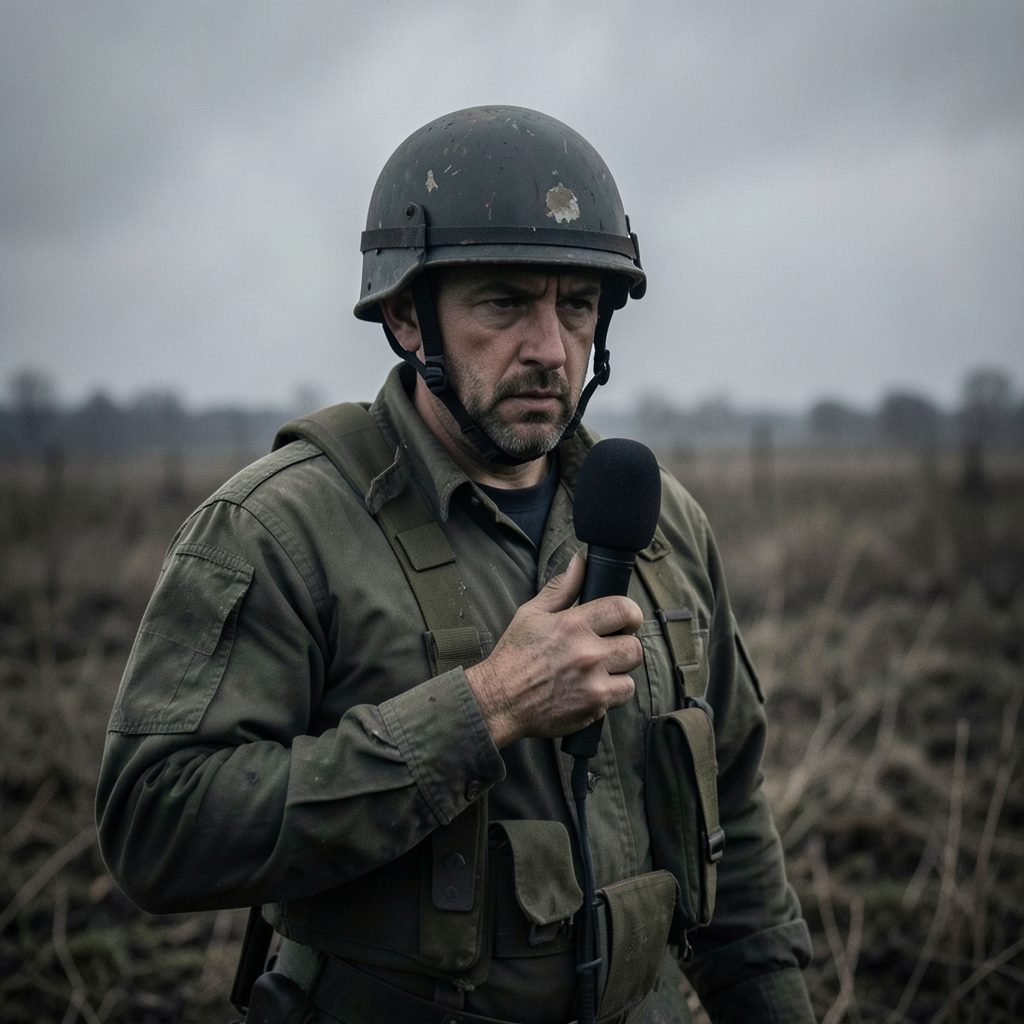
Across negatives and prints, the wartime material places soldiers, weapons, vehicles, field positions and civilians within the same visual record. A single frame can isolate a crew preparing equipment, exhausted troops waiting for orders or a family watching events beyond the front. Read in sequence, photographs restore the movement and repetition hidden by isolated reproduction: columns on roads, changing light, improvised shelter and routines that continued between crises.
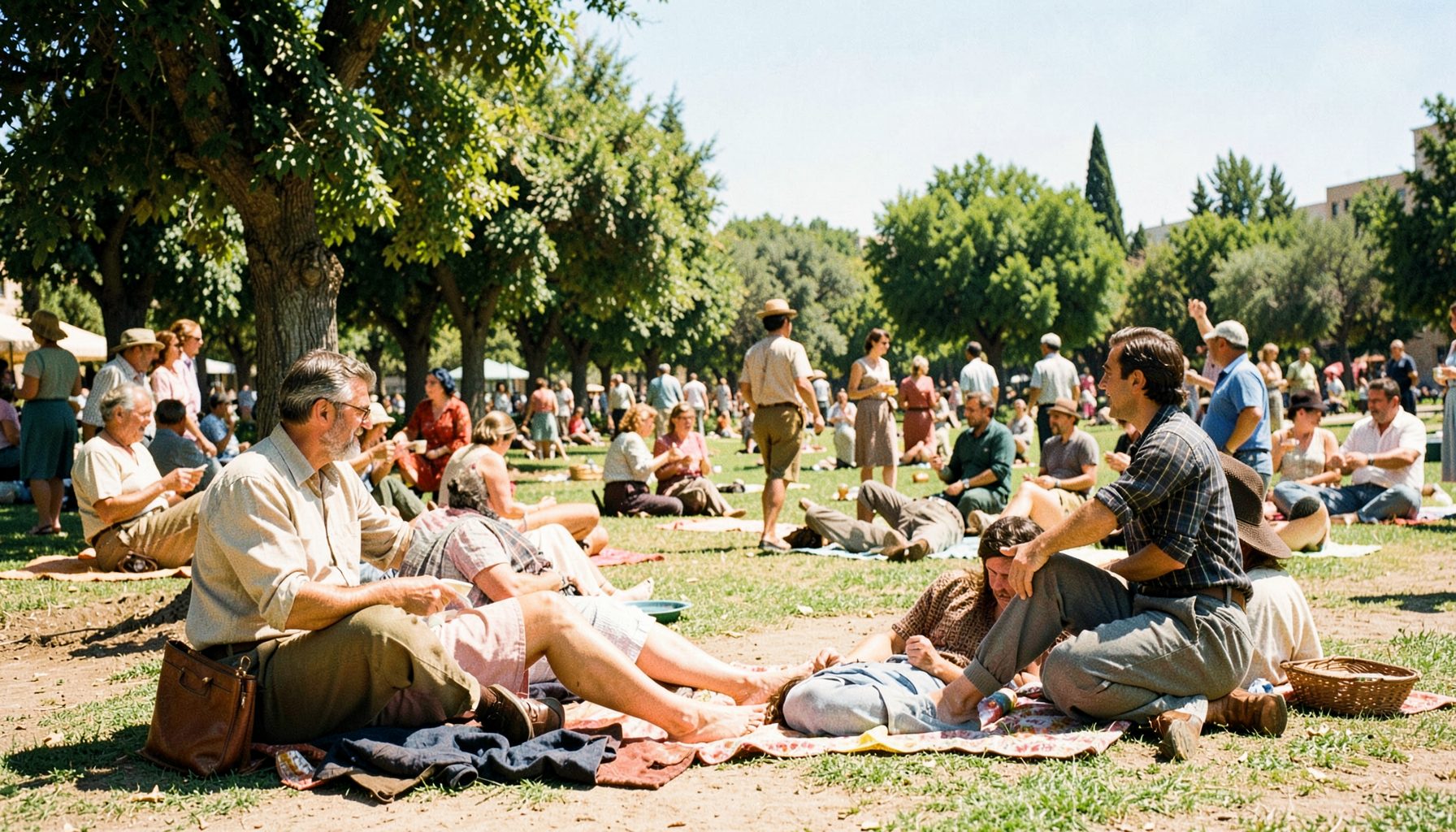
Placing these images beside the Independence Day photographs reveals a marked change in Shagrir’s subject matter and use of space. The earlier pictures record crowds, flags, music and public ceremony, while the combat work is shaped by restricted access, anxiety and disruption. The contrast does not make one body of work innocent or the other propaganda; it shows how the purpose of a camera changes with the political and physical conditions surrounding it.
Censorship and the limits of visibility
Editors and correspondents worked within Israeli military censorship and security controls. Clearance processes could delay or prevent publication, while unit locations, tactical movements and certain casualties could not always be shown. Shagrir’s photographs therefore represent both what a camera recorded and what military authorities considered publishable. That double filter matters whenever an apparently straightforward picture reaches an archive.
Absence must be handled with equal care. A missing view may reflect censorship, danger, damaged negatives, editorial selection or an area a photographer could not reach. It does not prove that an event never occurred. Researchers should ask what is visible, what has been withheld and what later preservation may have erased, treating every gap as part of the historical evidence rather than an empty space.
From negatives to public memory
Once cleared, pictures entered newspapers, magazines and broadcast reports, where cropping and captions could shift their meaning. Shagrir’s filmmaking and sound recordings add duration and spoken testimony to the still-image record, while personal papers reveal planning, contacts and working methods. Together, these formats let researchers ask whether an edited sequence obscured a setting or placed events in a misleading order.
Preservation adds another layer. Negatives can retain an entire roll beyond the frame selected for print; film preserves movement; recordings preserve speech; papers preserve names and decisions. The collection background situates these artefacts within Shagrir’s wider career, making the archive more than a set of battlefield pictures. It becomes a record of how historical memory was produced, contested and handed on.
Reading primary sources with care
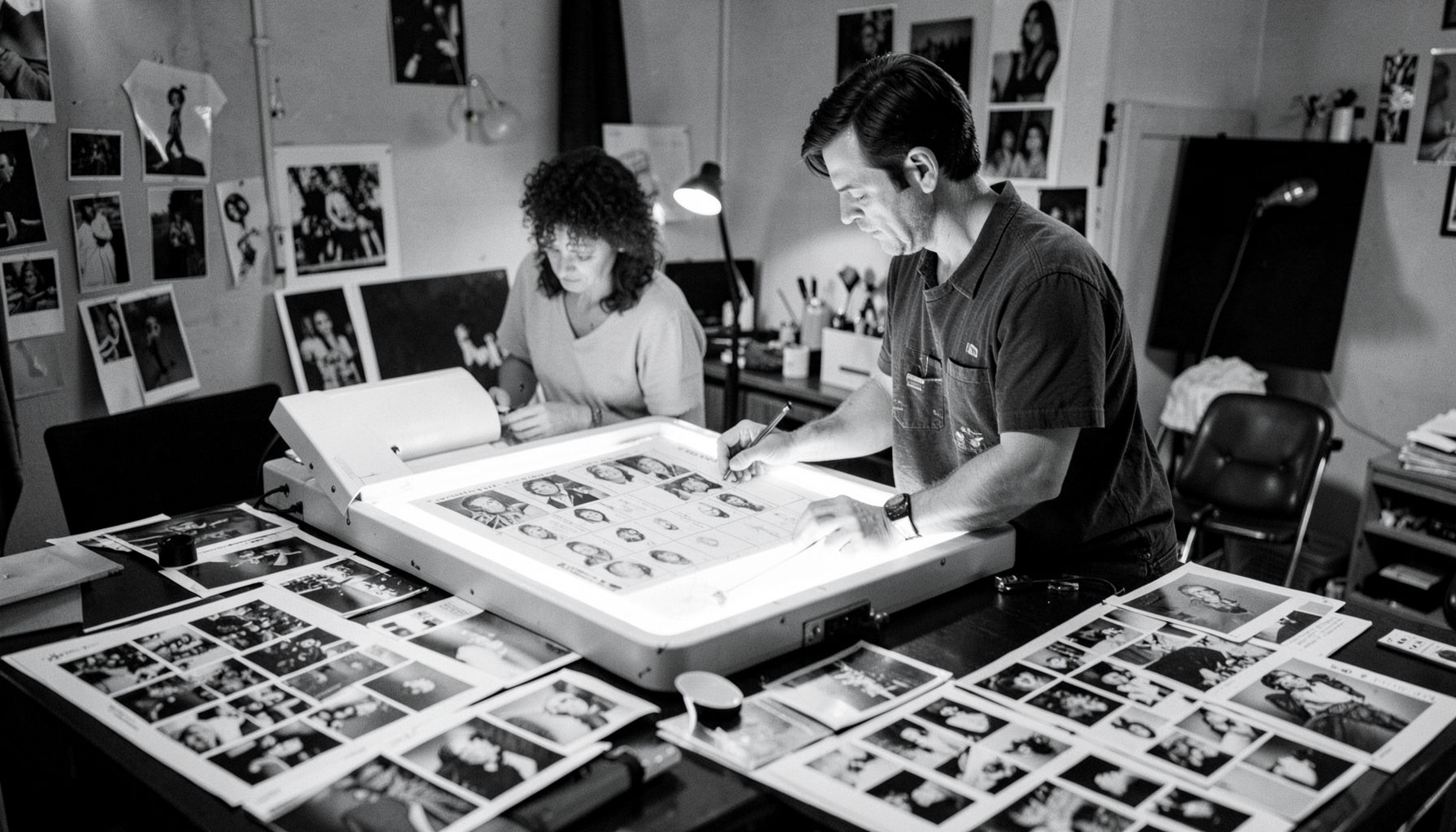
Archival images should be treated as evidence with a chain of custody, not transparent windows. Catalogue numbers, dates, locations, annotations and edition differences can all affect interpretation. Researchers should inspect contact sheets, compare prints with negatives, note visible identifiers and test captions against maps, military records, contemporaneous newspapers and oral testimony. Where details conflict, uncertainty should remain visible rather than being smoothed away.
Australian researchers often begin with the National Archives of Australia in Canberra or state archives in Melbourne, Sydney and other capitals. Public access is shaped by the Commonwealth Freedom of Information Act 1982 and separate state records laws, although private collections such as this one are not automatically covered. Reuse of photographs may also engage the Copyright Act 1968, making rights, credits and permissions central parts of responsible research.
Australian connections without false equivalence
For Australian readers, the value lies in a shared media history rather than a false equivalence. By early 1973, Australia had recently completed troop withdrawal from Vietnam, while the war continued and anti-war sentiment remained powerful at home. Official commemoration and veterans’ testimony were also being debated, giving Australians a pertinent frame for asking how censorship, casualty imagery and official briefings shape public trust.
An Australian reader in Sydney or Melbourne now often encounters conflict photography through social feeds and phone screens during a commute, where a crop may be separated from its original caption. Public galleries, libraries and community radio still provide slower settings for context, but the pressure to make images instantly legible remains familiar. The Shagrir material offers a counterweight by asking viewers to reconstruct sequence, purpose and circumstance.
Australian collectors and institutions also participate in a local market for vintage prints, framed reproductions, contact sheets and documentary editions, with specialist dealers and auction prices commonly expressed in Australian dollars. Commercial demand can keep fragile material visible and help fund conservation, yet a sale may sever a photograph from its accompanying notes. Purchase records, conservation costs and public interest can therefore sit in tension.
Recommendations for responsible archival research
Responsible use combines historical method with care for the people represented and the institutions holding the material. Sensitive images of injury, displacement and military action should be contextualised, credited and handled according to archive policy. Exhibitors should distinguish original evidence from later reconstruction, and journalists should avoid presenting archival captions as neutral when the surviving process is more complicated.
These recommendations help researchers, teachers and programmers turn access into learning without treating the archive as decoration:
- Start with provenance, catalogue metadata and any original annotations before interpreting a photograph.
- Compare negatives, prints and published versions to identify cropping, sequencing and caption changes.
- Place each image on a dated map and cross-check military, press, civilian and oral accounts.
- Record silences and omissions, including censorship, destroyed material and gaps in surviving files.
- Verify copyright, donor restrictions, privacy obligations and permissions before reproduction or display.
- Preserve context in citations, captions and digital records so future users can retrace every interpretive step.