
Shagrir and the visual culture of Israeli independence
Micha Shagrir’s photographs of Israel’s Independence Day celebrations in the 1950s record a young country learning how to appear in public. The fifth of Iyar brought speeches, military processions, songs, dances, flags, family outings and local gatherings into shared streets and squares. Rather than treating these scenes as illustrations of a single national story, Shagrir’s camera shows how different parts of society encountered the new state: through ceremony, spectacle, neighbourhood ritual and everyday sociability.
For Australian viewers, the pictures sit beside familiar commemoration. Australia Day on 26 January and ANZAC Day on 25 April both turn public space into a stage for ceremony and collective identity, while local shows, council fireworks and backyard lunches supply less formal versions of that ritual. The comparison is not exact—Israel’s Independence Day, or Yom HaAtzmaut, combines celebration of statehood with remembrance of war, whereas Australia separates national celebration and military mourning across different dates—but it opens a productive line of inquiry about flags, bands, food, dress, photography and the language of public belonging.
Reading celebration in Shagrir’s frames
Shagrir’s Independence Day photographs should be read as historical evidence with choices built into every frame. A frame dominated by a raised flag may record official protocol, while a wider composition can make children, musicians, dancers or passing families the real subject. Cropping can privilege a leader; an expansive angle can transform the crowd into the protagonist. The photographs therefore preserve both events and the photographer’s decisions about what a national celebration should look like.
This is especially important in the 1950s, when official memory was still being assembled around the 1948 War of Independence and the absorption of mass immigration. Public celebrations presented unity, but they also placed military authority, immigrant traditions, urban life and rural settlement within one national image. Shagrir’s work is valuable because it lets viewers move between public symbols and the people who gathered around them.
Seen alongside other collections of historic photographic archives, the pictures gain force as fragments rather than a complete national panorama. Metadata, captions and adjacent prints remain essential: without them, an unidentified participant can be made to stand for a whole population. The visual evidence is strongest when the event, place and occasion are known and when uncertainty remains visible.
Fairs, exhibitions and the language of nation-building
Shagrir had already made public display a central part of his visual work. His coverage of agricultural fairs and exhibitions shows how booths, machinery, produce, folk performance and organised leisure could serve as practical demonstrations of a modernising state. Fairs brought urban visitors into contact with agricultural settlements and gave new arrivals familiar ways to encounter the country’s regions and products.
The same visual grammar helps explain the Independence Day photographs. Decorations and flags announce a collective identity, while dances, songs and gathering places reveal how identity was performed locally. In rural settlements the event could occupy a different scale from a Jerusalem or Tel Aviv parade, yet both could be linked through emblems, youth organisations and public ceremony. That comparison makes Shagrir’s wider fair coverage an essential companion rather than background decoration.
Australian readers will recognise the pattern at the Melbourne Show, Adelaide Show or Sydney’s Royal Easter Show, where agriculture, machinery, entertainment and family outings meet in one site. The local version may use different slang and institutions, but the underlying proposition remains: a public exhibition can tell visitors what a country values and where it expects them to look. Shagrir’s photographs ask a similar question of 1950s Israel.
Memory rituals and Australian parallels
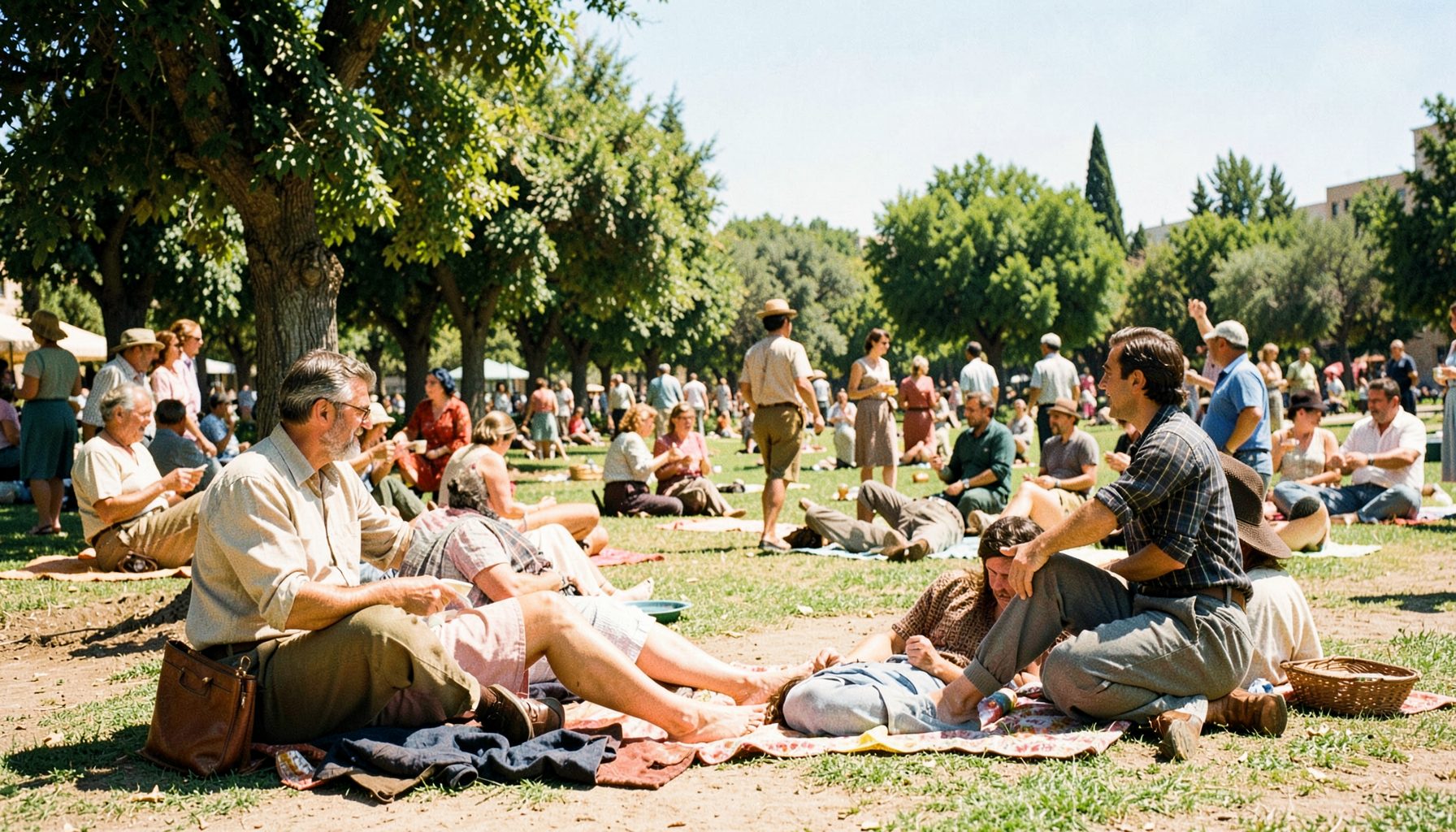
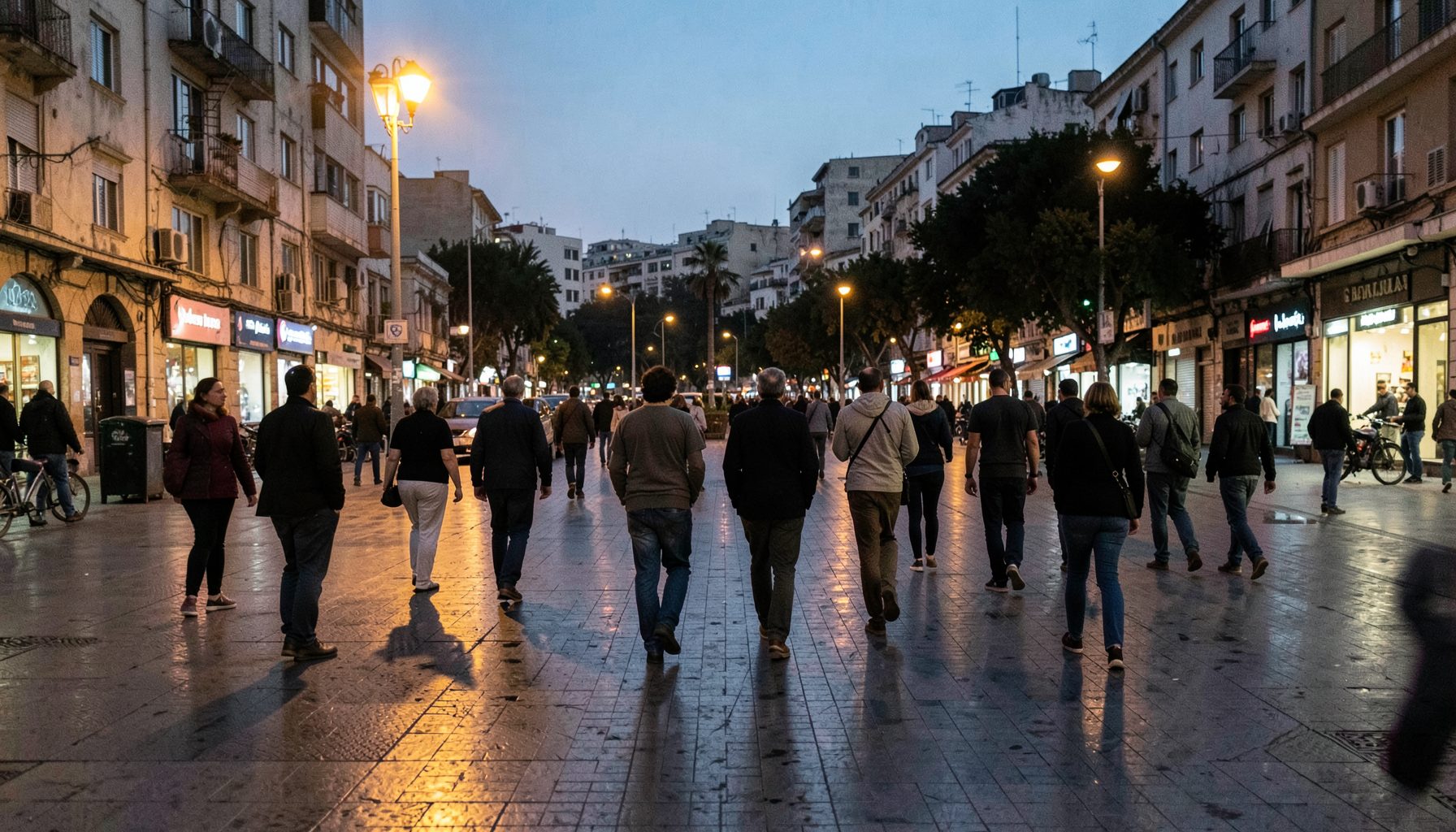
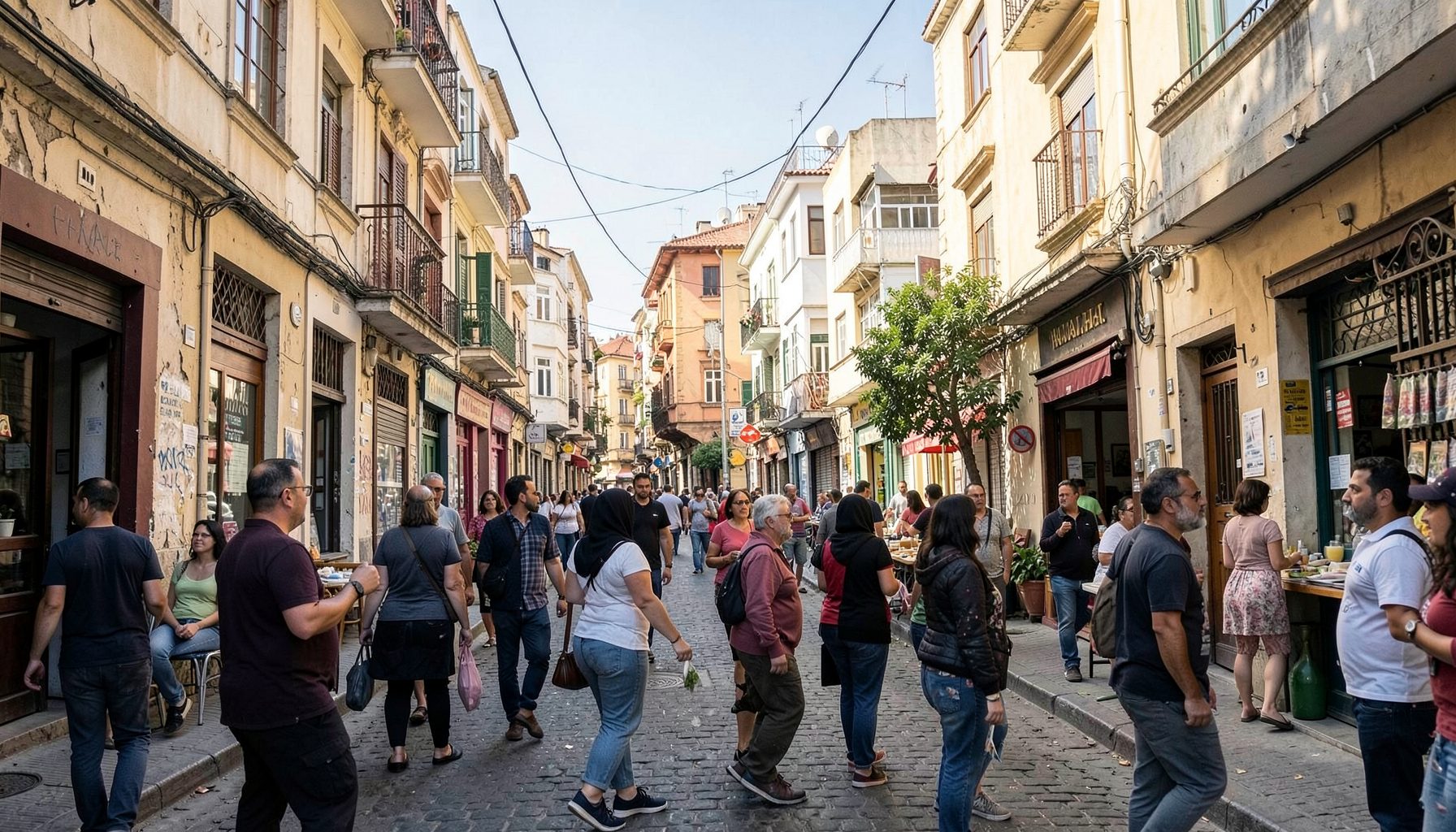
Independence Day falls in spring, and Shagrir’s sequences reflect the temporary transformation of ordinary places. People arrive with chairs and food; officials occupy formal platforms; roads become routes for procession and movement. The camera catches the overlap between the planned programme and the unscripted business of celebration. Such details often disappear from official summaries, yet they show how large historical events are inhabited.
The perspective offered by Deepali Gupta’s site provides a contemporary point of comparison for readers examining how images become arguments about identity. In Australian terms, people may call 26 January “the big day”, speak of a “BYO” lunch or a “barbie”, and recognise civic ceremonies alongside council events, school assemblies and neighbourhood parties. These expressions do not make the traditions equivalent; they reveal the ordinary language through which public memory is organised.
The strongest comparison is therefore between mechanisms of commemoration rather than a claim that the celebrations mean the same thing. ANZAC Day, with its dawn rites, memorials and commemorative marches, offers a closer emotional parallel to Israel’s mixture of pride and mourning; Australia Day offers a closer structural parallel to the celebratory side of Yom HaAtzmaut. Australia Day also carries public debate about colonisation and First Nations perspectives, demonstrating how commemorations can unite and contest belonging at the same time.
Documentary evidence and ethical attention
Shagrir’s wider body of work reminds us that photographs are selections from a documentary practice rather than isolated objects. His prison-system documentary examines institutions, confined bodies and the distance between official policy and lived experience. That subject does not establish what every Independence Day photograph contains, but it reveals a recurring concern with how public authority is represented and how people are positioned before the camera.
This concern changes how the celebration images are catalogued and exhibited. Names, roles, consent, translations and publication circumstances matter, especially when photographs celebrate collective identity. A caption should distinguish a participant from a passer-by and an official from an organiser. It should also identify later cropping or reproduction when known, allowing editorial intervention to remain distinguishable from the original historical record.
Australian collections operate within a practical market of public libraries, university archives, museums and rights-cleared publishers. Institutions such as Canberra’s National Film and Sound Archive or State Library Victoria provide discovery pathways, conservation standards and exhibition space, while commercial galleries and print publishers sell reproductions under their own licensing terms. Researchers must therefore understand access, image rights and community expectations alongside the pursuit of a high-resolution file.
A careful workflow for using the collection
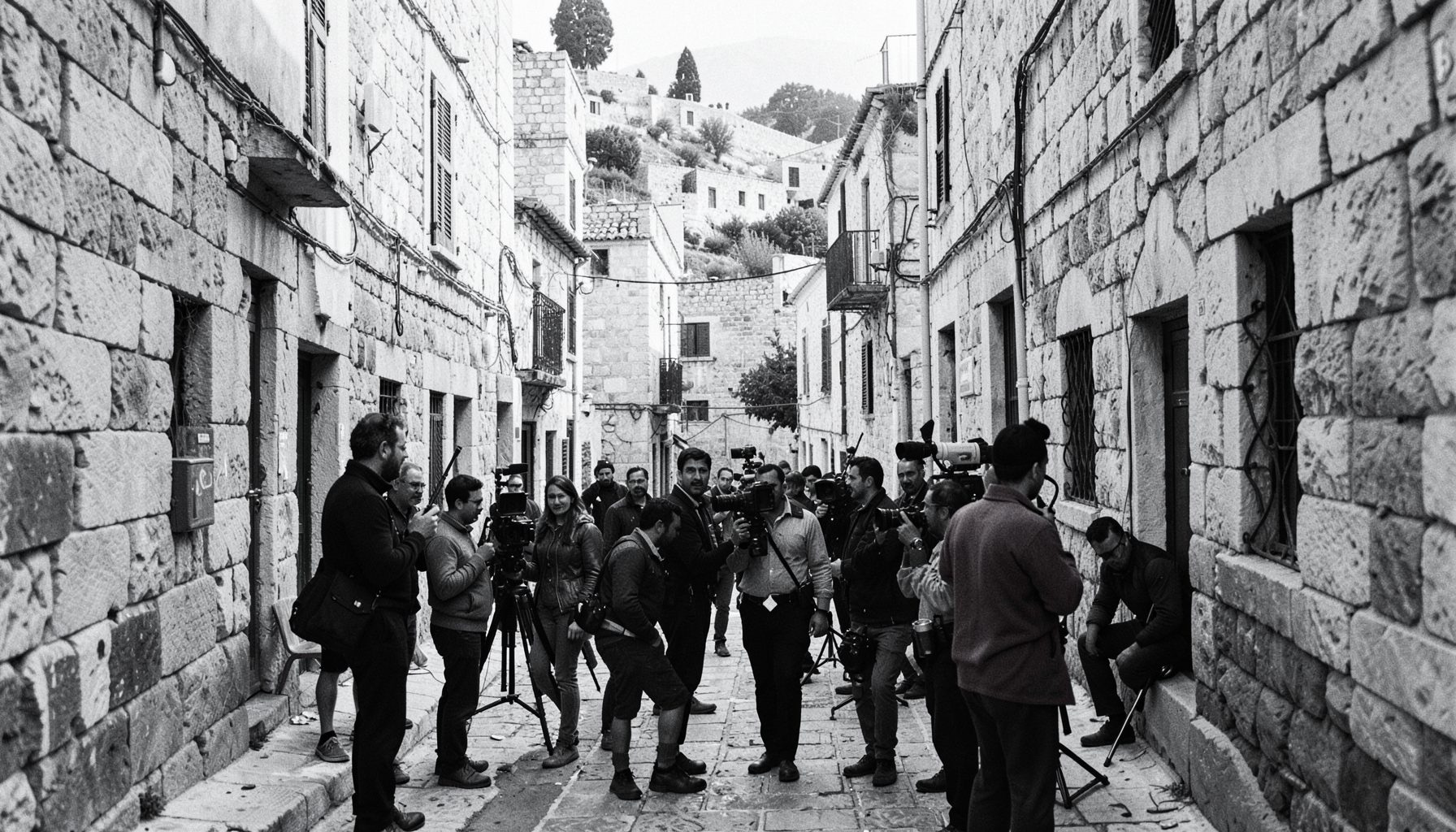
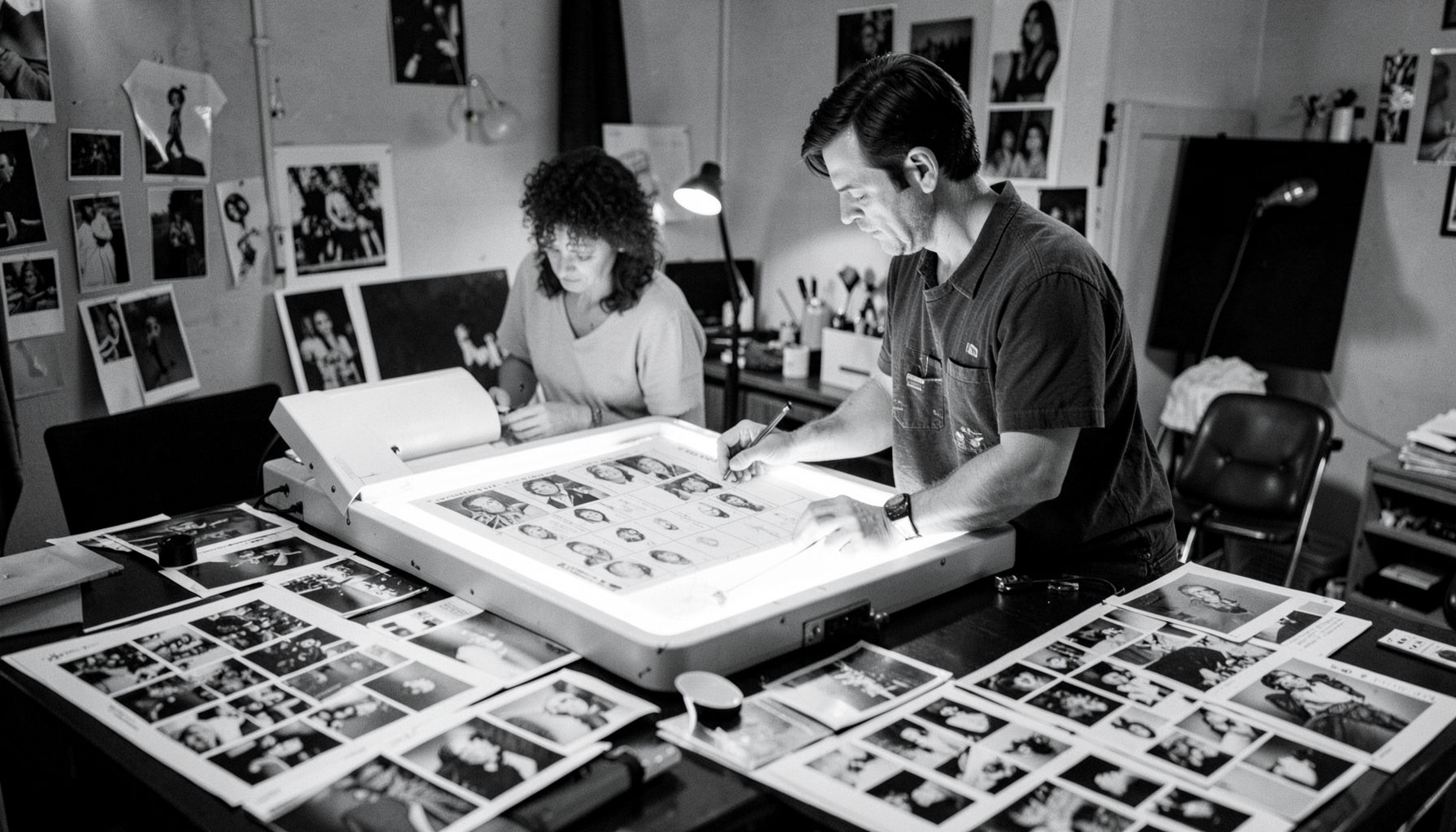
Production context can correct assumptions embedded in a finished photograph. The behind-the-scenes account shows why filming and editing decisions matter; the same principle applies when sequencing still images. The order of Shagrir’s prints, the choice between a close view and a crowd scene, or the addition of a caption can shape an interpretation even when the original negative remains unaltered.
A responsible workflow can keep visual spectacle connected to documentary evidence:
- Verify the date, location and occasion against catalogue entries before citing a photograph.
- Compare ceremonial views with candid crowd scenes and prints from the same sequence.
- Set official programmes, newspapers and maps beside the images to identify symbols, routes and speakers.
- Record caption wording, cropping and reproduction history as part of the image’s metadata.
- Credit the Shagrir Collection and preserve links to the relevant catalogue records.
| Dimension | Shagrir’s 1950s celebration record | Australian comparison |
|---|---|---|
| Calendar and meaning | Yom HaAtzmaut on 5 Iyar combines statehood, sacrifice and national renewal | Australia Day on 26 January is primarily celebratory, while ANZAC Day on 25 April centres remembrance |
| Civic setting | Parades, civic squares, rural settlements and neighbourhood gatherings | Canberra ceremonies, council events, showgrounds, parks and backyards |
| Public symbols | Flags, military units, bands, songs, dances and decorated streets | Flags, community banners, bands, barbecue traditions and sporting crowds |
| Everyday character | Food, clothing, chairs and informal movement share the frame with officials | Picnics, children’s activities, local performers and neighbourhood gatherings |
| Memory and evidence | Negatives, prints and captions require provenance to avoid turning individuals into symbols | Digital copies, archival descriptions, copyright and community perspectives also shape access and interpretation |
Read together, these photographs show nation-building as a lived public process. Shagrir captured official ceremony and ordinary neighbourliness within the same visual field, preserving how people in the 1950s entered a new public culture. Their value lies in that combination: evidence of collective identity, a record of photographic judgement and a means of examining how celebrations become historical memory.