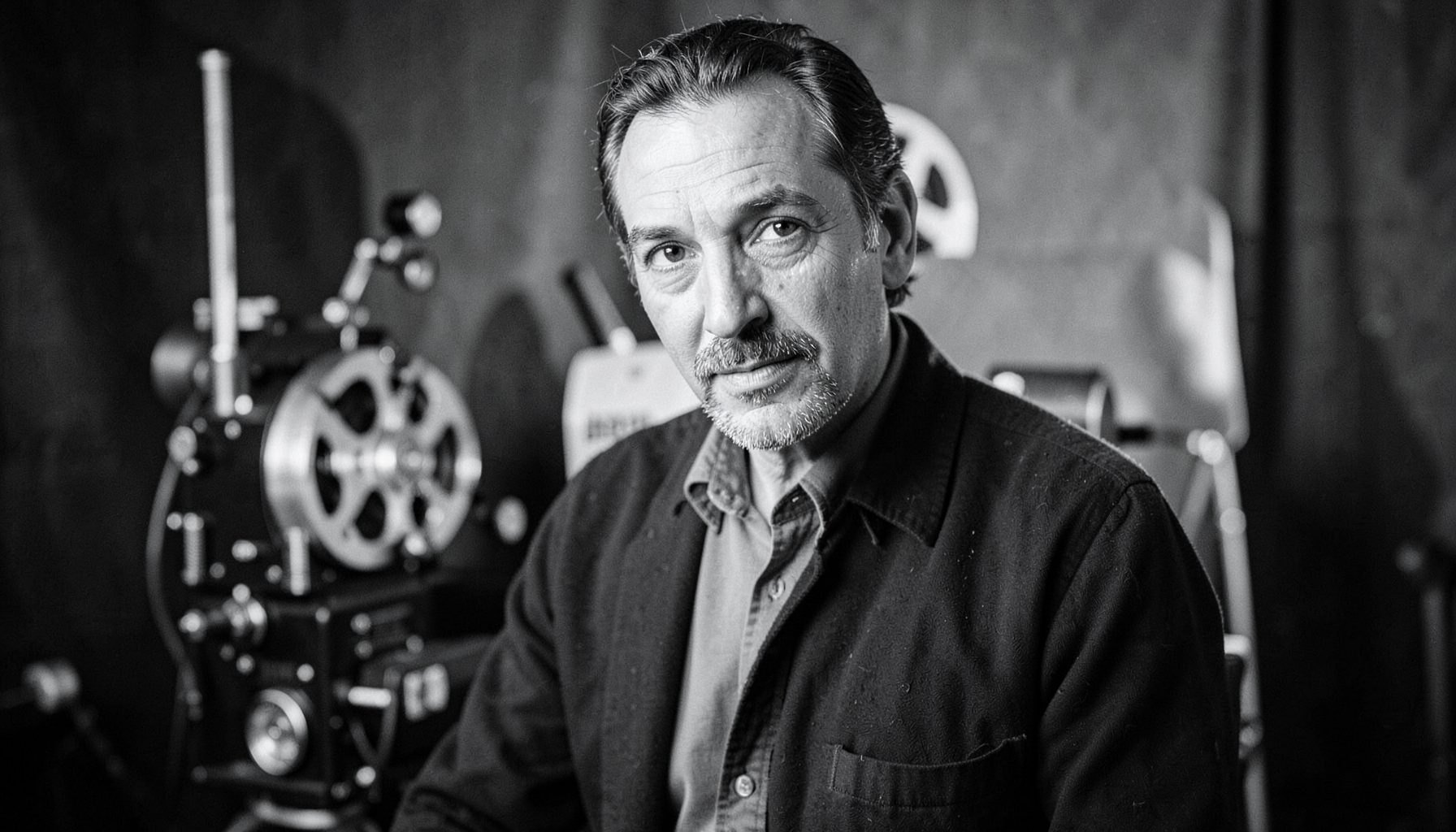

From Magazine to Monitor: Shagrir’s Influence on This Is the Time
Micha Shagrir’s career sits at the meeting point of journalism, documentary film, photography and television. His work shows how a media maker can move between formats without abandoning the habits of observation, verification and public storytelling that define serious reporting.
That movement is especially useful when considering This Is the Time. Rather than treating the programme as an isolated television product, the Shagrir Collection allows viewers to read it as part of a wider shift from printed magazine culture to screen-based reporting. Drafts, photographs, film materials and production records reveal the editorial thinking behind that transition.
An Archive Built Around Media Movement
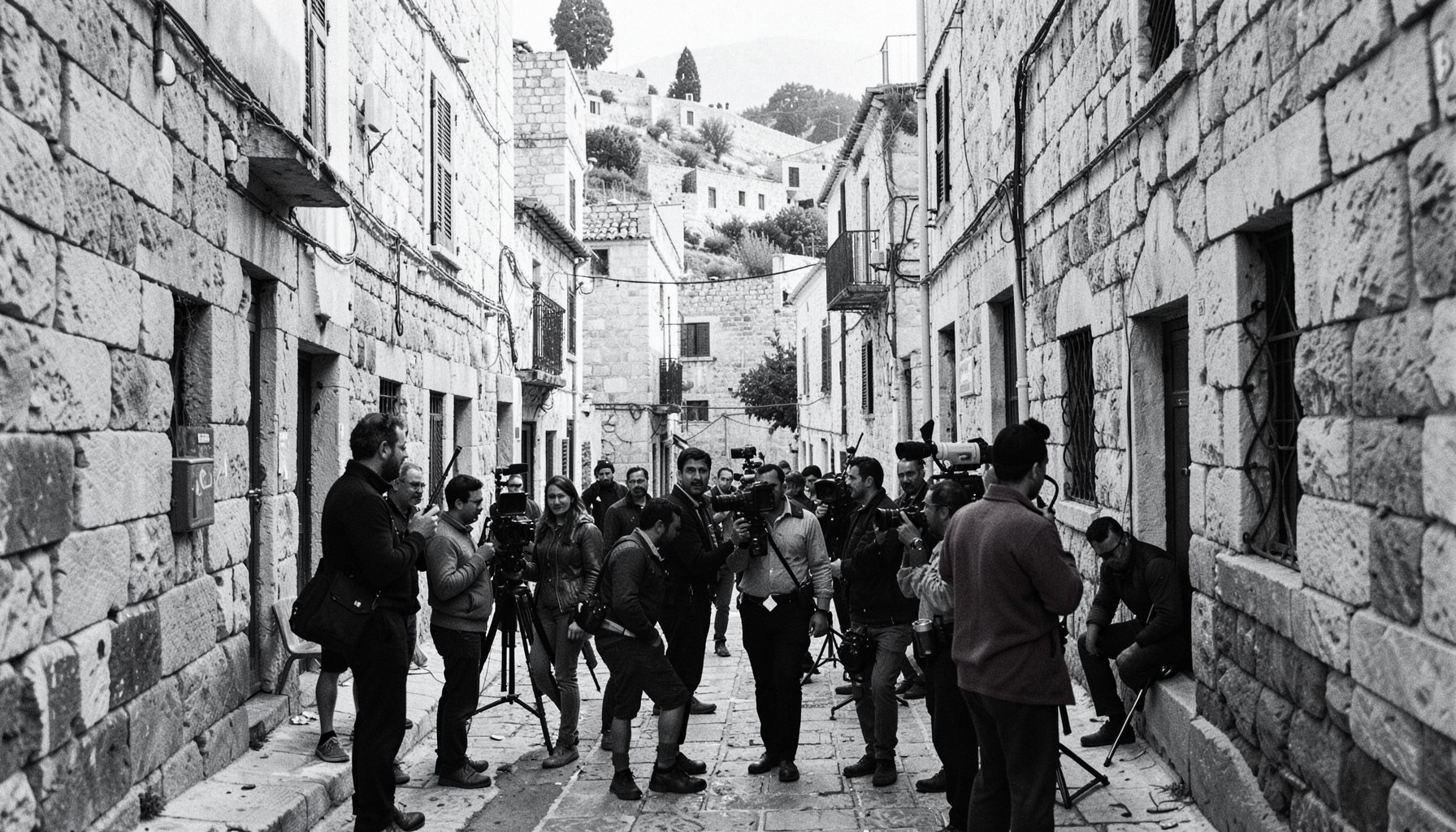
Magazine journalism depends on selection. A reporter decides which image, quotation or document deserves space on the page, while an editor creates an order that guides the reader. Shagrir carried this discipline into visual media, where editing, framing, voice-over and sound became equivalent forms of emphasis.
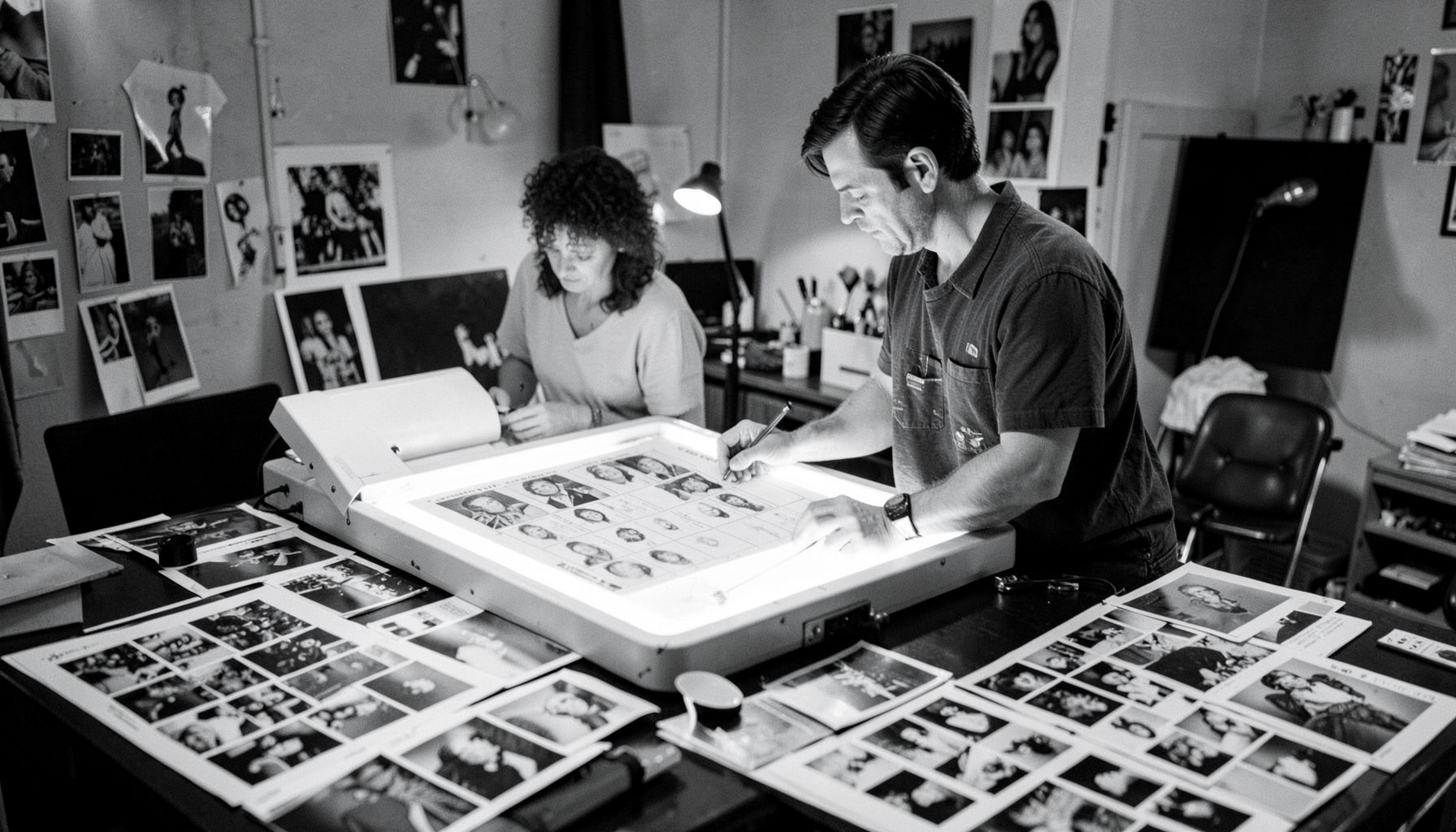
The collection is valuable because it preserves more than finished films. Negatives, prints, recordings, papers and personal photographs can show how a story developed before it reached an audience. For researchers examining This Is the Time, this broader context helps identify the working methods that survived the change from page layout to television monitor.
In Australia, this kind of transition can be compared with the history of current-affairs television on the ABC and SBS. Programmes that began with the tone of a weekly magazine often adopted faster editing and more immediate images as broadcast technology changed. Shagrir’s record offers a parallel example from Israeli media history.
The Magazine Mindset On Screen
A television magazine needs variety, but variety without structure quickly becomes noise. Shagrir’s influence can be understood through the careful relationship between short items, interviews, field footage and connective commentary. Each element has a distinct role, yet the sequence gives the viewer a larger argument about the moment being documented.
This approach also respects the intelligence of the audience. Instead of relying only on dramatic scenes, the magazine-to-monitor form can place ordinary people, political events and social tensions within the same frame. It creates a layered account, closer to a visual newspaper than to entertainment television.
That structure remains familiar to Australian viewers who move between nightly news, long-form current affairs and online video explainers. A story watched in Melbourne or Perth may now be consumed on a phone during a commute, yet its effectiveness still depends on the same editorial questions: what belongs together, what requires context and whose experience has been left out.
Political Memory And Editorial Responsibility
Shagrir worked in a media environment shaped by conflict, national formation and competing accounts of history. In such circumstances, filming is never a neutral act. The decision to preserve a face, a street, a military setting or a private conversation can influence how later generations understand public events.
The importance of This Is the Time therefore lies in its relationship to evidence. Its magazine form could respond to current events, while the archive gives later viewers the chance to examine how those events were framed. This distance is essential: a broadcast may reflect the assumptions of its period, while surviving production materials can expose omissions, revisions and editorial choices.
Australian researchers will recognise a similar concern in the treatment of wartime records, migration stories and Indigenous history. The National Film and Sound Archive in Canberra, state libraries and university collections all face the task of preserving material whose meaning changes as public knowledge develops. Archival access does not erase bias; it makes the process of examining bias possible.
Lost Footage And The Value Of Fragments
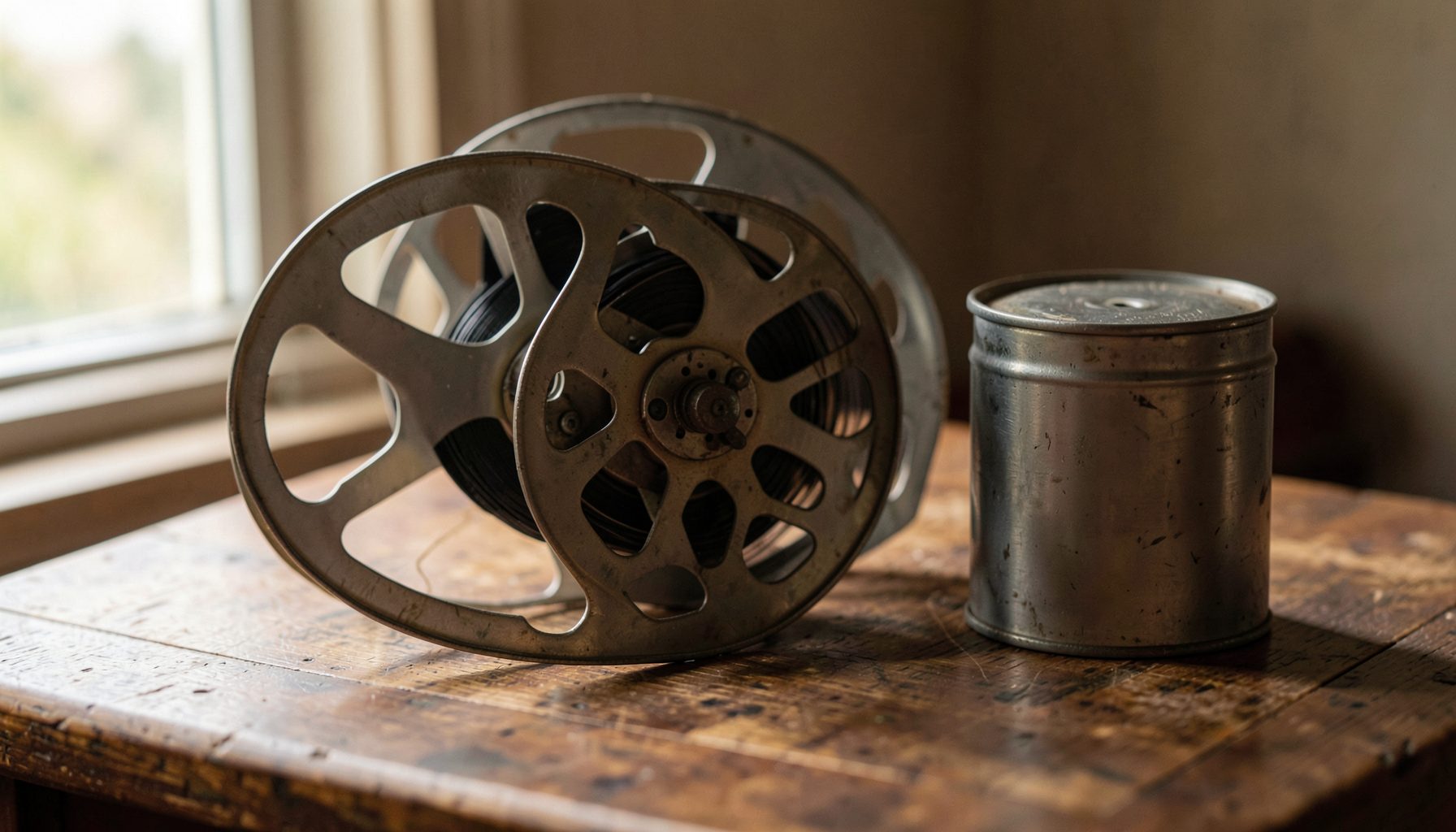
The history of film is often reconstructed from incomplete evidence. A missing reel, an uncatalogued photograph or a damaged soundtrack can change the story of how a production was made. Shagrir’s role in preserving and shaping documentary material becomes especially significant when the surviving record is uneven.
The collection’s account of the lost footage story illustrates why fragments matter. Even when a complete work is unavailable, related papers, still images and recollections can reveal production decisions, working relationships and the conditions under which a film reached its audience.
This is relevant to Australian screen culture, where early television material has sometimes survived only in excerpts, newspaper reviews or private recordings. A programme taped on a household VCR in Adelaide may become an unexpected historical source decades later. Preservation is therefore both a technical task and a form of cultural memory.
A Field Of Comparisons
Shagrir’s documentary practice can also be considered alongside records of military administration and everyday power. Visual reporting frequently moves between official structures and the people affected by them, making location and procedure part of the story rather than background detail.
A useful comparative resource is this field stockades account, which demonstrates how military spaces can be documented through institutional records and historical interpretation. It is not a substitute for Shagrir’s work, but it helps clarify why details of place, authority and testimony matter when analysing political media.
For Australian audiences, the comparison may resonate with the way military history is presented at places such as the Australian War Memorial in Canberra. Exhibitions, interviews and official documents can tell related stories from different positions. Shagrir’s influence is strongest when the screen encourages viewers to notice those positions rather than accept a single, seamless version of events.
Copyright, Access And Public Use
An archive can be rich and still remain difficult to use if rights information is unclear. Researchers, teachers, journalists and filmmakers need to know whether an image may be reproduced, whether a clip requires permission and how attribution should be handled. Clear copyright practices turn preservation into practical access.
The Shagrir Collection’s copyright guidance is therefore part of its historical function. It helps distinguish viewing, research, quotation and republication, which is particularly important when primary sources circulate online. In Australia, these questions intersect with the Copyright Act 1968, educational copying rules and licensing arrangements used by broadcasters and collecting institutions.
Digital access also changes audience expectations. A student in Brisbane may assume that an image visible on a website can be placed in a presentation, while a production company in Sydney may need commercial clearance for the same material. Explaining rights protects creators and makes responsible scholarship easier.
Films As Primary Sources
Finished films should be read as historical documents, not merely as illustrations of history. Camera position, pacing, narration, interview selection and sound design all communicate ideas. Shagrir’s work can be studied for what it shows, how it shows it and what remains outside the frame.
The collection’s film archive supports this kind of close reading. Viewed alongside photographs, documents and biographical material, the films become part of a network of sources. A sequence that appears spontaneous may reflect extensive preparation; a quiet image may carry more historical weight than a dramatic statement.
This method has practical value in Australian classrooms and research settings. Students comparing a documentary with newspaper coverage can identify differences in emphasis and tone. Festival programmers, curators and local historians can also use the material to connect Israeli media history with wider questions about testimony, national identity and visual evidence.
Preserving A Working Method
Shagrir’s influence on This Is the Time can be understood as a working method: observe closely, connect the personal with the political, edit with purpose and preserve the material behind the finished programme. That method explains why an archive can illuminate television even when it contains more than television.
The shift from magazine to monitor was technological, yet its deeper change was editorial. Print encouraged a pause and a return to the page; television introduced voice, movement and the authority of the filmed moment. Shagrir’s career demonstrates that strong visual journalism can carry the discipline of both forms.
| Media form | Main strength | Archival question |
|---|---|---|
| Magazine page | Context and deliberate sequencing | Which images and words shaped the reader’s interpretation? |
| Television magazine | Movement, voice and immediacy | How did editing turn separate items into a public narrative? |
| Documentary film | Sustained observation and testimony | What does the camera reveal, and what does it omit? |
| Digital archive | Broad access and cross-referencing | Can users verify provenance, rights and original context? |
Principles For Reading The Collection
- Treat photographs, papers and recordings as evidence of production, not only as supporting material.
- Compare finished programmes with contemporary newspapers and public records.
- Note how editing, narration and camera position shape political meaning.
- Check copyright status before reproducing images, clips or documents.
- Preserve local copies and accurate metadata when using digital archival sources.
- Connect Israeli media history with Australian debates about public broadcasting, war records and cultural memory.
The enduring value of the Shagrir Collection is its ability to keep these questions open. It presents a filmmaker’s legacy while also showing how journalism changes when its tools change. Through that lens, This Is the Time becomes part of a larger history of public storytelling, moving from the printed page into the living, contested space of the screen.