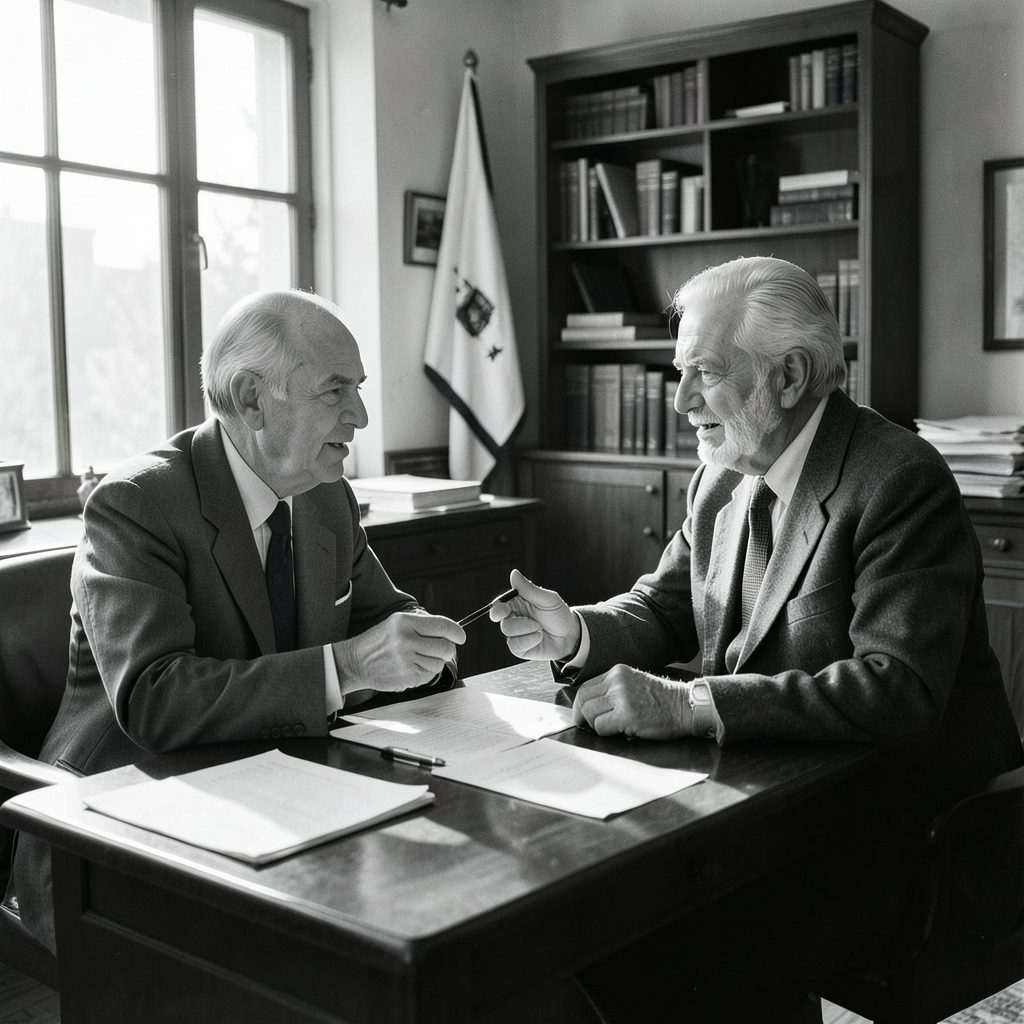
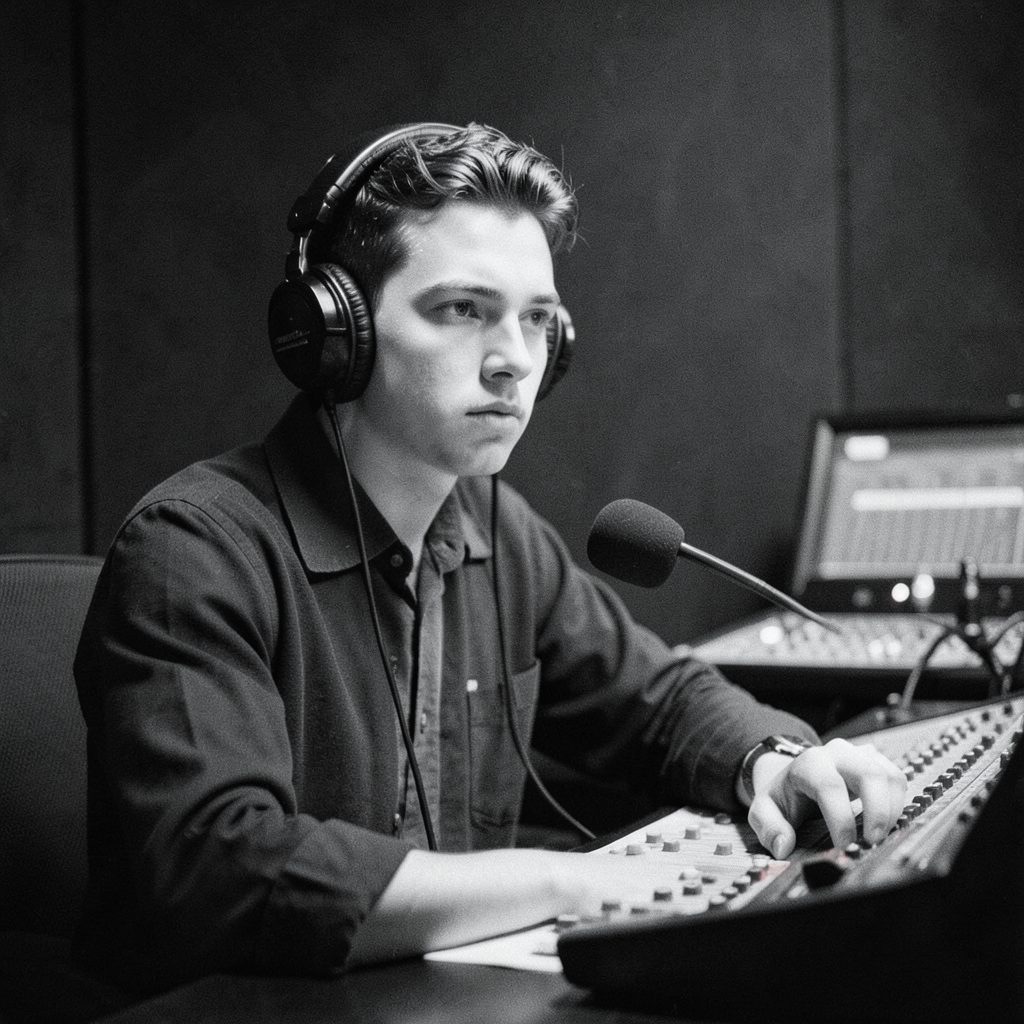
Schools engaging with Shagrir's primary sources in history class
Classrooms worldwide are moving away from textbooks as the sole gateway to the past, and the Shagrir Collection sits at the heart of this shift. Its holdings, drawn from filmmaker, photographer and journalist Micha Shagrir, give students direct access to documents, negatives, films and recordings that shaped twentieth-century Israel. For teachers seeking material grounded in evidence rather than narrative summary, the archive offers a rich vein of raw historical material.
In Australia, where the national curriculum emphasises historical inquiry and source analysis, the appetite for authentic archival material is growing steadily. Schools in Melbourne, Sydney, Brisbane and regional centres have begun building partnerships with international archives to deepen student engagement. The collection's online accessibility allows remote learners to interrogate photographs, listen to period recordings, and study journalistic work without leaving their classrooms.
What makes the collection valuable for educational use is its breadth. From documentary footage of early statehood to intimate portraits of political figures, the materials span genres and decades. Its commitment to preservation, explained on the About the collection page, also serves as a useful case study in how archives are maintained.
Why primary sources matter in modern classrooms
The shift toward document-based learning reflects a wider recognition that historical thinking requires direct contact with evidence. Students who only read summarised accounts often struggle to distinguish interpretation from fact, a problem that becomes more pronounced as they encounter misinformation in everyday media. Working with originals or high-quality reproductions forces learners to ask questions about authorship, context and audience that textbook study rarely prompts.
Australian schools have embraced this approach partly because the national curriculum frames history as an evidence-based discipline. Year 9 students, for instance, are expected to analyse sources for perspective and reliability, while senior secondary subjects rely heavily on primary material. Local institutions such as the State Library of Victoria, the National Archives of Australia in Canberra, and university special collections in Melbourne and Perth have helped normalise archival work as part of school practice.
The Shagrir Collection extends this tradition by bringing an international perspective into Australian classrooms. Its materials cover political, military and social history in ways that complement existing resources on the Middle East, the Cold War and post-colonial transitions. Teachers looking to globalise their units can draw on the archive to add depth while meeting local syllabus requirements.
Bridging history and media literacy
Shagrir worked across several media simultaneously, and his archive mirrors that versatility. Photographs, documentaries, newsreels and audio recordings coexist in the holdings, offering educators a chance to teach media literacy alongside historical content. Students can examine a single image for framing and composition, then compare it with written commentary or spoken reflection to understand how different formats shape meaning.
This is a particularly Australian concern. SBS has long championed critical viewing skills, and media studies remains a popular senior subject in many states. Schools that combine history and media programs can use Shagrir's footage to illustrate techniques such as editing for propaganda versus documenting for evidence, meeting syllabus expectations across two disciplines at once.
Engaging with the collection also invites students to consider the ethics of representation. Who gets photographed, who remains outside the frame, and how does a filmmaker's choice of subject reflect broader political pressures? These questions resonate strongly with Australian debates about how Indigenous communities, asylum seekers and minority groups have been portrayed in local media, giving students a richer comparative framework.
Partnership models for Australian schools
Several partnership structures have proven workable for schools engaging with international archives. Some institutions negotiate blanket access agreements, others establish research projects that produce annotated finding aids, and a third model involves teacher-led professional development with visiting archivists. Australian schools often blend these approaches rather than committing to a single arrangement.
A teacher in Melbourne might begin by using online resources for a single unit on the establishment of Israel, then progress to a more sustained partnership if engagement warrants it. The online accessibility lowers the barrier to entry considerably, since no travel or specialised equipment is required to begin exploring the holdings.
Schools with limited resources, including many in regional areas, benefit particularly from remote access arrangements. A Year 10 class in Townsville or Launceston can engage with the same materials as a city school, provided teachers receive adequate preparation. Clear metadata and contextual essays help bridge the expertise gap that often limits rural engagement with archival work.
Working with archival photography
Photographs in the collection range from press images to personal portraits, inviting close reading in ways that casual viewing rarely allows. Educators can guide students through questions of composition, lighting, publication context and cropping, showing how an image's meaning shifts depending on how it circulates. This kind of exercise builds the visual analysis skills now embedded across the Australian curriculum.
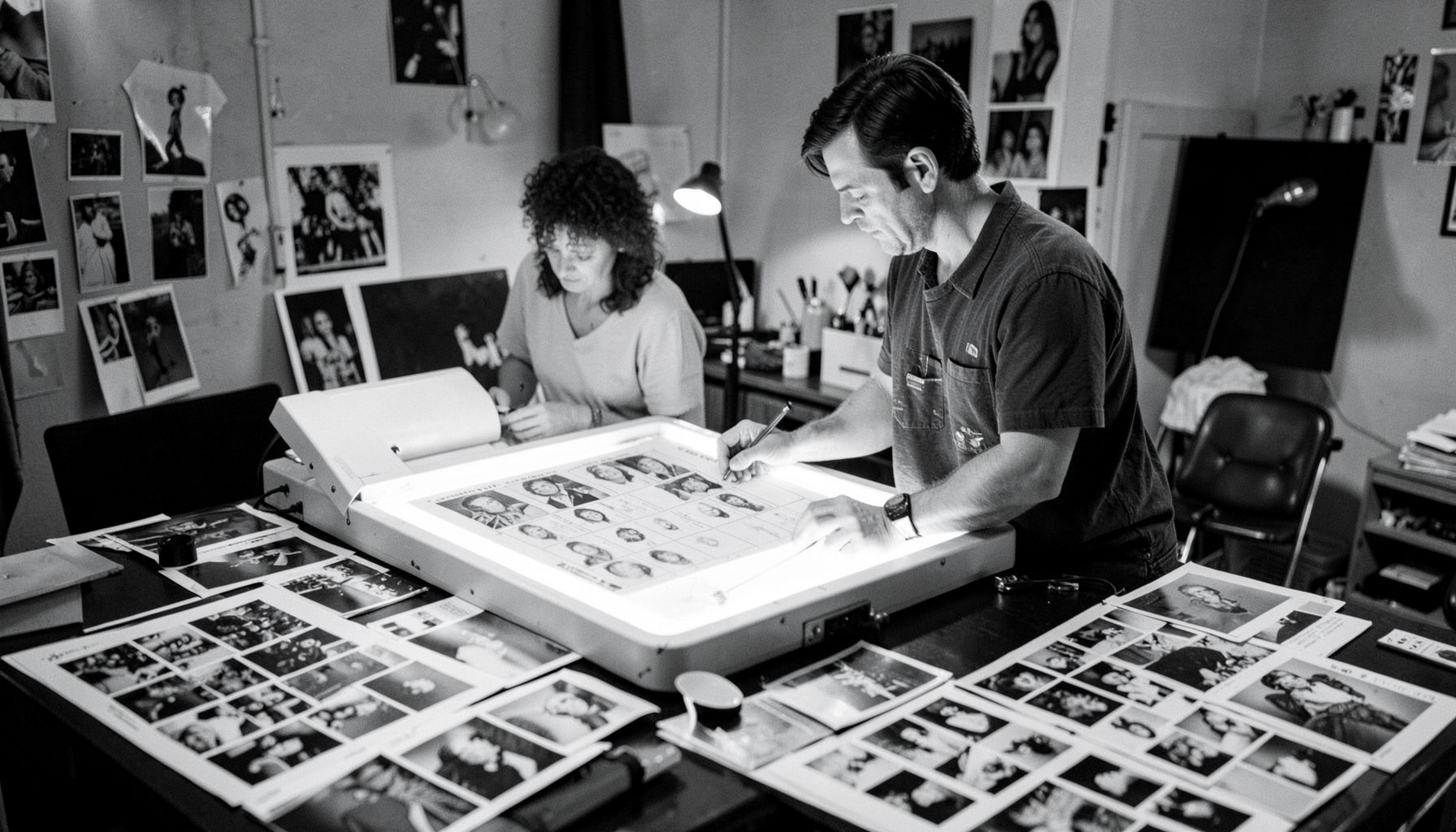
Students also benefit from learning about the production process itself. Shagrir's negatives and contact sheets reveal decisions made before a photograph reached publication, exposing the constructed nature of even documentary images. Comparing published prints with original negatives opens discussions about editorial intervention, censorship and the politics of visibility.
The collection's commitment to preserving technical metadata, including camera type, film stock and development processes, offers opportunities for cross-curricular work with science and art teachers. Photography students can examine the archive to study technique, while science classes can discuss optics, chemistry and the transition from analogue to digital capture.
Decoding audio history through reel-to-reel recordings
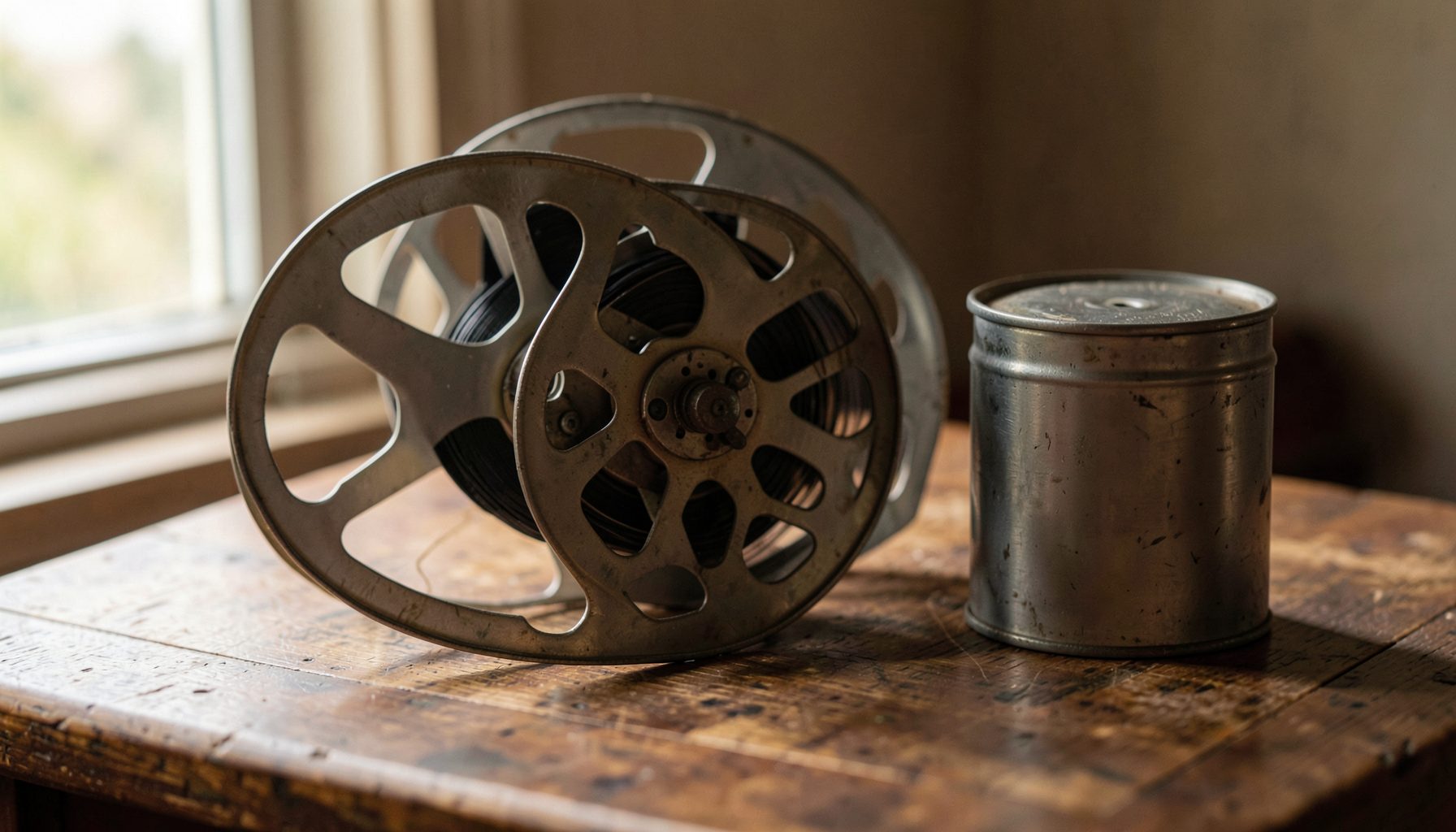
Audio archives introduce students to a less familiar dimension of historical inquiry. The collection's sound recordings, originally captured on reel-to-reel tape, carry ambient noise, pauses and editorial decisions that written transcripts flatten entirely. Listening carefully, students can detect tone, hesitation and atmosphere, building empathetic understanding alongside factual recall.
The technical challenges of preserving such material make an instructive teaching topic in their own right. The work involved in restoring reel-to-reel recordings demonstrates how sound archives require ongoing investment, specialist equipment and trained engineers. For students accustomed to streaming audio, the fragility of magnetic tape offers a striking contrast and an opportunity to discuss cultural heritage preservation as a contemporary concern.
Classroom activities might include transcription exercises, comparative listening across interviews with the same subject, or analysis of broadcast excerpts against full recordings. Such tasks build active listening skills while grounding historical claims in audible evidence. Parallels to Australian radio archives held by the National Film and Sound Archive help students see local and international collections as part of a shared documentary heritage.
Ethical engagement with difficult histories
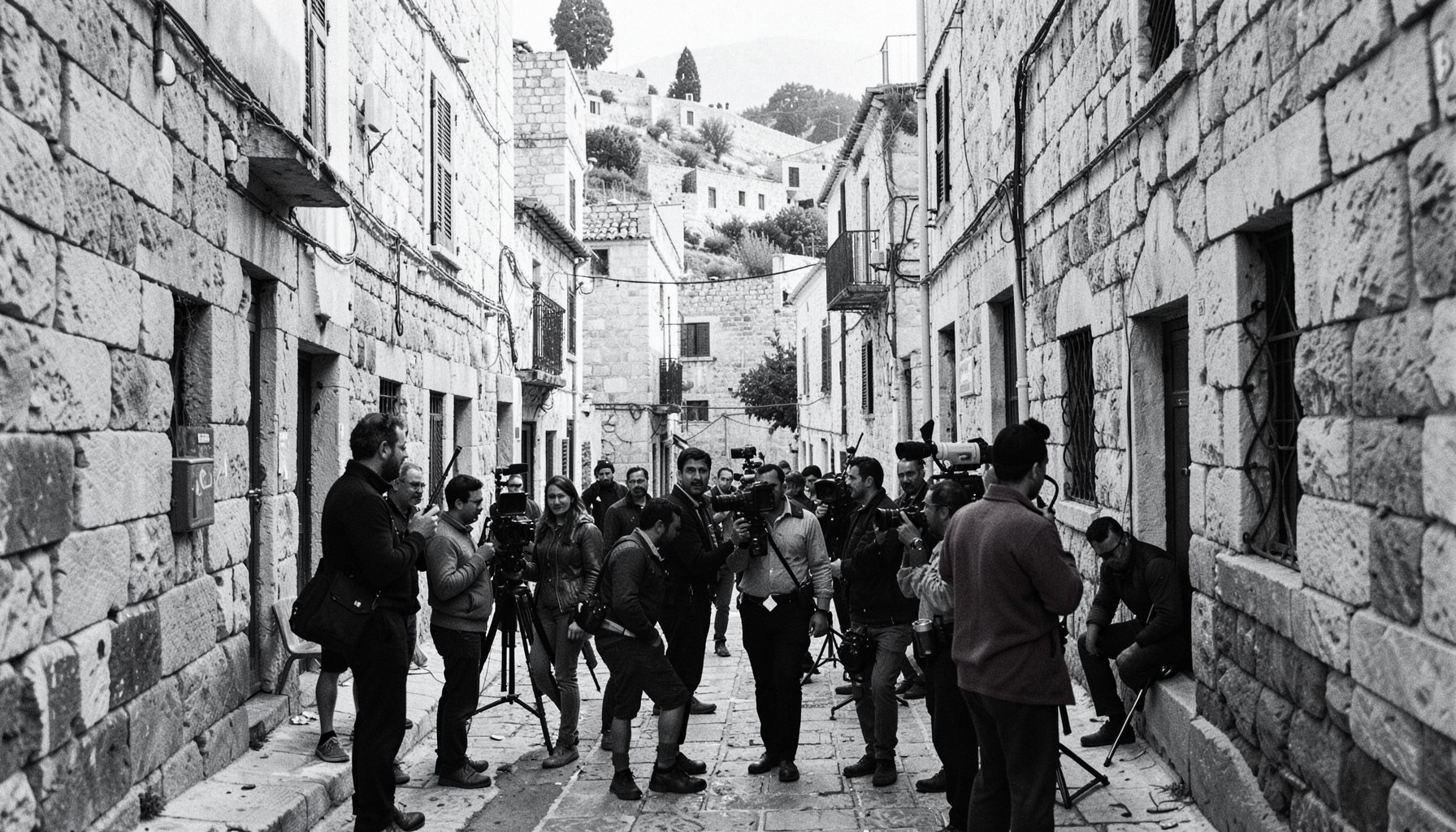
Some of the collection's holdings touch on contested events, including displacement, conflict and political transition. Materials related to the documentary on Palestinian villages exemplify the kind of source that requires careful pedagogical framing. Educators working with such material must consider student sensitivities, community perspectives and the limits of what a single archive can represent.
Australian schools have developed considerable expertise in handling difficult material, particularly around Indigenous histories and the Stolen Generations. Approaches developed locally, including community consultation protocols and the use of witness voices, transfer readily to international subjects. Teachers can apply these frameworks when engaging with Shagrir's footage, treating the archive as one perspective among many rather than a definitive account.
Students also benefit from learning that archives are shaped by those who create and maintain them. Discussions about what is included, excluded, mislabelled or under-described build critical sophistication. The collection's transparency about its holdings, gaps and curatorial choices makes it a productive site for such inquiry.
Teacher preparation and curriculum integration
Effective use of the collection depends on teachers feeling confident with both subject matter and archival methodology. Short courses run by state library education teams and university outreach programs have helped build this confidence, but gaps remain, particularly for newer teachers. The collection supports these efforts through ready-made lesson sequences, suggested source sets and introductory essays that reduce preparation time.
Curriculum mapping is another practical concern. Teachers need to identify where archival work supports existing assessment requirements rather than adding to crowded programs. Units on the establishment of Israel, mid-twentieth-century conflict reporting, media ethics and migration history all map readily onto the collection's strengths. Aligning source analysis with mandatory historical skills ensures archival engagement counts toward formal assessment.
Schools benefit when they share what they learn. Teacher networks and informal online communities offer spaces where educators can exchange lesson plans, flag useful holdings and warn colleagues about sources requiring careful handling. Building these networks around international archives helps ensure the resource reaches students regardless of which school they attend.
Practical steps for schools beginning archival work
- Start small with a single Year 9 or 10 unit, focusing on two or three high-quality sources rather than the entire collection
- Build in time for source analysis activities that directly address curriculum-mandated historical skills
- Partner with a local library, museum or university to access expert guidance and complementary materials
- Provide students with structured worksheets that scaffold their engagement with unfamiliar document types
- Treat ethical and contested sources as a teaching opportunity rather than avoiding them altogether
- Share lesson plans and reflections with colleagues through professional networks to extend the impact beyond a single classroom