
Ceremonial Lens: Inside Shagrir's Archive of Military Rituals
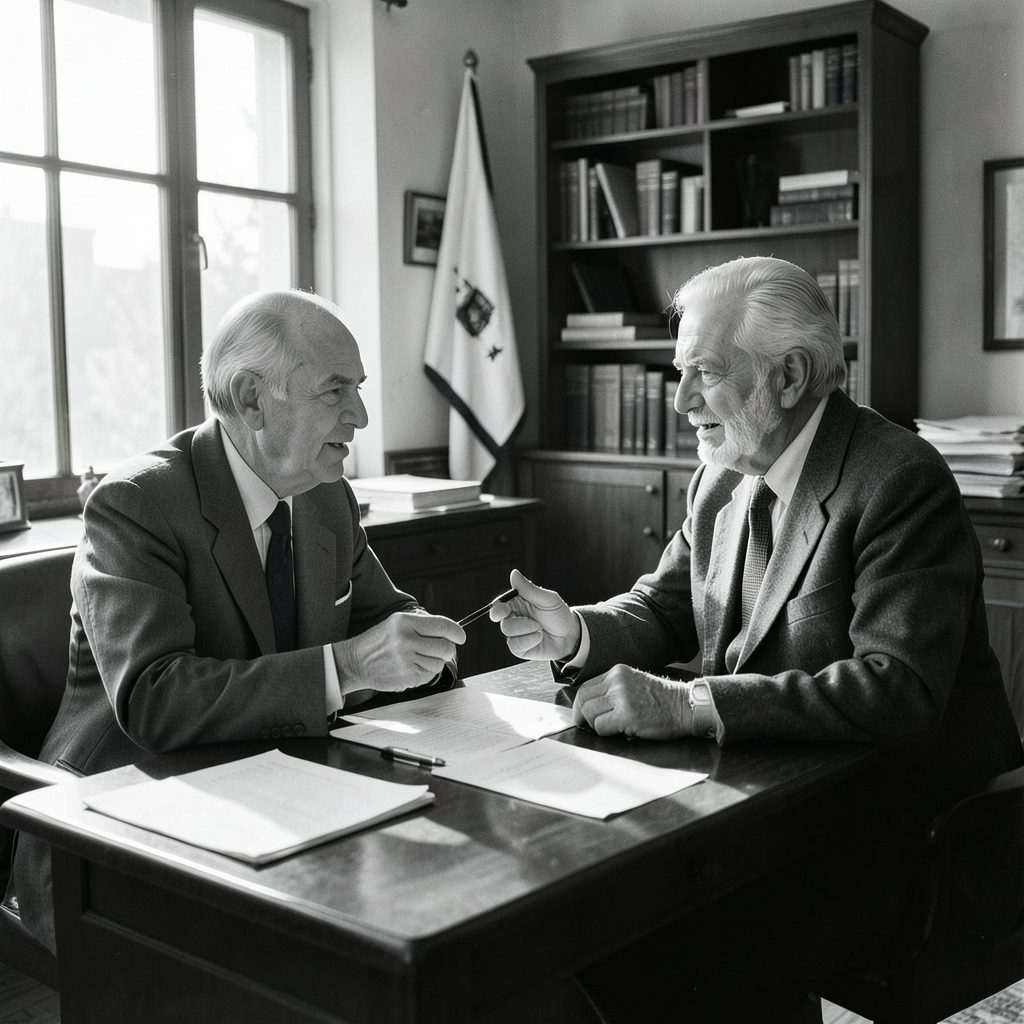
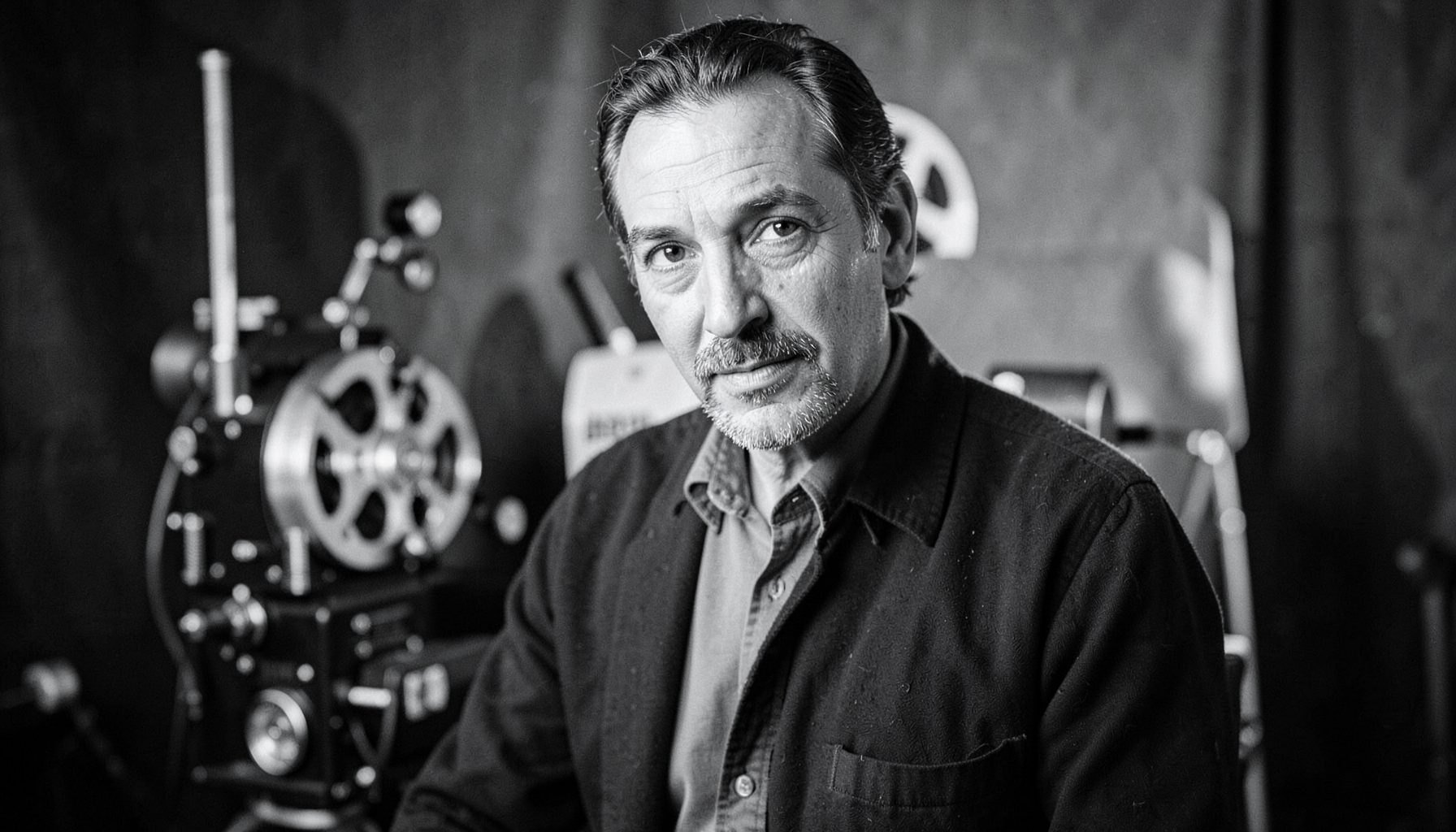
The Shagrir Collection holds thousands of frames documenting parades, military ceremonies, and state rituals from the mid-twentieth century onward. Many were captured by Micha Shagrir himself during his work as a photographer and photojournalist, while others arrived through donations and acquisitions. Together they form one of the richest visual records of how the young State of Israel performed its identity through choreographed movement, music, and public display. For researchers, the collection is a working archive: open, catalogued, and slowly being digitised through careful preservation grants. For the public, it is also an invitation to step into a moment when cameras were still relatively rare at official events.
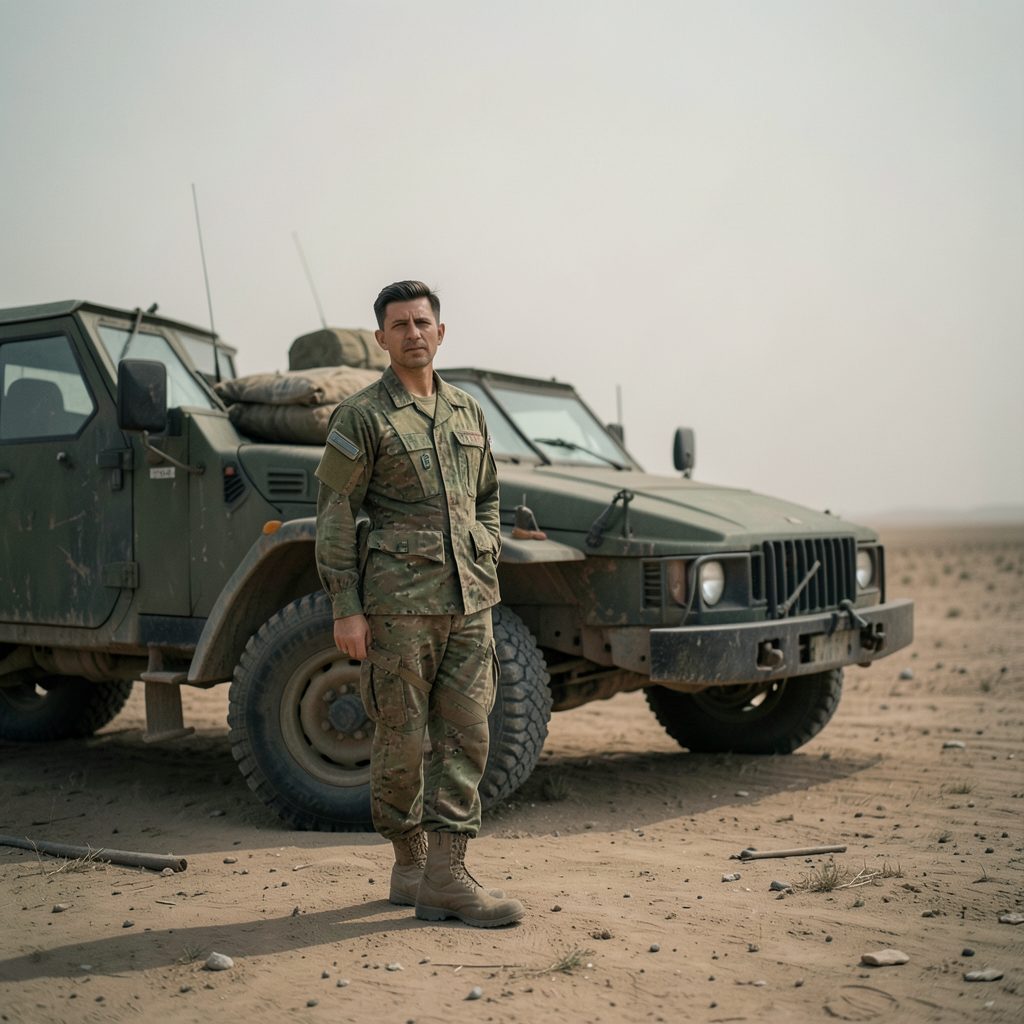
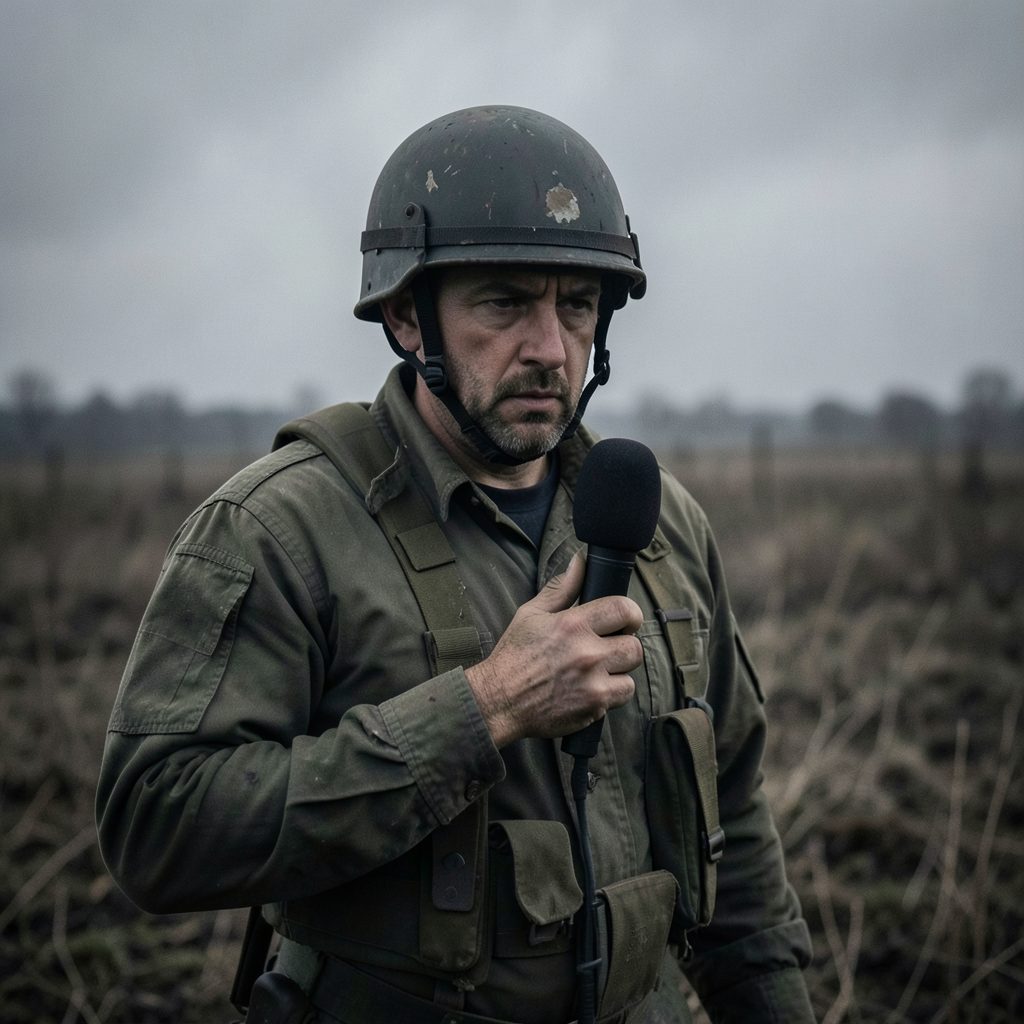
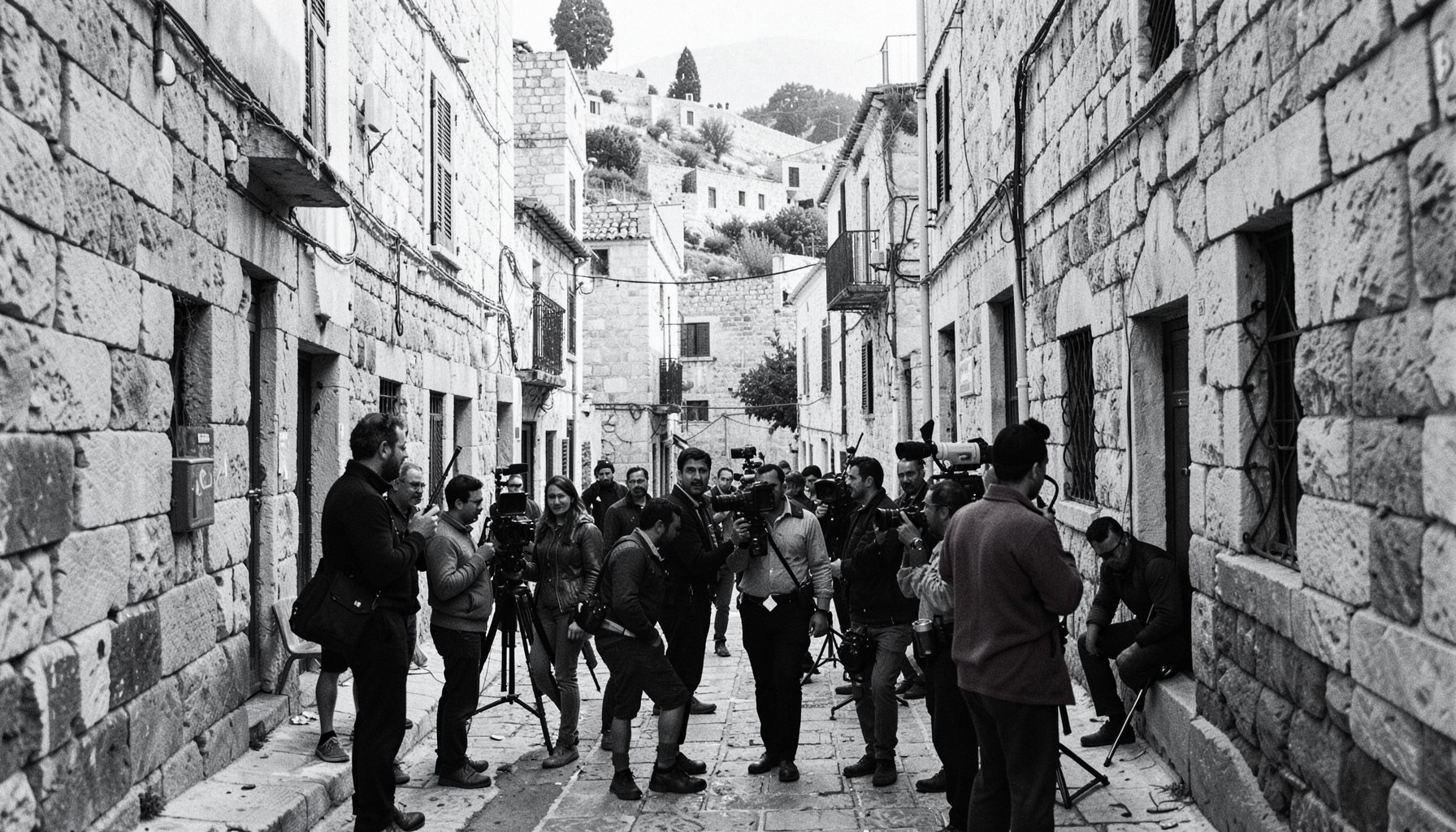
Ceremonial photography rarely feels neutral. Soldiers standing in formation, officers delivering speeches, flyovers trailing coloured smoke, and crowds lining city streets all carry coded meanings about belonging, sacrifice, and national purpose. Shagrir understood this visual grammar and positioned his camera with a documentary patience that allowed the smallest gestures to register. His lens lingered on the drape of a flag, the polished toe of a marching boot, the salute returned with the slightest delay. The resulting images read as both record and reflection, and they continue to be studied by scholars interested in the political anthropology of public ritual.
From an Australian vantage point, the parallel with local commemorative culture is hard to miss. ANZAC Day marches on 25 April still draw crowds to Martin Place in Sydney, to the Shrine of Remembrance in Melbourne, and to ANZAC Square in Brisbane. Each ceremony blends military pageantry with civilian grief and pride, producing the same density of symbolism found in the Shagrir frames. Looking across hemispheres, visitors to the Australian War Memorial in Canberra can trace a similar evolution from wartime reportage to postwar memorialisation. The visual habits of state ritual travel easily between nations, even when the historical contexts diverge sharply.
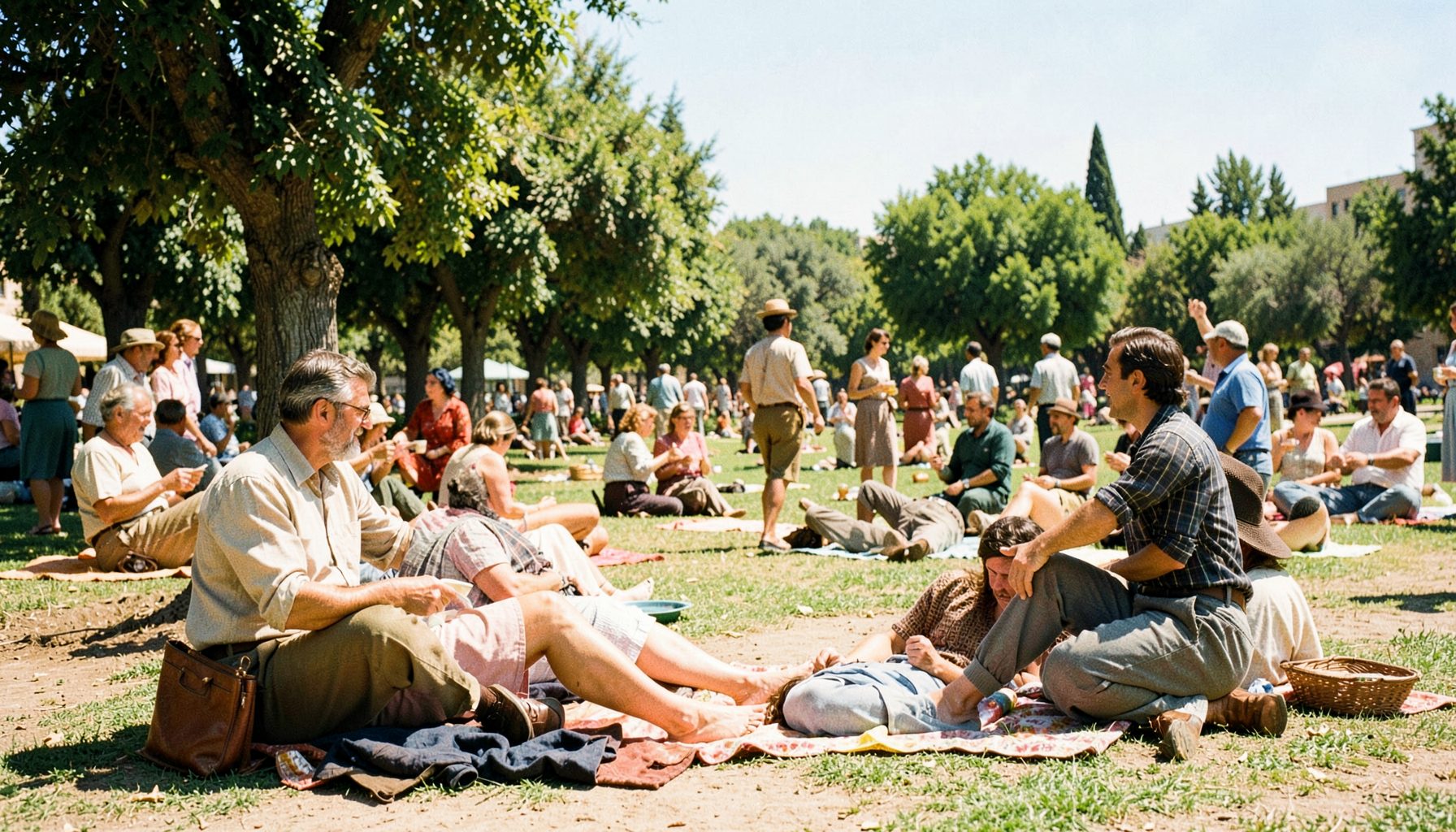
Researchers planning a visit can begin through the contact page for general enquiries, while the editorial team continues to publish reflective essays on related visual projects, including a piece on kibbutz life that sits alongside the ceremonial material and helps round out the collection's social history.
Reading the Frame: Photographic Language of State Ritual
A ceremonial photograph operates on several registers at once. It records who stood where, in what order, wearing which insignia, and it also captures the texture of light, the temperature of the crowd, the timing of a brass band's opening note. Shagrir's wartime and postwar work shows a steady hand across all of these registers. He rarely cropped dramatically, preferring frames that preserved the geometry of the parade ground or the full sweep of a reviewing stand. The effect is one of measured witness rather than spectacle, and it gives historians a way to reconstruct the choreography of a ceremony as it was actually performed.
This measured approach also allows the archive to serve comparative purposes. Israeli parades of the 1950s and 1960s can be set beside the later commemorative culture of countries like Australia, where the National Archives in Canberra hold extensive photo runs from Vietnam-era welcome-home marches and RSL-led commemorations. Scholars working across these collections often comment on visual similarities: the use of slow shutter speeds to blur regimental colours, the careful framing of widows and veterans, the recurring motif of the unknown soldier. Shagrir's frames participate in a transnational conversation about how states mourn and how they celebrate.
Material Traces: Negatives, Prints, and Reels
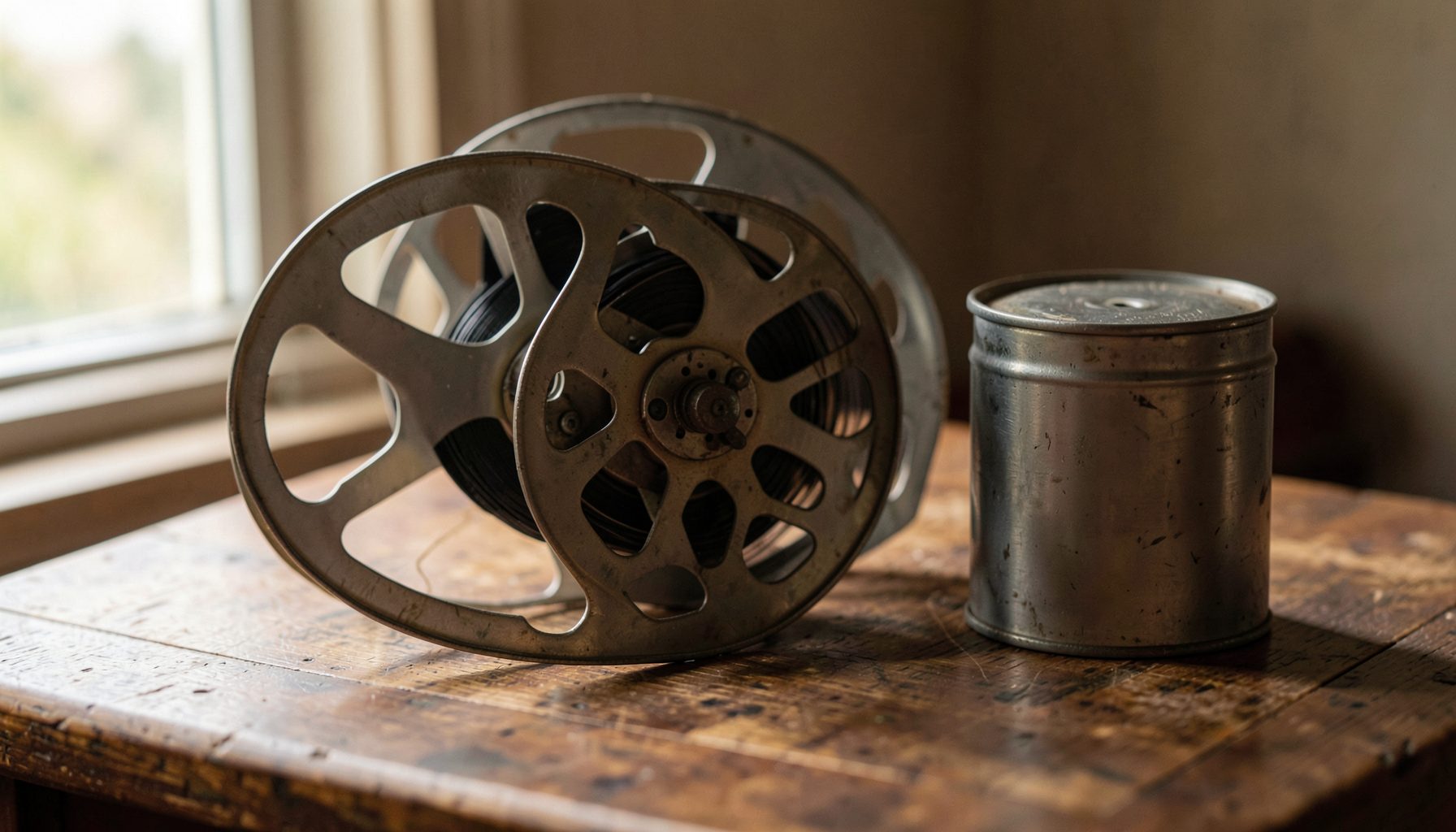
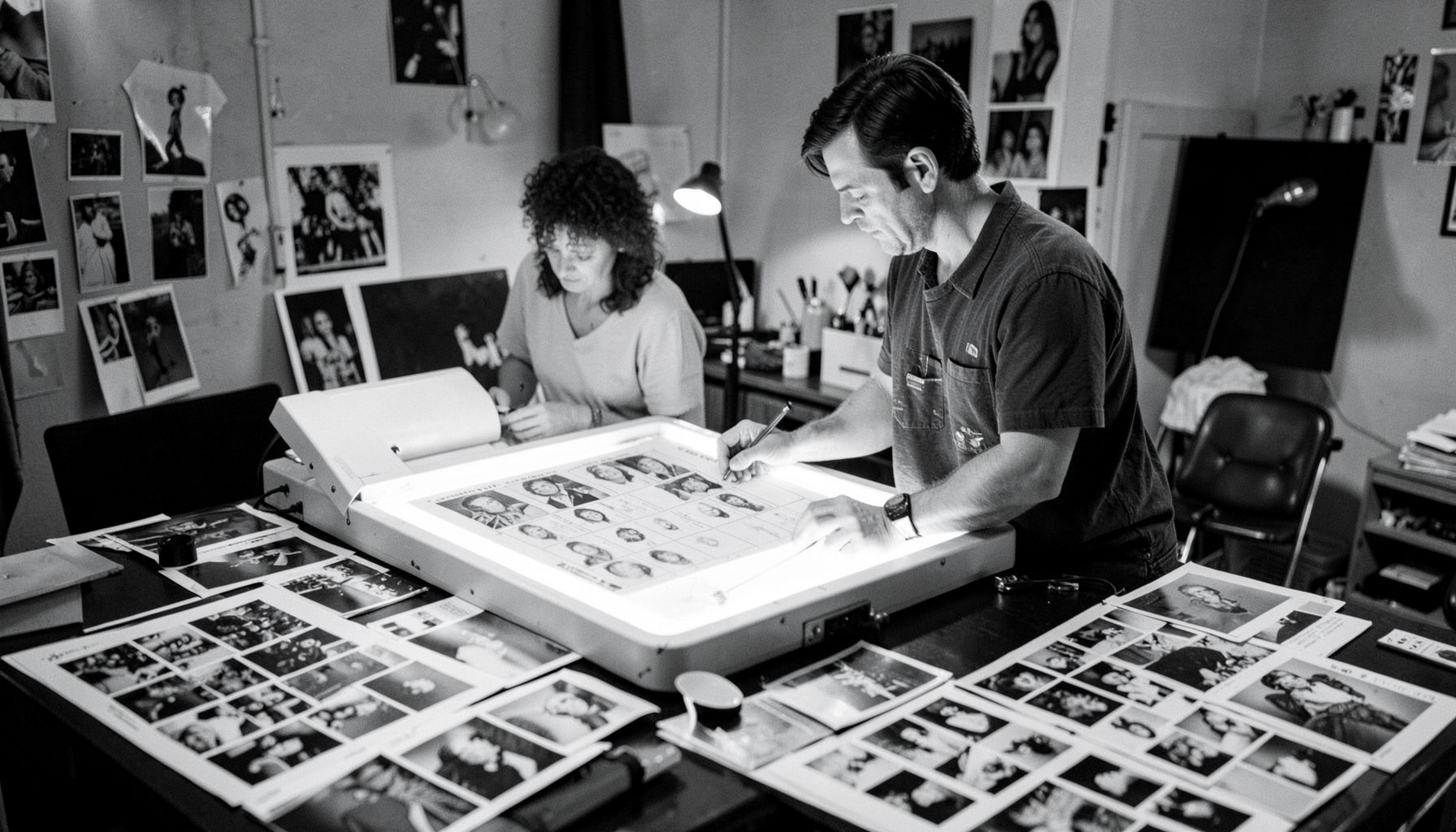
Beyond still photography, the collection preserves moving-image material, audio recordings of public addresses, and the paperwork that surrounds a state ceremony. Shooting scripts, seating charts, security plans, and printed programs all sit alongside the negatives. They reveal the planning that preceded each event and the bureaucratic texture of public ritual. A folder from a 1960s Independence Day parade contains maps of the route, lists of invited dignitaries, and correspondence about which units would lead which block.
For Australians accustomed to the open stacks of the Australian War Memorial's research centre, this layered approach will feel familiar. Researchers there routinely combine photographic prints, oral history tapes, and unit war diaries to reconstruct a single campaign or homecoming. The Shagrir Collection invites the same kind of triangulation, and curatorial notes flag which items have been digitised, which remain on cellulose nitrate, and which require conservation review. That openness makes the archive workable for international visitors planning research trips from the southern hemisphere.
Cadence and Code: Shagrir's Eye for Ritual Movement
Marching bands, regimental colours, and the cadenced stride of honour guards all rely on rhythm, and Shagrir's photography of these moments has a particular musicality. He often chose vantage points that emphasised repetition: rows of berets, lines of polished brass, the stepped rhythm of marching boots. His choice of shutter speed frequently turned a marching column into a faint blur of motion while stationary spectators remained crisp, producing an image that subtly distinguishes performer from audience. That visual decision carries meaning. It marks the ceremony as something performed for a watching public, not as a private affair among soldiers.
The archive also preserves the moments when ritual briefly falters. A child running across a parade route, a servicewoman adjusting her beret, a flyover slightly out of sequence: these small disruptions sit in the same folders as the polished official frames. They give the archive a documentary honesty that aligns with the broader tradition of Australian commemorative photography, where candid frames of veterans and exhausted marchers share shelf space with formal portraits. Both traditions recognise that the meaning of a ceremony often lives in its unscripted margins. Contextual essays published alongside the main holdings, such as the kibbutz life essay, deepen this sense of a photographer attentive to lived texture as well as official choreography.
Public Memory and Archive Practice
How a society stores its ceremonies shapes how it remembers them. Israel's archival institutions have long wrestled with questions of access, classification, and the boundaries between military and civilian memory. The Shagrir Collection operates within that wider conversation, balancing scholarly access with sensitivity around ongoing political and personal concerns. Its cataloguing language is careful, its finding aids are translated, and its digitisation roadmap is published openly so researchers can plan visits or remote requests around conservation windows.
Australia's own archival landscape offers a useful counterpoint. The National Archives of Australia, established under the Archives Act 1983, sets a clear public-interest framework for releasing government records, including military ones. Veterans' affairs portfolios coordinate the preservation of service records, while organisations like the RSL maintain their own photograph and document collections through local sub-branches in towns from Perth to Hobart. The result is a culture of commemoration distributed across many small custodians, each holding a piece of the wider story. The Shagrir archive's effort to centralise, translate, and connect its holdings offers one model for how a national visual heritage can be made accessible without flattening its complexity.
A Shared Language for Veterans, Researchers, and the Public
The strongest reason to spend time with Shagrir's ceremonial material is that it speaks to audiences who never lived through the events it documents. Grandchildren of parade veterans, students of political anthropology, journalists working on anniversary features, and serving members of the Australian Defence Force on study tours to the region all find something usable here. The frames are technically accomplished, politically revealing, and emotionally honest, qualities that travel well across borders and across decades.
Recent exhibitions and review essays, gathered through press coverage, point to growing international scholarly interest. For anyone preparing to work with the material, a few sensible first steps help make the most of a visit.
Practical recommendations for first-time researchers
- Begin with the online catalogue and the curated finding aids to identify which ceremonial events are best represented in the holdings.
- Email the archivist through the contact page to confirm conservation status, reproduction rights, and any exhibition loans that may affect access during your travel window.
- Cross-reference Shagrir's frames with holdings at the Australian War Memorial and the National Archives of Australia, since comparative work strengthens both arguments and funding applications.
- Plan for a multi-day visit if you intend to examine moving-image material, as reel-to-reel viewing requires dedicated appointment slots and steady handling conditions.
- Request translated finding aids in advance if your reading preferences lean toward Hebrew, Arabic, or English, since translations are prepared per visit.
- Build in time to read the curatorial essays, including the kibbutz life piece, which situates the ceremonial work within Shagrir's wider photographic concerns.