Micha Shagrir’s Portraits of Israeli Artists in Their Studios
A studio portrait is never simply a record of a face. It also preserves the room around that face: the tools on a table, unfinished work against a wall, a particular kind of light, and the relationship between an artist and the place where ideas become objects. Micha Shagrir’s photographs of Israeli artists invite viewers to read all these details together.
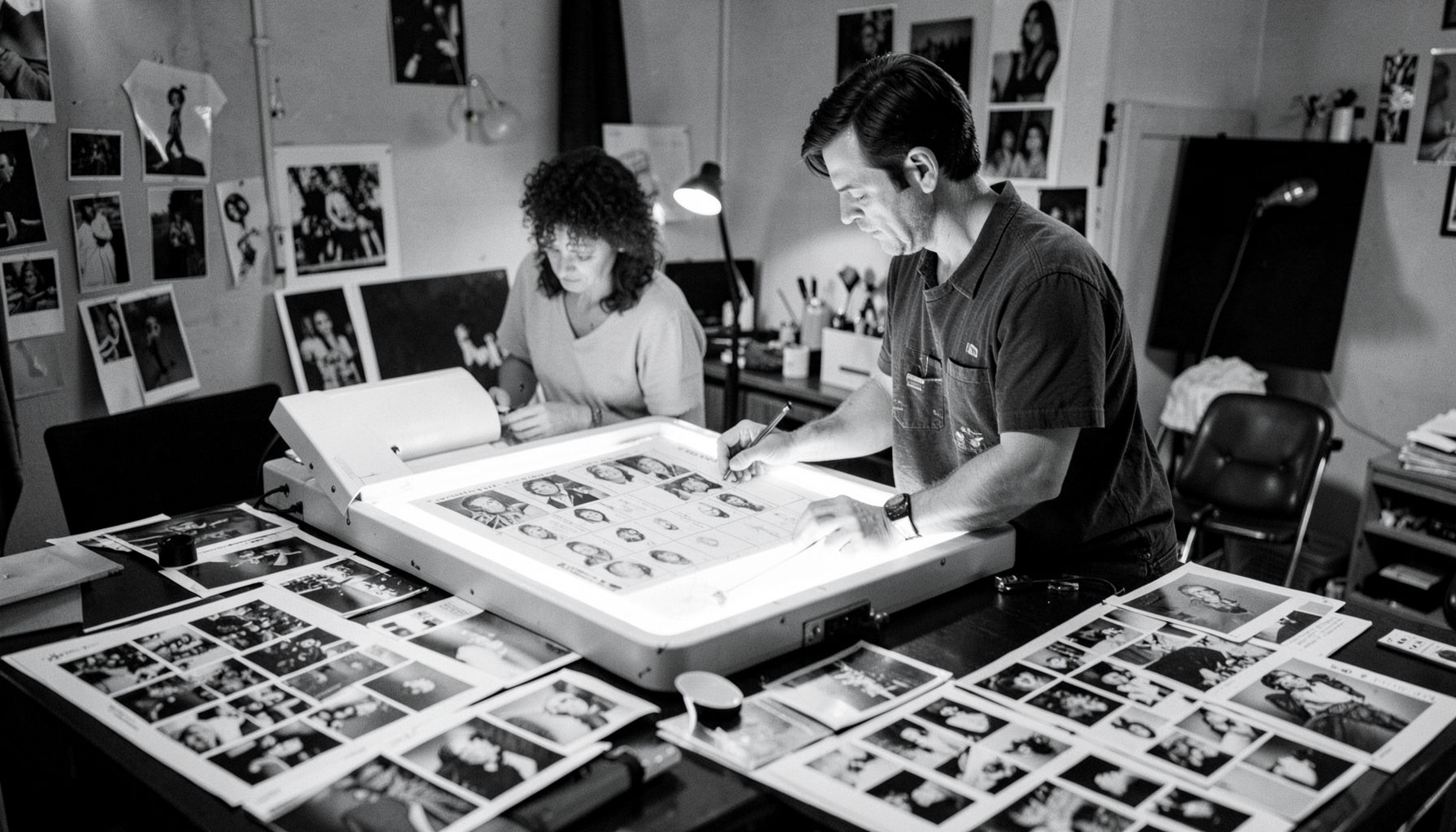
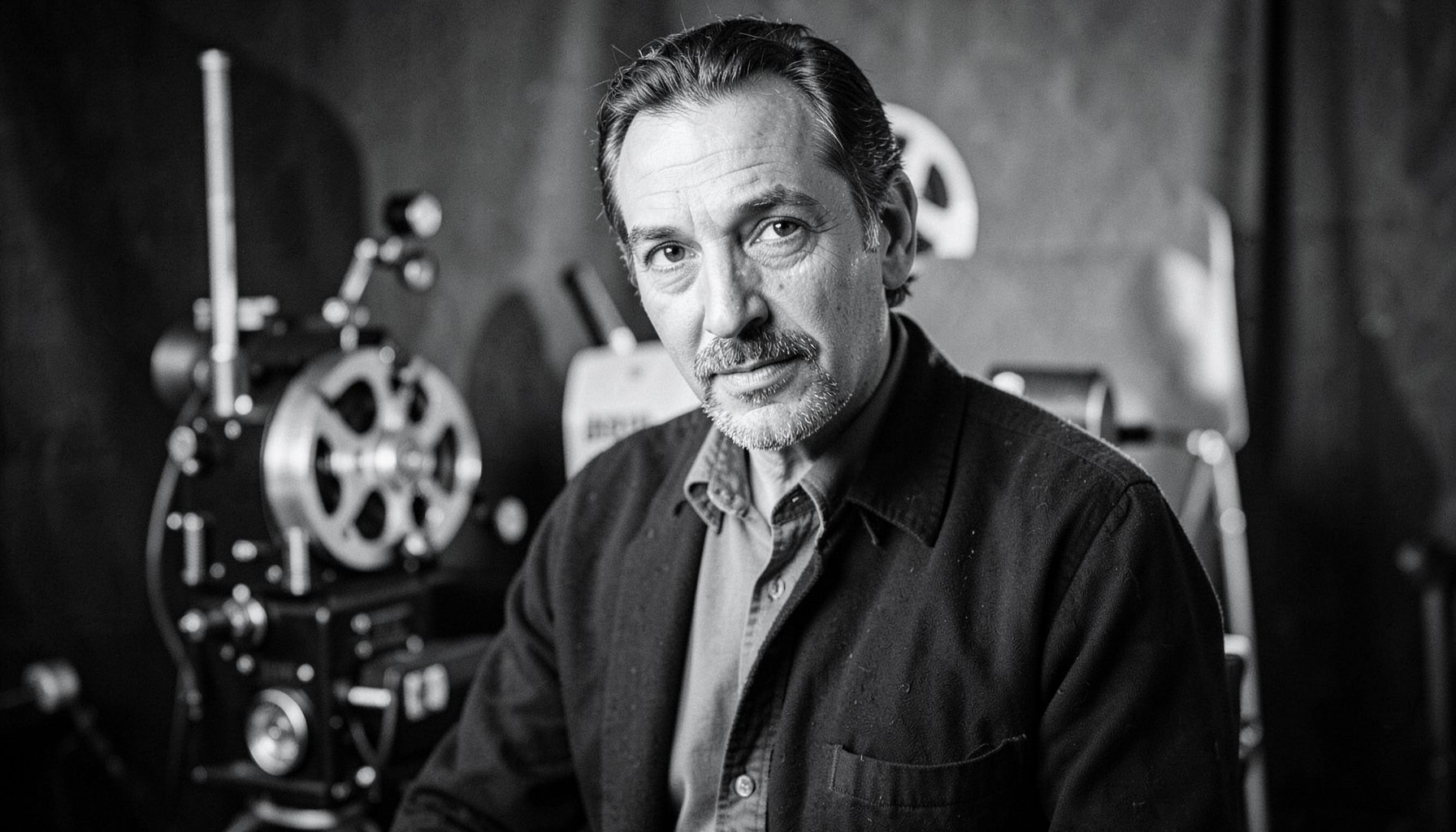
The portraits belong to a wider body of work shaped by filmmaking, journalism, photography, and documentary observation. Rather than presenting artists as distant cultural figures, Shagrir often places them within their working environments. Paint-splashed floors, crowded shelves, canvases, instruments, books, and fragments of daily life become part of the subject.
For Australian audiences, these images offer an intimate way to approach Israeli cultural history. A viewer familiar with the studios of Sydney painters, Melbourne printmakers, Brisbane photographers, or regional ceramicists will recognise the practical realities of creative work: limited space, improvised storage, personal rituals, and the tension between private concentration and public recognition.
The Shagrir Collection brings together photographs, negatives, films, recordings, papers, and related historical material. Seen together, these sources turn an individual portrait into evidence of a period. They show how artists lived, worked, presented themselves, and participated in the changing social landscape of Israel.
The studio as a living portrait
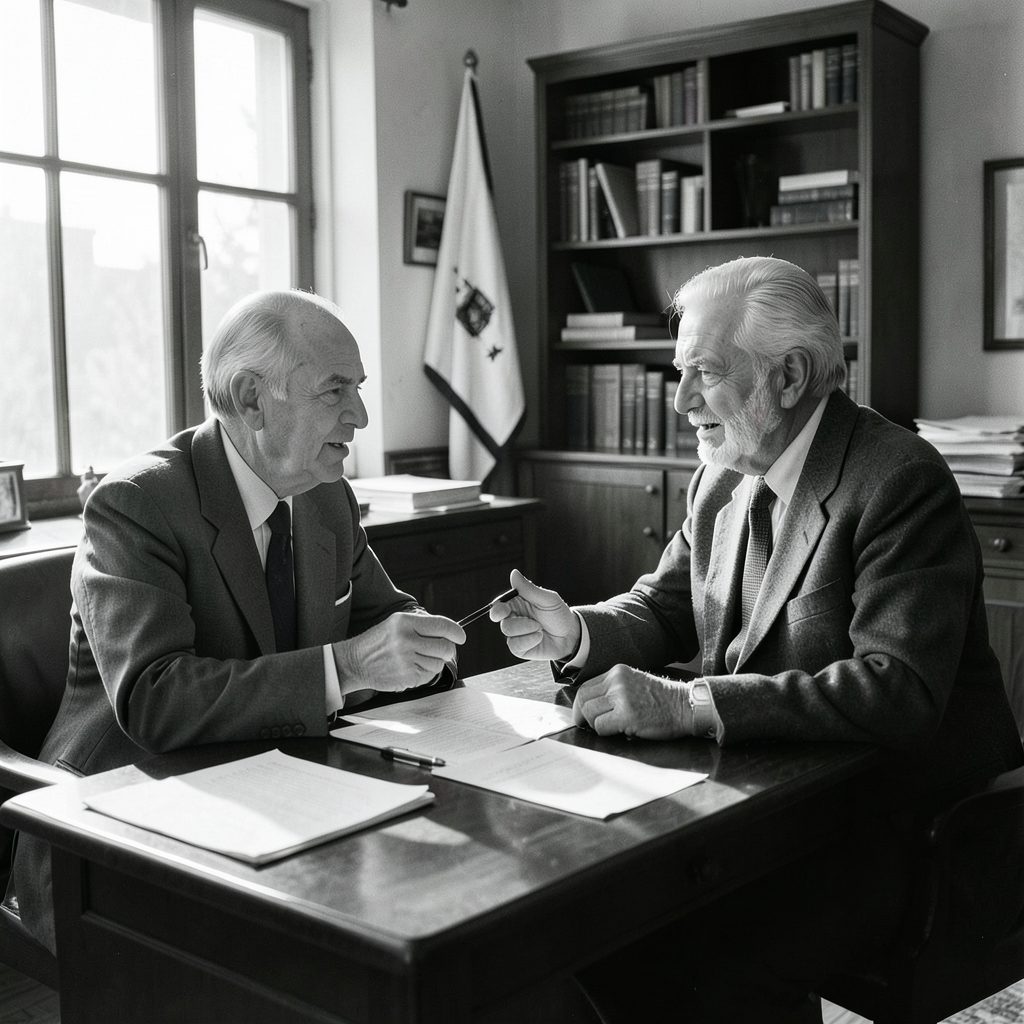
Shagrir’s artist portraits gain their force from their attention to surroundings. A studio is treated as an active space rather than a neutral backdrop. The arrangement of materials can suggest an artist’s methods, while a seated pose or direct gaze may reveal how the subject negotiated the presence of a photographer.
This approach differs from the polished publicity portrait. The image does not need to isolate the artist from their practice. A sculptor may appear beside unfinished forms, a painter near a layered canvas, or a writer among notes and books. Such details make the photograph useful to researchers studying artistic process as well as to viewers responding to atmosphere and expression.
The studio also acts as a small social history archive. Furniture, tools, clothing, lighting, and building interiors can indicate changing economic conditions and professional habits. In an era when many images are made quickly on phones, the physical evidence held in an archival photograph has a particular weight.
Israeli art through a documentary lens
Shagrir’s background in documentary film informs the way these still images can be read. His portraits are attentive to context and presence. They do not merely identify an artist; they suggest a moment within a larger cultural conversation, when Israeli visual art was developing across painting, sculpture, photography, theatre, film, and design.
The photographs can be approached alongside interviews, moving-image records, and written papers. Cross-referencing these formats may reveal differences between an artist’s public biography and the more ordinary reality of work in the studio. A photograph might show a confident public figure, while surrounding documents reveal uncertainty, collaboration, financial pressure, or political debate.
For researchers in Australia, this layered method resembles work with collections at the National Film and Sound Archive in Canberra or state libraries in Sydney and Melbourne. Primary sources are most revealing when they are placed in relation to one another. A portrait, a negative, a recording, and a dated paper can form a richer account than any single caption.
Materials, surfaces, and photographic memory
The physical qualities of the photographs matter. Paper, emulsion, grain, contrast, and framing influence how a viewer encounters the portrait. A studio image may carry the marks of its original production, later handling, or archival preservation. These features are part of the object’s history rather than distractions from its content.
Digitisation makes the collection more accessible, yet a digital image cannot reproduce every quality of an original print or negative. Scale, surface, and tonal range may change on a screen. Careful cataloguing helps retain information about format, date, subject, and provenance, allowing researchers to understand what they are viewing.
This distinction is familiar in Australia, where libraries, galleries, and community archives balance online access with the protection of fragile originals. Copyright also remains relevant. Australian law generally protects photographic works for the life of the creator plus 70 years, although ownership, licensing, moral rights, and overseas rights can complicate reproduction. Archival viewing and commercial publication are different activities.
Artists as part of public life
The portraits also position artists within the society around them. Israeli cultural life has been shaped by migration, conflict, political argument, changing cities, and relationships between local and international audiences. A studio can appear private, yet its contents often point outward to these wider forces.
The image of an artist at work may therefore carry several identities at once: professional, citizen, teacher, parent, colleague, or public commentator. Shagrir’s photographic practice is valuable because it keeps these identities close together. The artist is neither reduced to a famous name nor separated from the everyday conditions that made the work possible.
Australian viewers may recognise this connection through the way local artists participate in public life. The opening of a gallery exhibition, a weekend market, a university studio visit, or a small artist-run space can connect creative practice with neighbourhood identity. Melbourne’s inner-city studios and Sydney’s changing industrial districts, for example, show how workspaces are shaped by property costs, redevelopment, and access to audiences.
Looking closely at the collection
A useful first step is to compare portraits across the collection rather than treating each image as an isolated likeness. Notice repeated visual elements: windows, workbenches, studio walls, unfinished pieces, domestic objects, and the photographer’s distance from the subject. These patterns can suggest how Shagrir adapted his approach to different personalities and disciplines.
The photo gallery provides an accessible entry point for viewing the collection’s visual material. From there, a researcher might follow names, dates, or related records into the wider archive. Captions and surrounding documentation are especially important because a studio photograph may be open to several interpretations without historical context.
Digital browsing also changes how audiences encounter archival photography. Someone in Perth, Adelaide, Hobart, or Darwin can examine images that might otherwise require travel to an overseas repository. That access reflects a common Australian habit of combining online research with visits to exhibitions, libraries, and cultural institutions when a subject demands closer attention.
Preservation and new ways of seeing
Preserving these portraits involves more than scanning negatives. It requires stable storage, accurate description, rights management, conservation expertise, and resources for future research. The work supports exhibitions, teaching, documentary production, and scholarship while protecting evidence that could easily be lost through neglect or fragmented private ownership.
The collection’s press material helps place its preservation and public programmes within a broader account of Shagrir’s career. This matters because archival value is shaped by use. A portrait may support an art-history paper, a documentary, a classroom discussion, or an exhibition about the relationship between image-making and national memory.
There is also room for creative exchange between Israeli and Australian visual cultures. Artists, curators, educators, and independent researchers can compare studio traditions, photographic ethics, and approaches to cultural memory. Related visual resources, including Kifli Mally, can sit within this wider exploration of design, image, and contemporary identity.
Questions about provenance, reproduction, research access, or collaboration can be directed through the collection’s contact page. Such communication supports responsible use of the archive and helps ensure that the people, places, and creative histories represented in these portraits remain visible to future audiences.