
Shagrir’s Photographic Study of Israeli Markets and Street Life
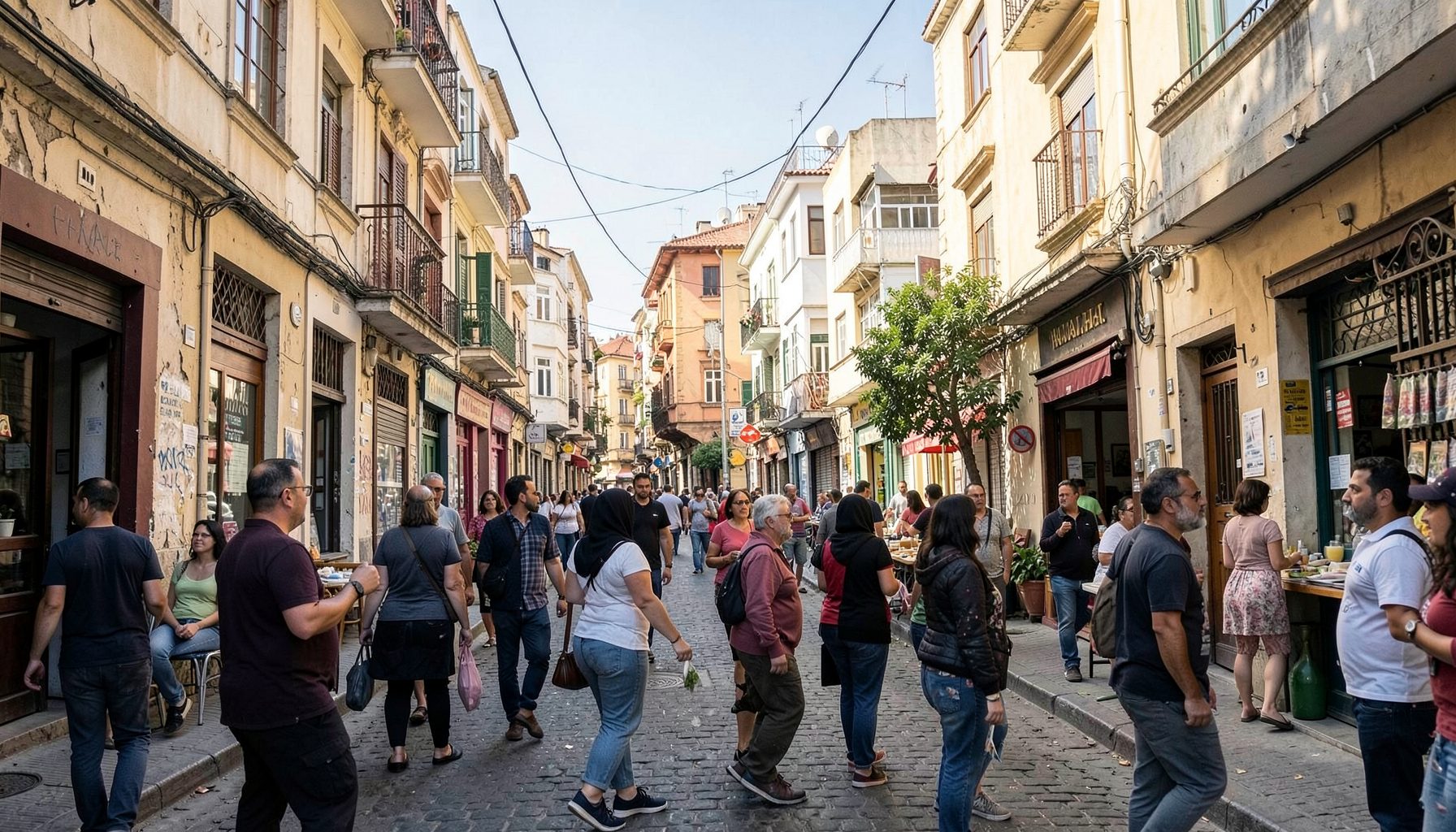
Micha Shagrir’s photographs of Israeli markets and streets offer a close-range view of public life. Rather than treating history as a sequence of official events, the images attend to ordinary encounters: a vendor arranging produce, children moving through a crowded lane, commuters pausing beside a shopfront, or neighbours negotiating space on a pavement. Learn more about Kiflimally.com.
This photographic study is valuable because markets compress social history into visible details. Clothing, packaging, architecture, gestures, transport and street signage all reveal how communities changed over time. A single frame can suggest migration, military presence, economic pressure, religious tradition and the influence of new consumer habits without relying on a formal caption.
The Shagrir Collection brings these photographs into conversation with documentary films, personal papers, recordings, negatives and other primary-source material. Together, they preserve a layered record of Israeli political, military and social history, while keeping attention on the human scale at which that history was lived.
For Australian viewers, the material may recall the visual energy of Melbourne’s Queen Victoria Market, Sydney’s Paddy’s Markets or a suburban Sunday growers’ market. The settings differ, yet the habits are familiar: browsing, bargaining, watching, waiting and sharing public space. Shagrir’s work makes those everyday actions historically legible.
The Market As A Social Portrait
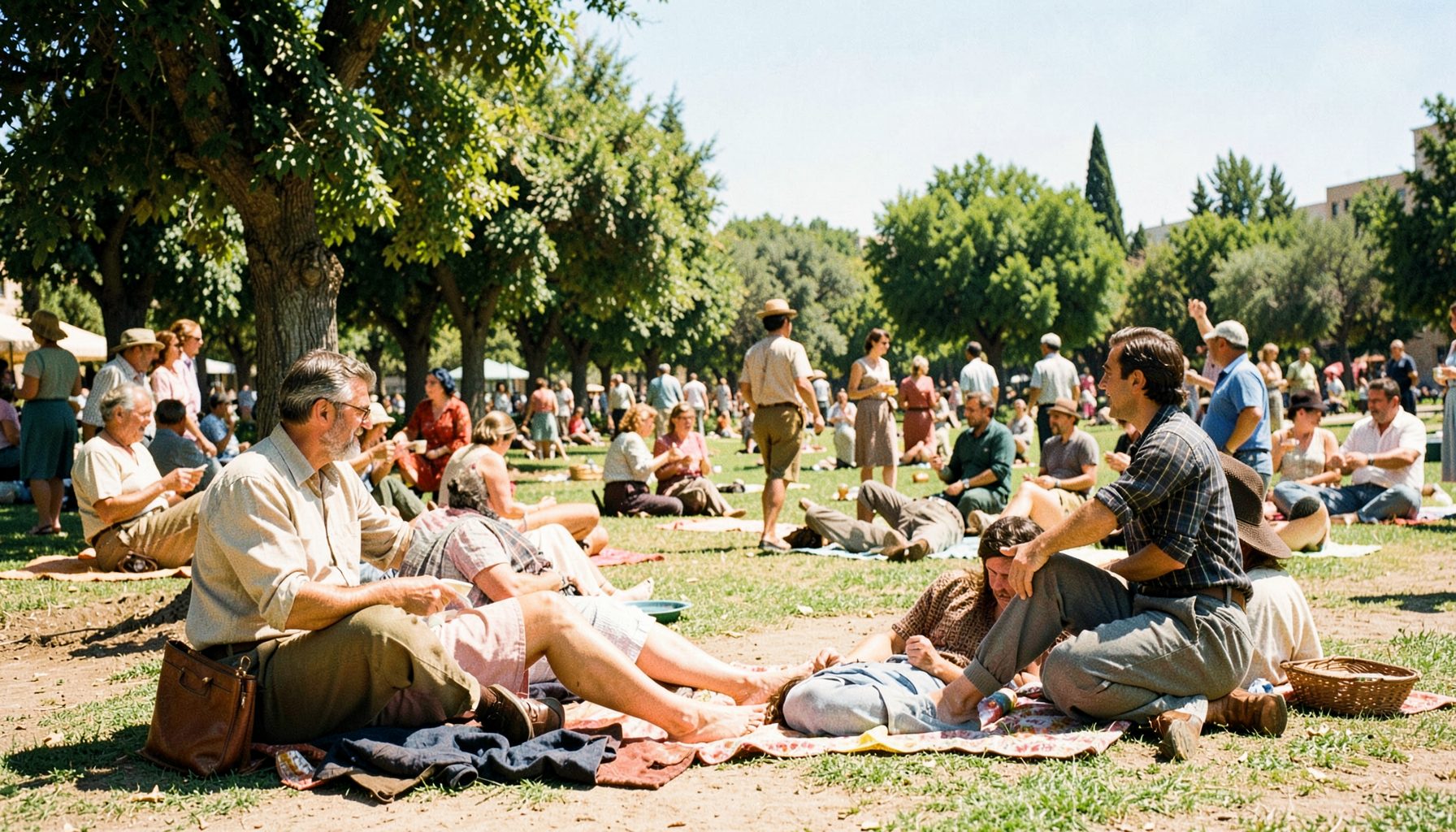
A market is more than a place where goods change hands. It is a temporary social theatre in which people display status, negotiate trust and adapt to scarcity or abundance. Shagrir’s camera observes this theatre through faces and bodies, but also through arrangements of objects. Fruit stacked in pyramids, household goods spilling onto tables and hand-painted signs become evidence of livelihood and aspiration.
The street market also reveals relationships between generations. Older traders may appear beside young customers, while children learn the rhythms of buying by watching adults. These scenes can show how cultural practices persist while commercial life changes around them. The photograph becomes a record of continuity and adjustment rather than a simple snapshot of nostalgia.
Australian audiences know this kind of visual language. At Queen Victoria Market, shoppers often combine planned purchases with an unhurried walk through crowded aisles. In Sydney, market visitors may move between fresh food, clothing and prepared meals while navigating several languages and cultural traditions. Shagrir’s images invite the same attention to the ordinary choreography of public commerce.
Faces, Gestures And Passing Encounters
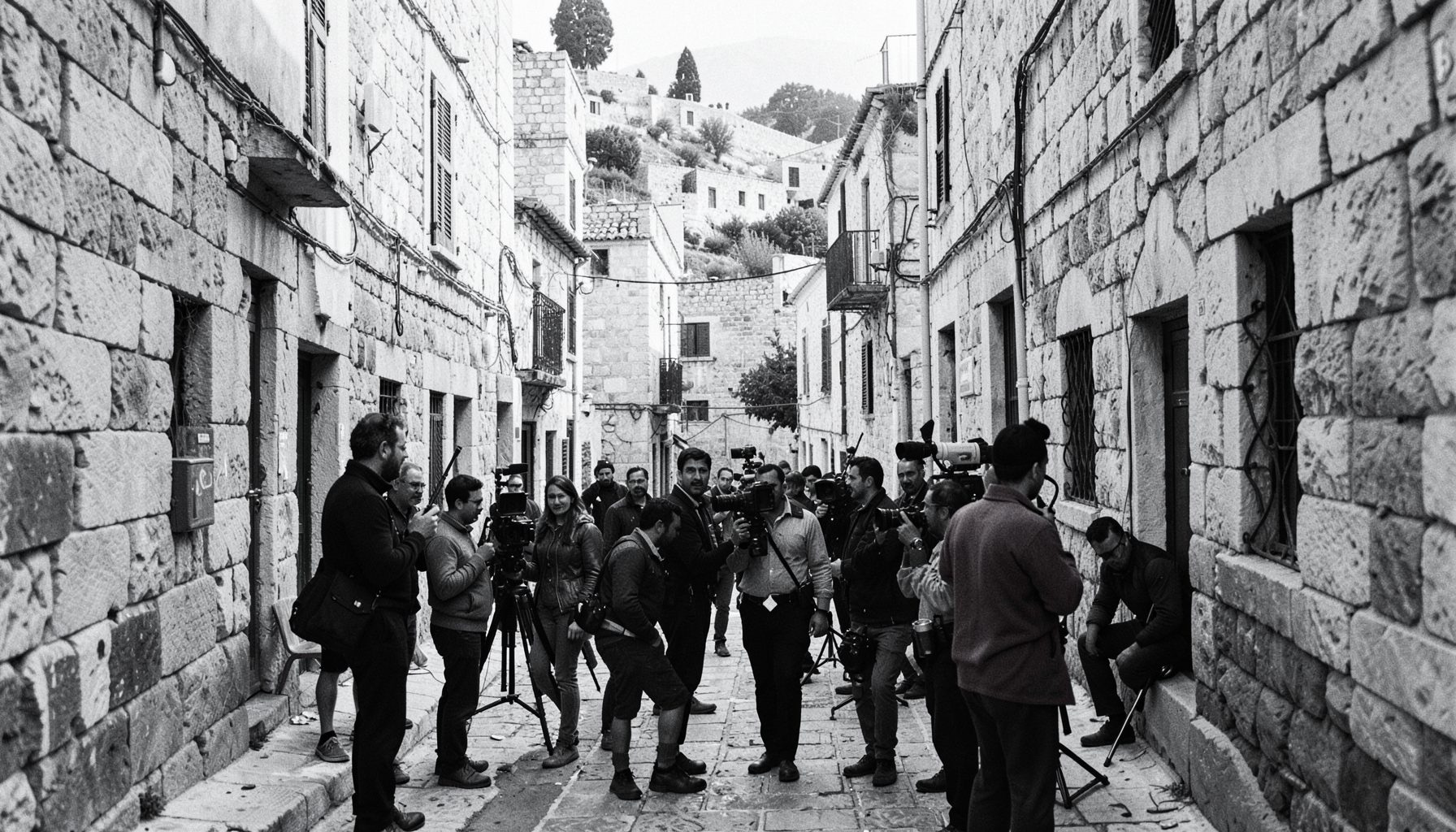
Street photography depends on timing. A glance toward the camera, a hand extended over a counter or a person turning away can give an image its emotional charge. Shagrir’s photographs appear to value these brief, unrepeatable moments, allowing people to remain more complex than the roles they occupy as sellers, shoppers, soldiers, parents or passers-by.
The photographs can also be read through gesture. A vendor leaning forward may communicate persuasion or fatigue; a group standing close together may suggest familiarity, caution or shared purpose. Such interpretations must remain open, because archival images rarely provide every answer. Their strength lies in the questions raised by visible evidence.
This sensitivity distinguishes documentary observation from staged publicity. The market is shown as a place of negotiation, where people manage how they appear to others while continuing with practical tasks. In that sense, Shagrir’s street life photographs are intimate without being private. They document public behaviour while preserving uncertainty about each person’s unseen story.
Objects That Carry Historical Meaning
Photographs of markets preserve material culture with unusual clarity. Labels, shop signs, newspapers, tools, bags and food containers can date an image and identify changing patterns of production or trade. A worn display case may indicate a small family business, while imported packaging can point to new commercial connections and consumer expectations.
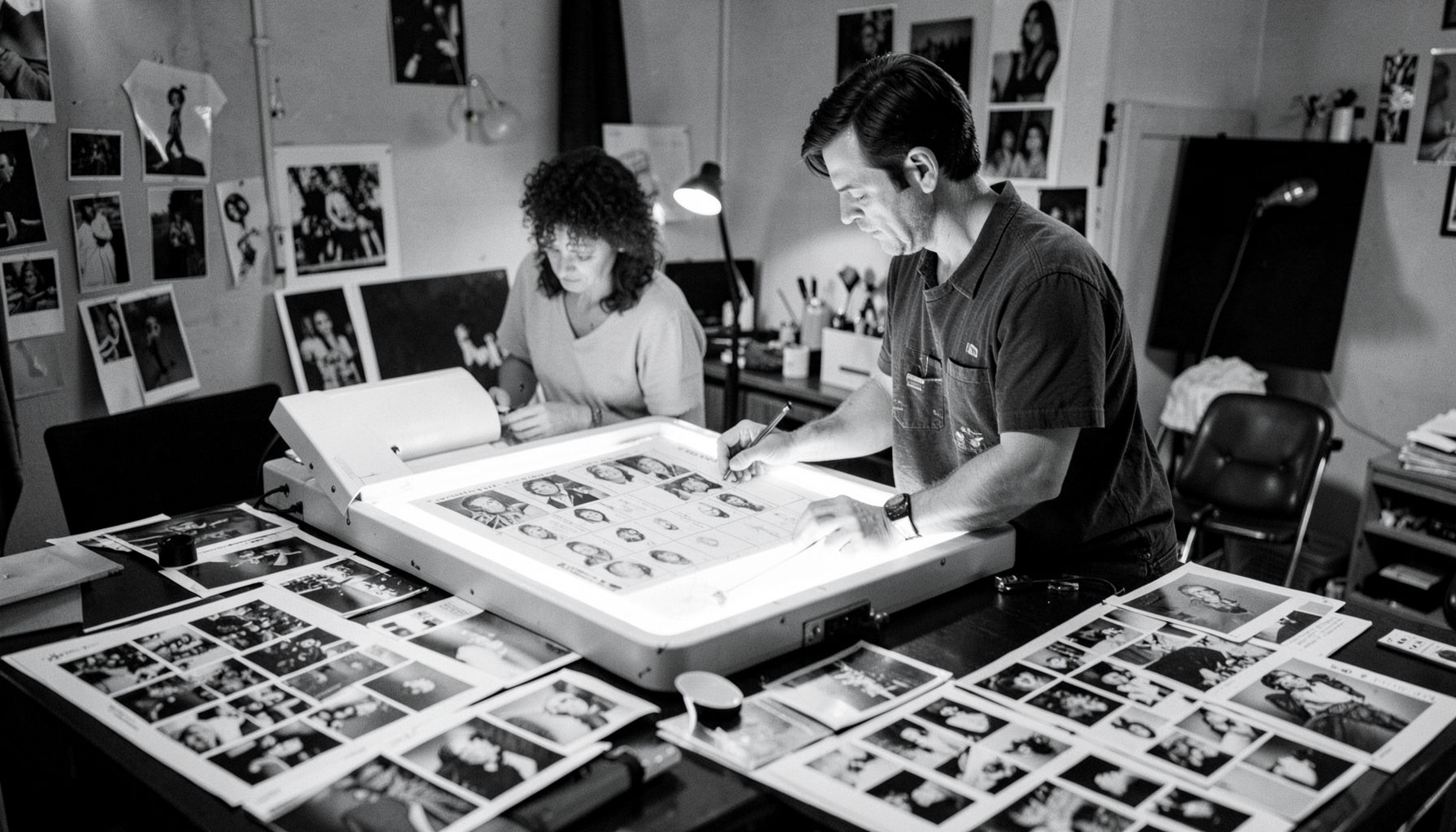
These details matter to researchers because the built environment is often altered or demolished. A market stall may survive in a negative long after the street around it has changed. When original prints, film reels and related papers are kept together, researchers can compare visual evidence with production notes, dates and personal observations.
The archive’s personal photographs from family journeys also broaden the idea of documentary photography. They show how a filmmaker’s eye operated away from commissioned work, where informal travel, family life and public observation could overlap. This context helps viewers understand the habits of attention behind the market images.
Movement Through Israeli Streets
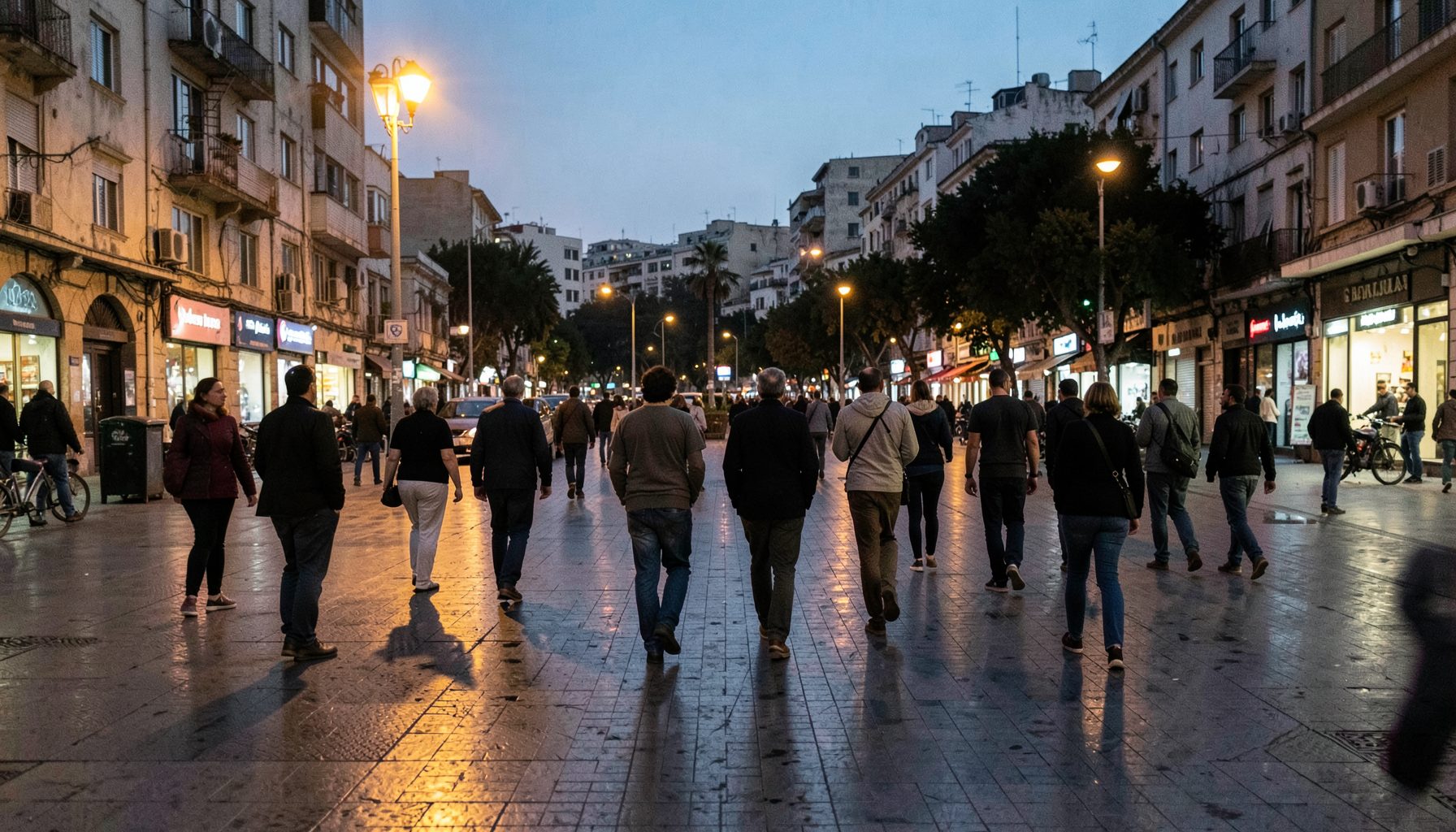
Israeli street life is shaped by movement: pedestrians crossing dense commercial areas, buses and cars sharing narrow roads, deliveries arriving early, and crowds gathering around religious or civic events. Shagrir’s photographs capture these overlapping rhythms. Even when a frame appears still, it may contain implied motion through blurred figures, angled bodies or tightly packed architecture.
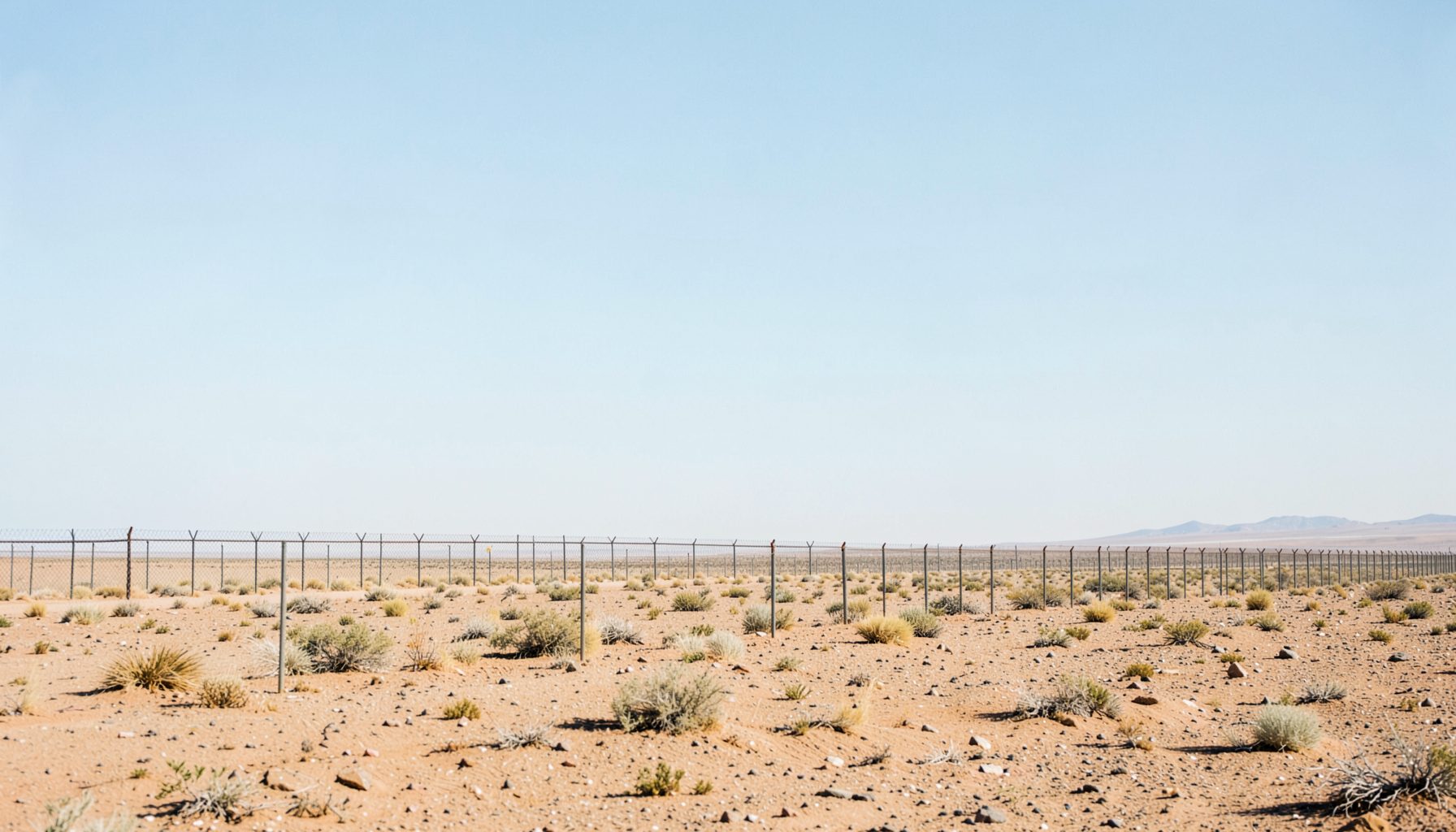
Street scenes also register political and military realities without becoming formal political photographs. Uniforms, checkpoints, posters, barriers and public notices can enter the frame as part of daily experience. Their presence may be incidental, yet it changes how viewers understand the space. The market is a place of livelihood, but it is also located within a contested and heavily documented society.
There are useful parallels in Australia, though the historical circumstances differ. A photograph taken near a transport hub in Melbourne or Brisbane may include tram wires, accessibility ramps, campaign posters and police signage that future researchers would use to reconstruct public life. Current Australian privacy law, including the Privacy Act 1988, also reminds institutions to consider how identifiable people are represented and described when collections are digitised.
Preserving The Archive For Public Study
The meaning of these photographs depends on preservation work. Negatives must be stored in stable conditions, prints handled carefully and films transferred before physical decay makes access difficult. Digitisation can protect fragile originals from repeated handling, but it must retain accurate metadata so that dates, locations, formats and relationships between items are not lost.
For Australian researchers, this approach resonates with the work of institutions such as the National Film and Sound Archive in Canberra and state libraries that preserve audiovisual and photographic records. It also reflects the practical expectations of a digital audience accustomed to searching collections remotely. Clear descriptions, high-quality scans and responsible rights information allow students, curators and family historians to use primary sources with confidence.
The archive’s public value extends beyond specialists. A teacher might use a market photograph to discuss migration and urban development; a filmmaker could study composition and documentary ethics; a family member might recognise a district that has since been transformed. Support for preservation and access helps keep these possible encounters open, and readers can learn how to support the archive.
Looking Closely At Everyday History
Shagrir’s images reward slow viewing. Their historical information is often distributed across the frame rather than concentrated in a central subject. The angle of a shop awning, the condition of a road, the position of a child beside an adult or the expressions exchanged at a stall can alter the meaning of the whole scene.
That method has particular relevance in an era dominated by fast digital images. Australians may photograph a weekend market on a phone, pay with a card or mobile wallet, and move on within minutes. Shagrir’s work encourages a different pace: to ask who controls the space, who is visible, what objects reveal about the period and which people remain outside the frame.
The photographs ultimately connect public history with private attention. They preserve Israeli markets as places of work, sociability, uncertainty and movement, while demonstrating how documentary photography can find historical significance in routine encounters. Through the Shagrir Collection, street life remains available for careful research, teaching and imaginative engagement.