
Shagrir and Israel’s early high-tech pioneers
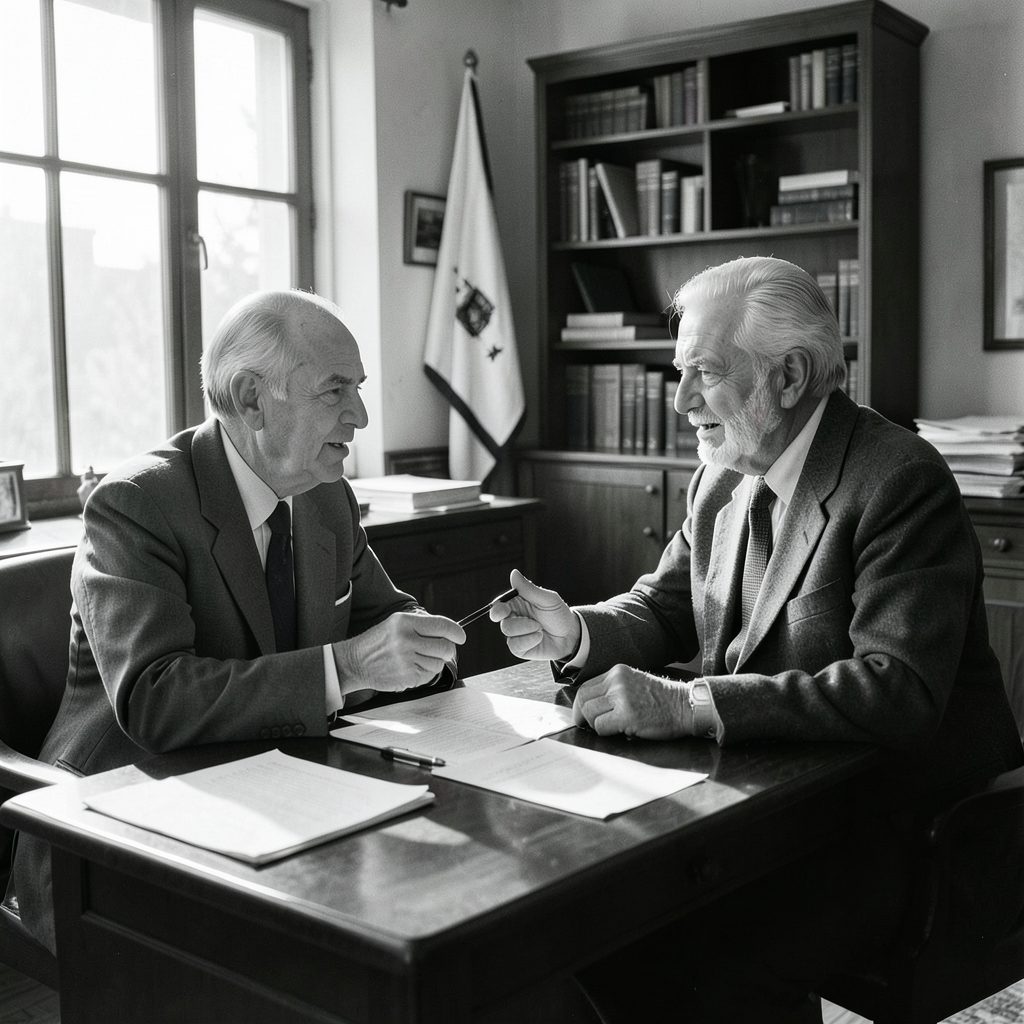
The Shagrir Collection preserves Micha Shagrir’s work across film, photography, journalism and production. Its interviews with Israeli pioneers of the high-tech industry provide a record of how people entered computing, defence electronics, advanced engineering and new businesses during a formative stage of Israel’s technological development.
Shagrir’s conversations reveal the human decisions behind technical progress: choosing a specialism, persuading an investor, moving from a laboratory prototype to a commercial product or rebuilding after failure. These voices also complicate familiar accounts of innovation, placing public policy, military contracts, family responsibilities and professional networks alongside the celebrated breakthrough.
From laboratory work to public memory
Shagrir approached technology as a reporter rather than treating it only as a succession of products and companies. The interviews reveal processes that institutional histories often compress, including the movement between university laboratories, military units, industrial workshops and family-run enterprises.
| Dimension | Israeli pioneer setting | Australian parallel |
|---|---|---|
| Industrial foundations | Defence electronics, public research and immigrant expertise | Defence agencies, CSIRO and Data61, and university partnerships |
| Geographic centres | A concentrated network around Tel Aviv and Israeli research institutions | Startup activity spread among Sydney, Melbourne, Brisbane and Canberra |
| Early financing | Government contracts, grants, private investors and overseas markets | Grants, incubators, angels, institutional capital and the ASX |
| Sources of talent | Immigrant scientists, engineers, entrepreneurs and military specialists | Graduates, international migrants, researchers and founders from varied professional backgrounds |
| Method of preservation | Recorded conversation combined with film, photographs and papers | Oral history supported by business records, broadcasting archives and institutional collections |
The parallel is instructive without making the countries identical. Both environments have used public procurement and research partnerships to help small teams reach the market, while Australian researchers may recognise the familiar challenge of converting technical work into durable commercial organisations. Shagrir’s interviews illuminate how those conditions were experienced by individuals at the time.
That personal perspective is why the material belongs in public memory. It can show the unglamorous middle of an innovation story: the equipment that failed, the customer whose requirements changed the design, or the colleague who supplied an essential contact. Such details help researchers understand how Israeli high-tech capabilities were built rather than merely announcing that they existed.
How innovation sounded in the interviews
Israel’s early technology sector grew from overlapping worlds of defence, engineering, computing and entrepreneurship. Work undertaken for military or public institutions frequently supplied skills and equipment that later moved into civilian applications. The interviews make this transition audible by retaining the uncertainty that accompanied it.
Rather than presenting founders as solitary geniuses, the conversations place them within teams and institutions. They reveal how an engineer communicated with a manufacturer, how an entrepreneur judged demand and how technical staff fitted into a company’s broader culture. The language is valuable for historians because specialist terminology is shown in use, embedded in working days, budgets and practical decisions.
Shagrir also preserves the limits of individual memory. Speakers can remember motives more readily than dates, simplify earlier disagreements or describe a decision whose consequences were not yet visible. A careful researcher can treat those qualities as evidence rather than obstacles. Hedges, corrections and shifts in emphasis may expose the distance between an original aspiration and the later official account of success.
The archive’s letters to politicians deepen this understanding. They show that technological development was also a matter of policy, budgets and political persuasion. Read beside the interviews, the correspondence connects private ambition to the public decisions that shaped the working environment of Israeli innovators.
Journalism that tested the official story
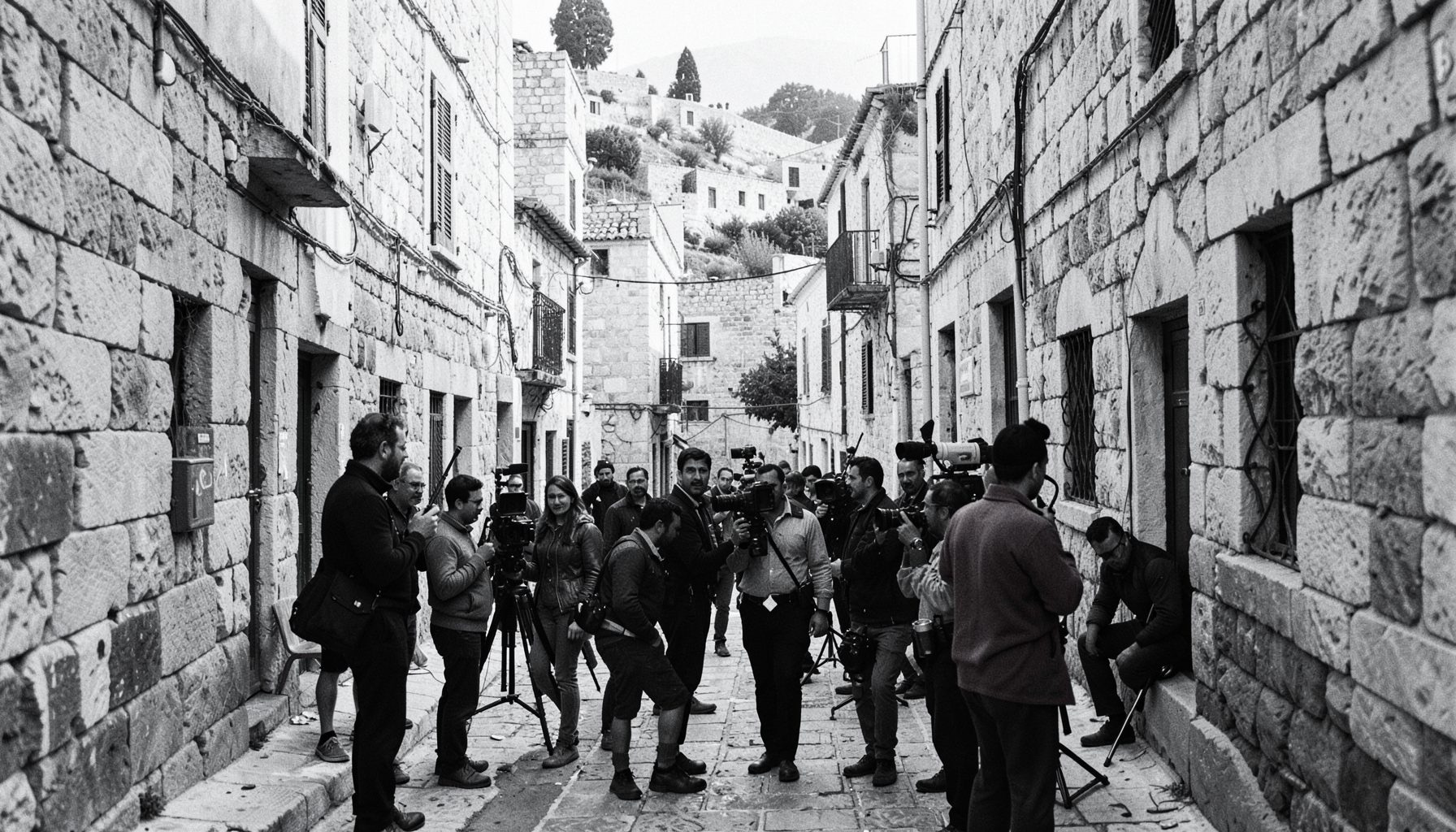
Shagrir’s wider reporting supplies the context needed to interpret the interviews. His interest lay in the point where institutional claims met lived experience, a quality evident in 1974 disengagement coverage. The photographs and film associated with that event preserve both the decisions of political and military leaders and the circumstances experienced by those directly affected.
The same approach informs the high-tech interviews. Asking how a project was funded, who advocated for it or what happened when expectations changed places technical achievement within public accountability. This is especially important for histories of defence-derived innovation, where commercial success can obscure the original military purpose and the relationship between public institutions and private enterprise.
Broadcast journalism in Shagrir’s era also played a central role. Television, radio and the written press were the principal channels through which officials, industrialists and workers contested economic priorities. An interview could therefore operate as both testimony and public record, bringing technical experience into a forum where policy was discussed.
The result avoids a seamless national mythology. Shagrir’s subjects can acknowledge achievement while describing costly mistakes, missed opportunities or uncomfortable working conditions. Their voices preserve an industry history shaped by argument and adjustment, not a sequence of inevitable triumphs.
Australian parallels and research routes
Australian readers will recognise both the distance and the adjacency of the Israeli setting. In Canberra, proximity to defence agencies and government departments has encouraged security clearances, research partnerships and carefully managed procurement relationships. Sydney’s South Eveleigh and Barangaroo districts have developed dense networks of technology organisations, while Melbourne’s biomedical and artificial-intelligence precincts show how technical capacity can cluster around particular industries.
Australian markets also operate differently from the early Israeli ecosystem. Founders commonly combine university research, state-supported incubators, venture capital and eventual access to the Australian Securities Exchange rather than relying on one national centre. In everyday conversation, founders and managers may sound relatively direct, using expressions such as “fair dinkum” or “have a go” where polished corporate language would obscure the point. That directness offers a useful counterpoint when reading interviews conducted in another media culture.
Evidence preserved in the pioneer accounts
- The practical problems that turned a laboratory concept into a working product
- The relationship between military contracts and civilian commercial development
- The importance of immigrant expertise and international professional networks
- The roles of manufacturing, sales and technical support alongside research
- The setbacks, compromises and revised ambitions preceding recognised success
Ways to connect the archive with Australian research
- Compare Shagrir’s interviews with oral histories collected in Australian technology industries
- Pair personal testimony with company archives, patent records and Australian Securities Exchange filings
- Map connections among engineers, investors, government agencies and university researchers
- Examine how Australian broadcasting represented innovation and public policy
- Place the interviews alongside the work of the National Film and Sound Archive and comparable institutions
Used together, these sources make comparison more than an exercise in matching dates. They allow researchers to examine how different institutions described risk, supported migration and funding technical work, and how personal careers interacted with national economic strategies.
Preserving the interviews as living history
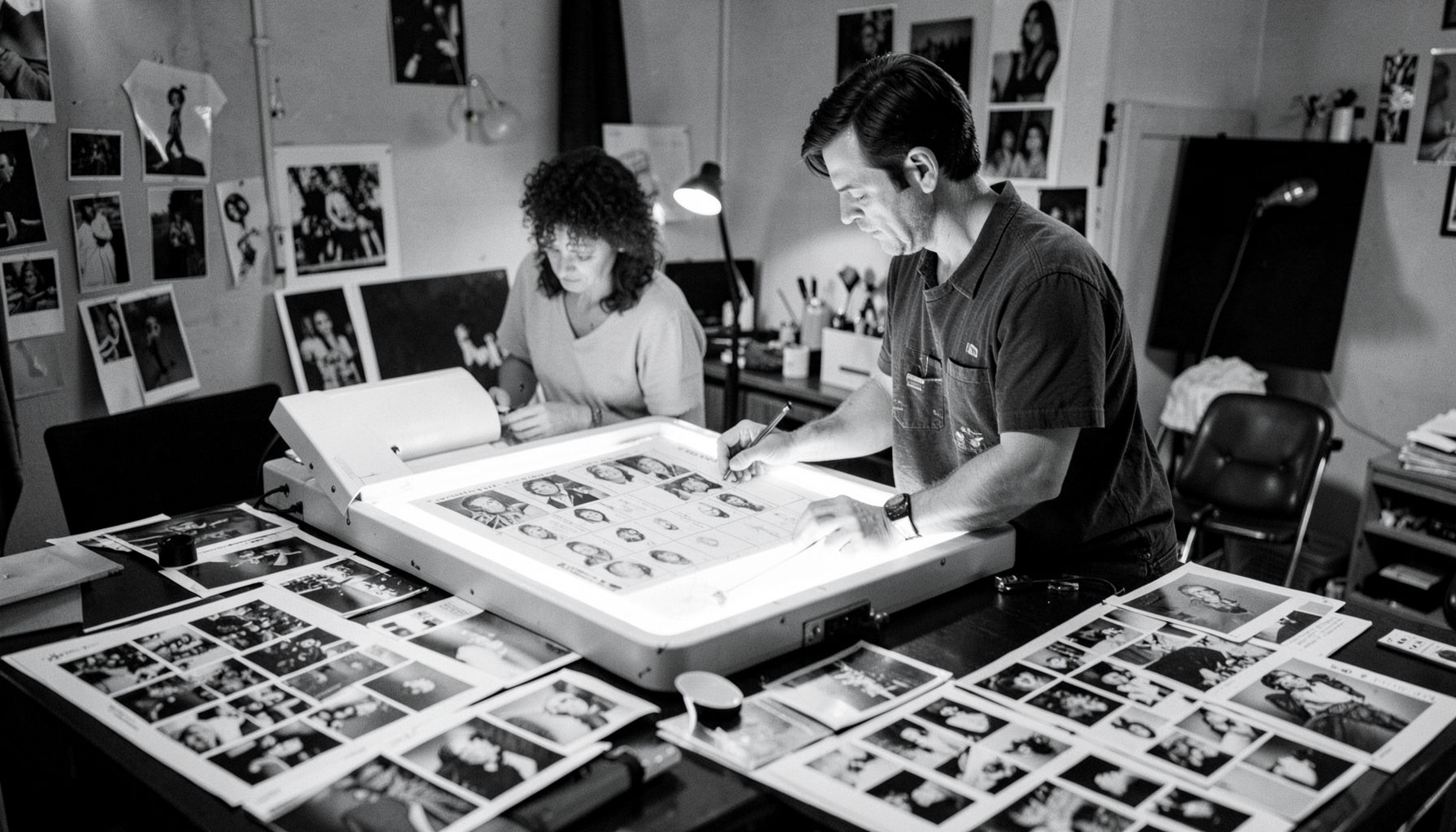
The collection’s negatives, prints, films, recordings and personal papers give the interviews a wider documentary setting. Sound can be checked against visible material, and an account of an event can be compared with correspondence, photographs or film made at the time. Preservation therefore becomes more than the storage of isolated recordings; it involves maintaining the relationships that allow each source to be interpreted responsibly.
Digitisation must be accompanied by accurate dates, names, permissions and contextual notes. A speaker’s precise role, the circumstances of the recording and the history of the organisations mentioned can all affect the meaning of an interview. Technical work on fragile media also needs to be documented so that future researchers can understand what has been transferred, restored or repaired.
The interdisciplinary public work associated with Deepali Gupta’s site offers a useful reference for anyone exploring how biography, image and oral testimony can reach audiences beyond specialist archives. Public interpretation depends on careful selection and transparent description, especially when personal recollections concern institutions or people who remain identifiable.
Exhibitions, educational programmes and accessible digital presentations can extend these voices to new audiences, while careful scholarship keeps them connected to their documentary context. The interviews preserve more than the history of Israeli technology: they retain the people who made its early possibilities tangible, along with the choices, constraints and relationships that shaped their work.