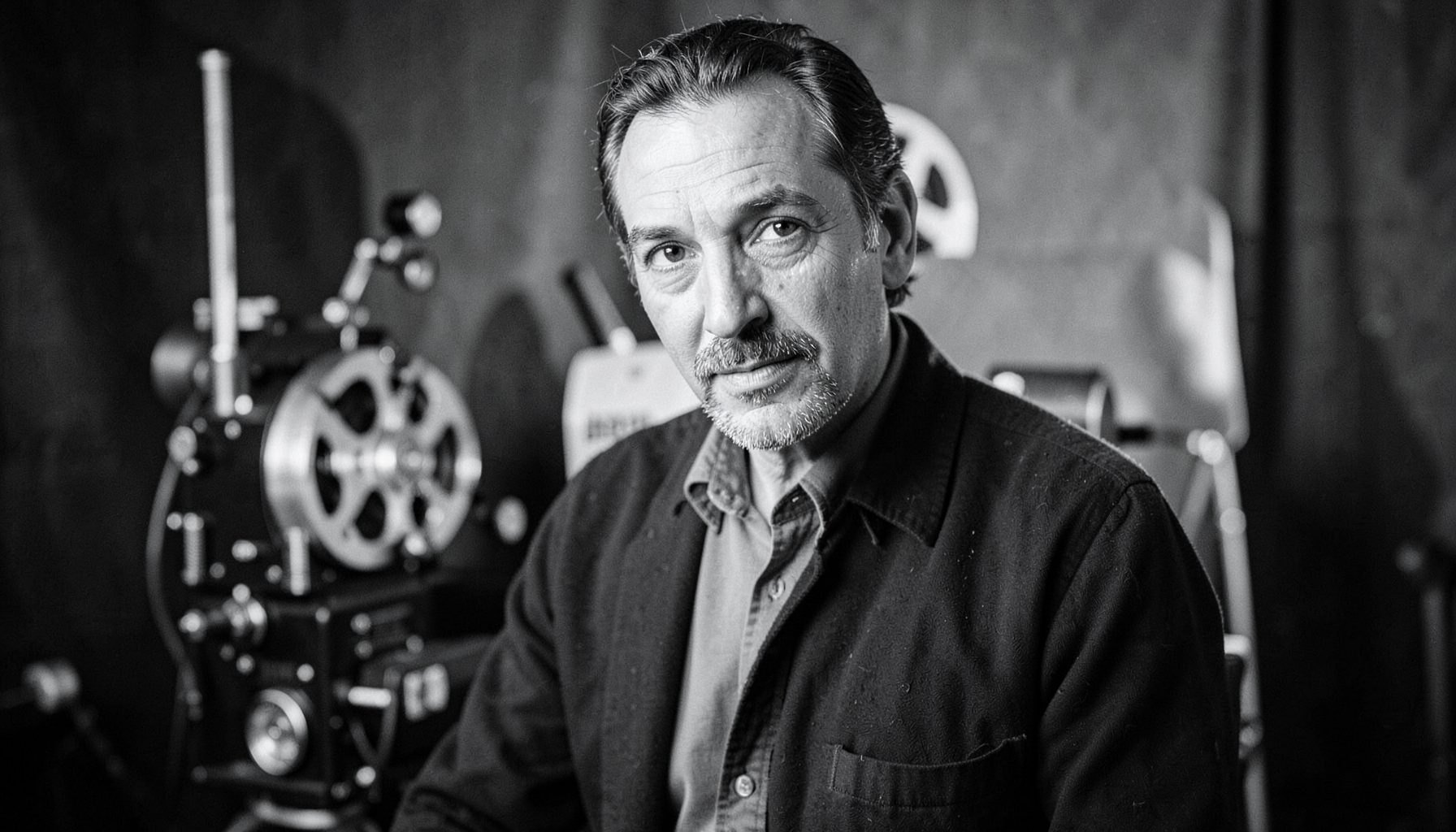

Shagrir’s Images of Israel’s 1977 Political Upheaval
In May 1977, Israel experienced a political shock that reshaped its public life. The Likud bloc, led by Menachem Begin, defeated the long-dominant Alignment, bringing the Labour movement’s uninterrupted control of government to an end. The result became known as the mahapach, or “upheaval”, a word that captured both the electoral change and the deeper social forces behind it.
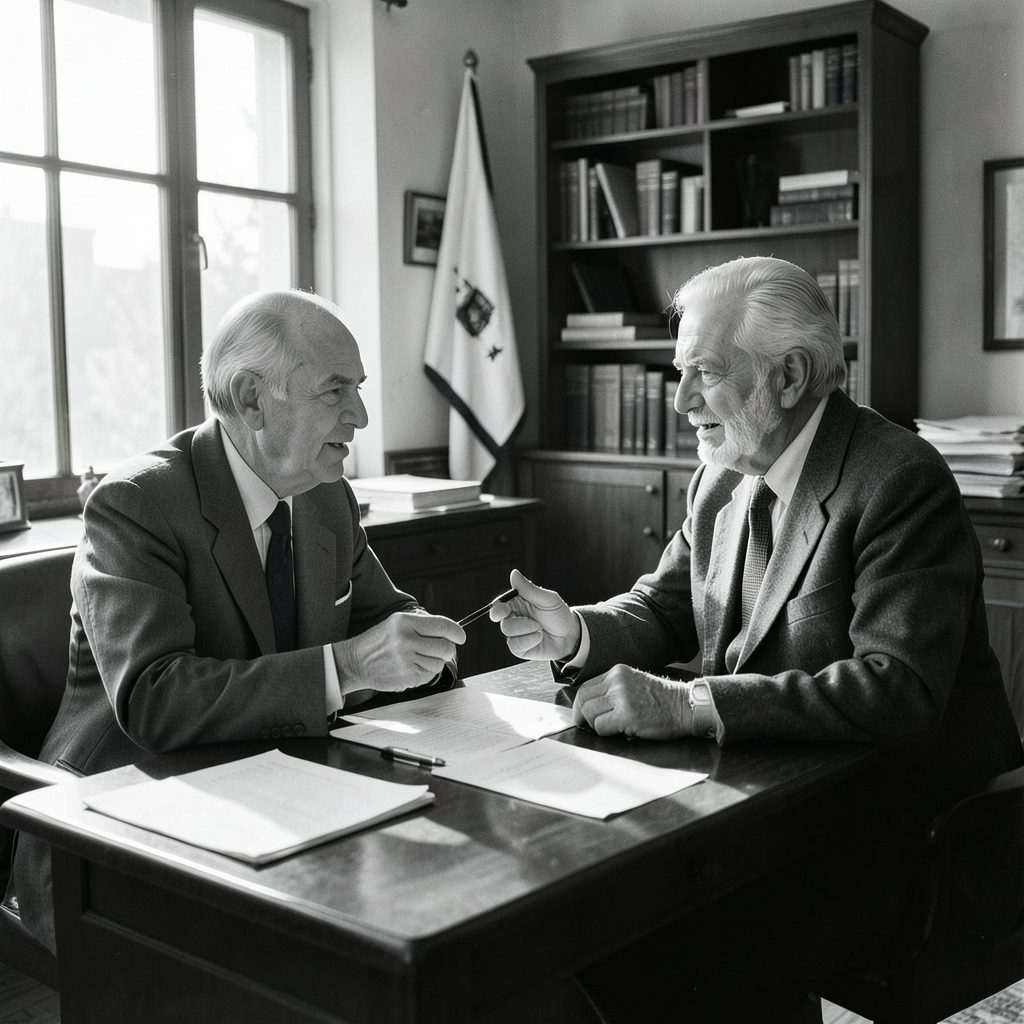
Micha Shagrir’s photographs, documentary work, recordings, and papers offer a way to study that moment through faces, streets, gatherings, workplaces, and political rituals. Rather than treating the election as a simple contest between parties, the collection helps place it within a wider history of class, ethnicity, military experience, migration, media, and public protest.
For Australian audiences, these records can make a distant political event feel tangible. A campaign rally in Tel Aviv, a conversation in Jerusalem, or a tense street scene may be read alongside familiar questions about representation, regional inequality, media influence, and the way election nights become part of national memory.
Reading 1977 Through Shagrir’s Camera
Shagrir worked across journalism, filmmaking, photography, and cultural documentation. That combination gave him access to both formal political events and the less polished spaces where public opinion was formed. His lens could move from party leaders and campaign stages to ordinary citizens whose expressions, clothing, signs, and conversations revealed how political change was being experienced.
The value of these images lies in their detail. A photograph may show the arrangement of bodies at a rally, the distance between a speaker and the crowd, or the visual language used on a poster. Documentary footage can preserve accents, pauses, gestures, and street noise that written election accounts often leave out. These elements help researchers consider how people saw themselves within a rapidly changing society.
The collection’s documentary films are especially useful when studying the relationship between moving images and political history. Film captures rhythm and atmosphere: the build-up to a public meeting, the waiting before results, or the sudden release of emotion after an announcement.
The Election That Broke Labour’s Dominance
The 1977 result was shaped by more than a single campaign. The Yom Kippur War had weakened public confidence in Labour leadership, while corruption scandals and political fatigue damaged the governing establishment. Economic pressures, inflation, and disputes over social priorities also influenced voters. The election brought these concerns together in a contest over trust and belonging.
Begin’s victory marked the first time the right-wing Likud bloc formed Israel’s government. It was a major change in the country’s political map, yet the transition was not simply a matter of party arithmetic. It reflected a growing sense among many voters that the state’s institutions and cultural leadership had favoured one social group over others.
Visual records make this shift easier to examine without reducing it to a statistic. Campaign imagery shows how parties presented authority, security, Jewish identity, economic promise, and national renewal. The contrast between official political language and the reactions of citizens can reveal the emotional texture of the election more clearly than a result sheet alone.
Mizrahi Protest And Political Belonging
Many Mizrahi Jews, whose families had come from North Africa and the Middle East, felt excluded by the Ashkenazi-dominated Labour establishment. Their grievances involved housing, employment, education, public respect, and access to influence. These issues had accumulated over decades, especially in development towns and poorer urban neighbourhoods.
The Black Panthers movement, founded in Jerusalem in 1971, had already forced social inequality into national debate. By 1977, its language of protest had entered a broader political conversation. Shagrir’s images can be approached as records of this struggle over visibility: who appeared in national media, who was spoken about rather than listened to, and whose experience counted as representative of Israel.
This history has resonance in Australia, where political debates about migration, remote communities, class, and cultural recognition also depend on who controls the public image of a nation. Comparing the two countries requires care, but the underlying archival question is shared: how can photographs show exclusion without turning communities into symbols or stereotypes?
Streets, Crowds, And The Media Event
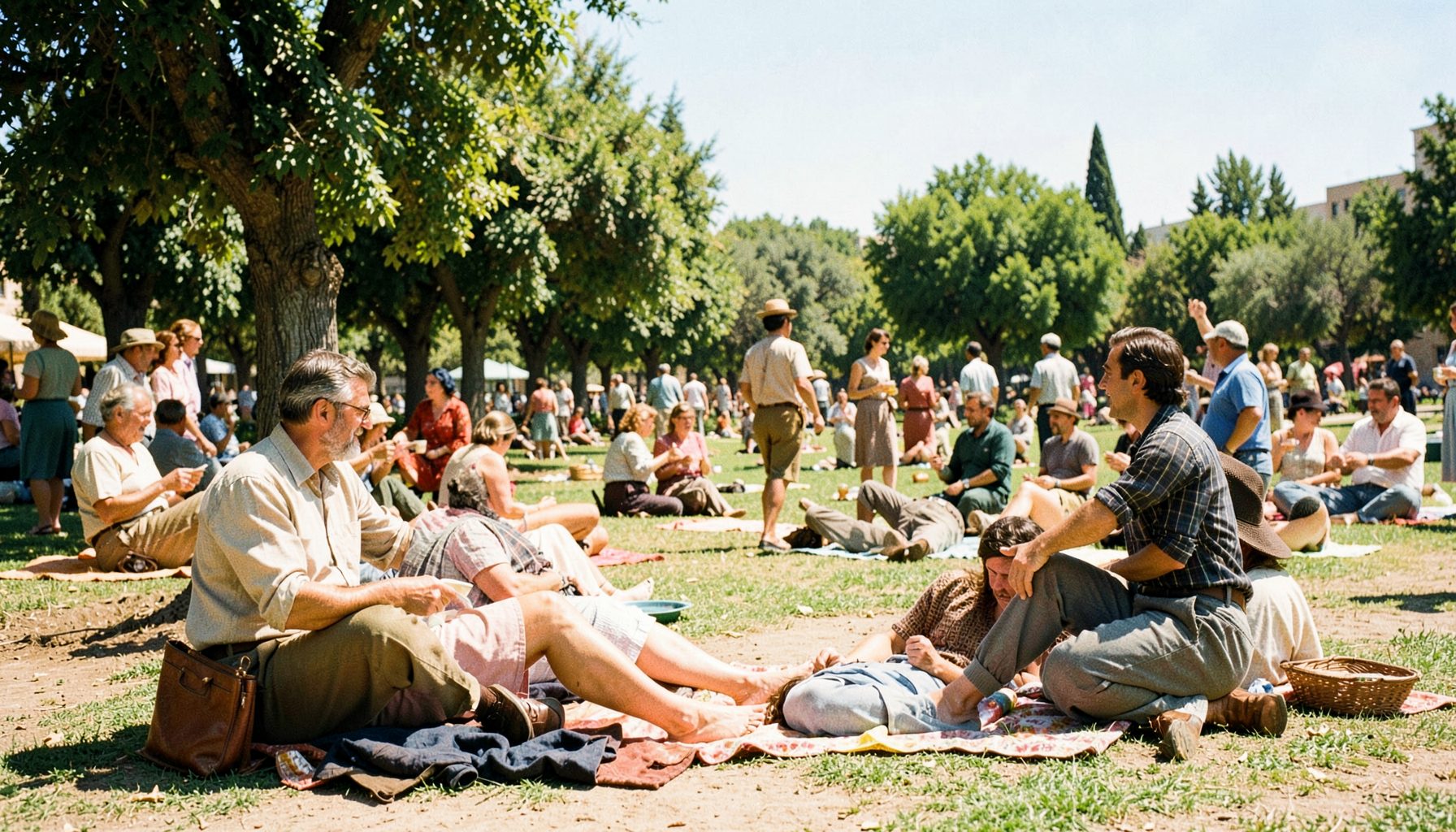
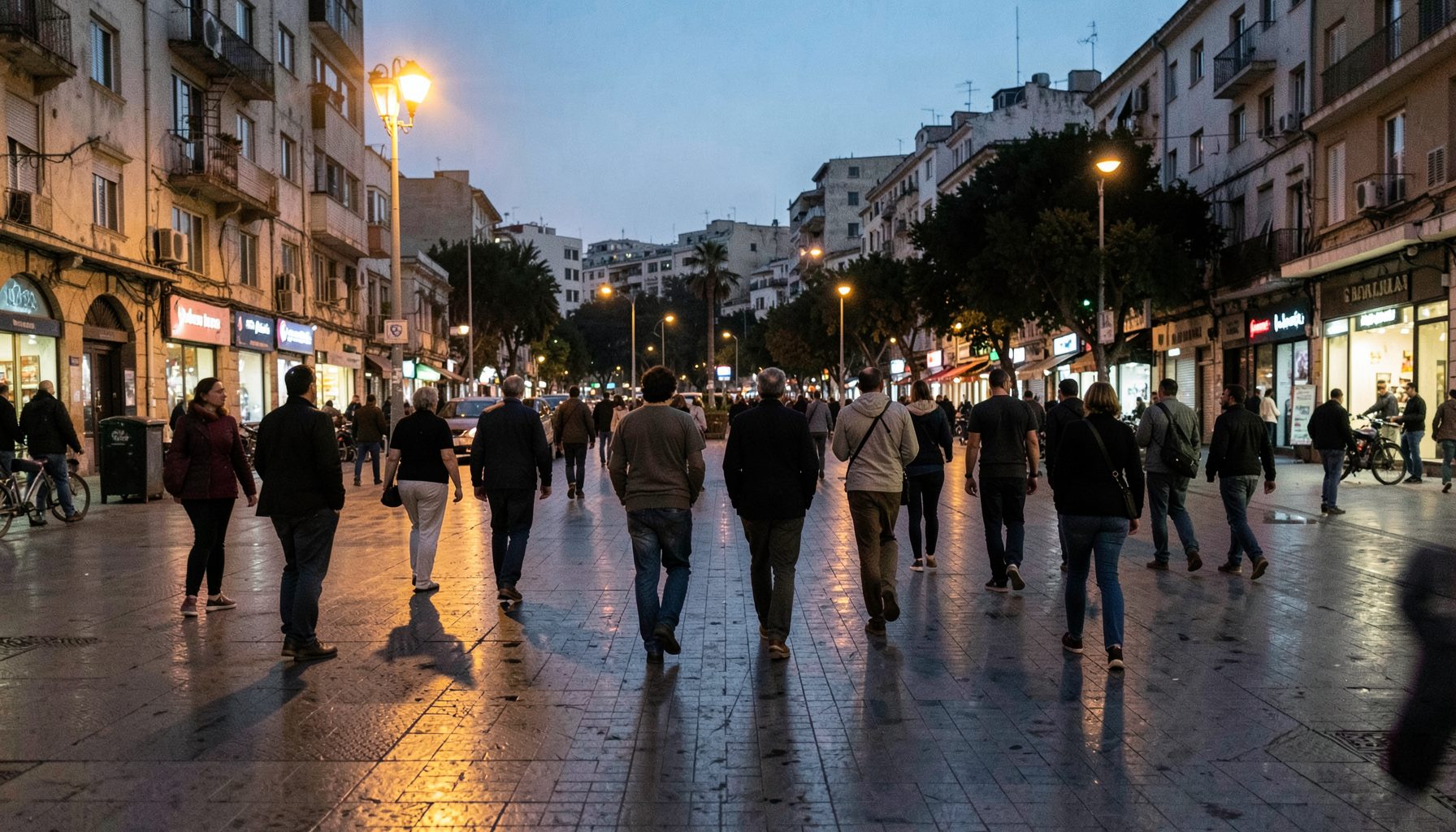
Election politics in 1977 unfolded through newspapers, radio, television, posters, public meetings, and face-to-face organising. The campaign was experienced in homes and neighbourhoods as much as in parliament. A photograph of a crowd may therefore document a media event, but it may also preserve the social habits surrounding it: people gathering after work, discussing results in cafés, or listening to broadcasts late into the night.
For Australians accustomed to televised election coverage, live blogs, and polling-night panels, these images offer a slower media environment. In Sydney or Melbourne, election discussion now travels through mobile phones and social platforms as people commute, shop, or meet at a local pub. In 1977 Israel, communication was more concentrated, yet public attention could still move quickly through radio reports, newspapers, and word of mouth.
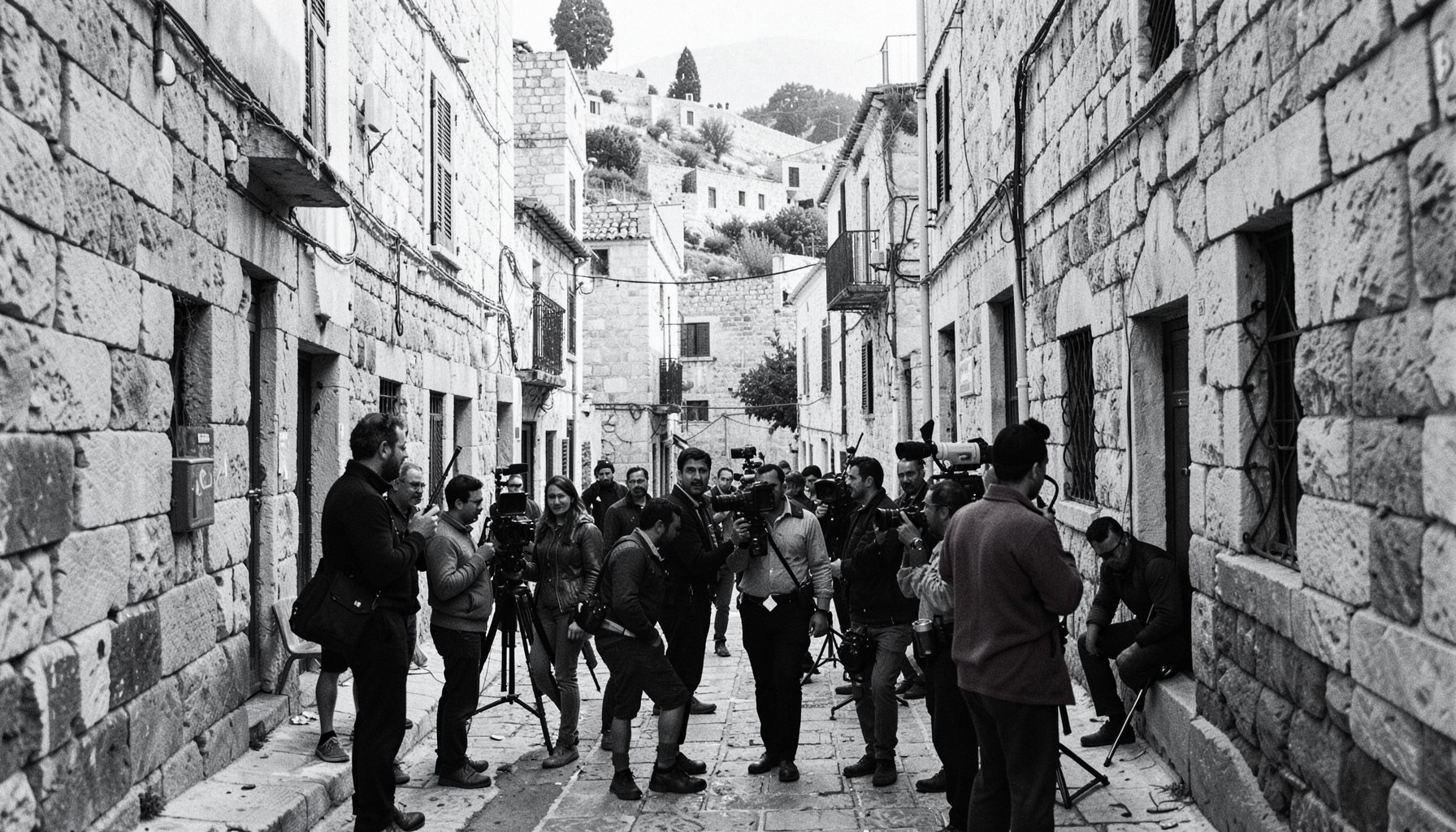
The photographic gallery provides a starting point for examining composition as evidence. Background details matter: shopfronts, transport, banners, architecture, military references, and the position of photographers within a crowd. They can help distinguish a staged campaign image from an improvised record of public feeling.
Preserving Evidence Beyond The Original Moment
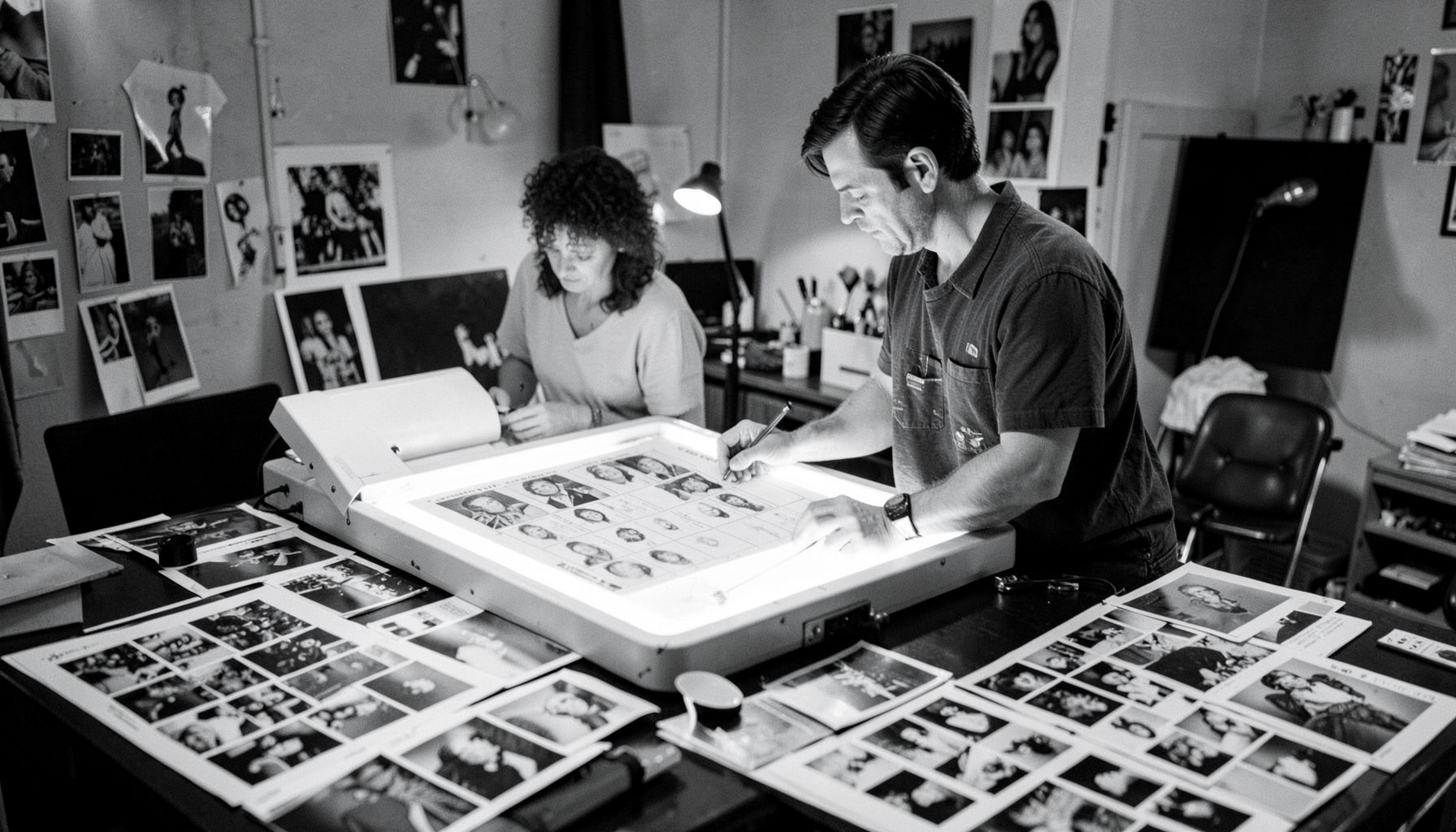
An archive is more than a collection of memorable pictures. Negatives, prints, film reels, sound recordings, correspondence, and production notes can show how an image was made, selected, reproduced, and circulated. Captions may identify people and places, while paper records can reveal the editorial decisions behind a broadcast or publication.
Digitisation makes these materials easier to discover, but it does not remove the need for careful preservation. Film stocks require stable storage, photographs need appropriate environmental conditions, and original order can carry meaning. Metadata also matters: a date, location, event name, or subject identification may determine whether future researchers can connect one image to a larger historical record.
Australian users may recognise a related challenge in the work of libraries, museums, and community archives across Brisbane, Perth, Adelaide, and regional centres. The Australian Copyright Act 1968 affects how digitised photographs and films can be copied or reused, while privacy and cultural-sensitivity concerns influence how personal records are described. Access must therefore be balanced with rights, context, and responsible stewardship.
Why The 1977 Images Still Matter
The political upheaval of 1977 continues to shape Israeli public memory. Later debates about nationalism, religion, security, economic policy, and the place of Mizrahi culture often return to the shift that began with that election. Shagrir’s work helps connect those later arguments to the lived experiences of people who stood in crowds, watched leaders speak, or confronted the limits of the existing order.
For researchers, teachers, and family historians, the archive can support several forms of inquiry. A classroom may compare a campaign photograph with a newspaper account. A filmmaker may study documentary framing. A descendant may recognise a neighbourhood or relative. A scholar may trace how a political movement changed its visual vocabulary across different elections.
The collection also demonstrates why private and institutional support matters. Preservation requires conservation, cataloguing, digitisation, specialist equipment, and long-term maintenance. The archive’s archive supporters help sustain the work needed to make primary sources available rather than leaving them inaccessible in deteriorating formats.
Approaches For Studying The Archive
A strong reading of Shagrir’s material should combine visual attention with historical research. Researchers can record what is visible, identify what is absent, and avoid treating a single photograph as a complete account of public opinion. Comparing several images from different locations can reveal patterns while still respecting local differences.
Australian students and general audiences can also connect the material to everyday experiences without forcing a direct comparison. Election posters in a Tel Aviv street are not equivalent to campaign corflutes outside a Melbourne polling place, and Israeli social divisions in 1977 cannot be mapped neatly onto Australian politics. Yet both settings show how images help societies negotiate power and belonging.
- Check dates, places, captions, and related records before drawing historical conclusions.
- Compare formal campaign portraits with crowd scenes, street photographs, and documentary footage.
- Pay attention to clothing, language, architecture, signs, and social groupings in the background.
- Read Mizrahi protest as a history of political agency rather than treating it as a decorative theme.
- Consider copyright, privacy, and cultural sensitivity before reproducing archival material in Australia.
- Use photographs alongside oral histories, newspapers, election results, and institutional records.
- Preserve accurate source information whenever an image is cited, shared, or displayed.