
Shagrir and the Making of a Contested Landscape
Micha Shagrir’s documentary on Israeli security-fence construction turns a contested piece of infrastructure into a record of process, labour and historical change. Rather than treating the barrier as a finished object, the film directs attention to the stages through which a landscape is surveyed, secured and redrawn. That perspective gives the work value for viewers interested in Israeli politics, documentary filmmaking and the physical traces of state policy.
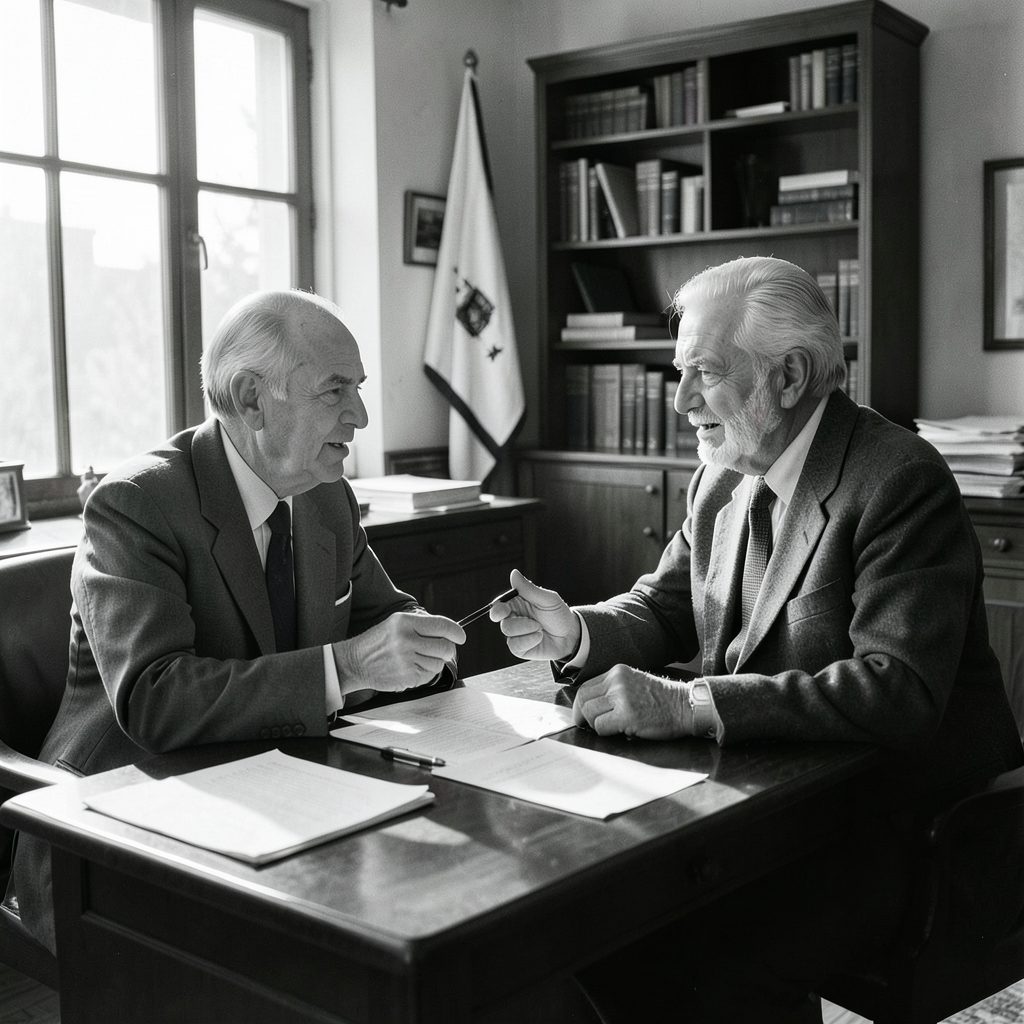
Within The Shagrir Collection, the documentary sits among negatives, prints, films, recordings, personal papers and photographs preserving the working archive of a filmmaker, producer, photographer and journalist. These sources connect a public historical event to choices about framing, access and memory. They also show why images of wire, concrete and open land remain politically charged after the cameras leave the site.
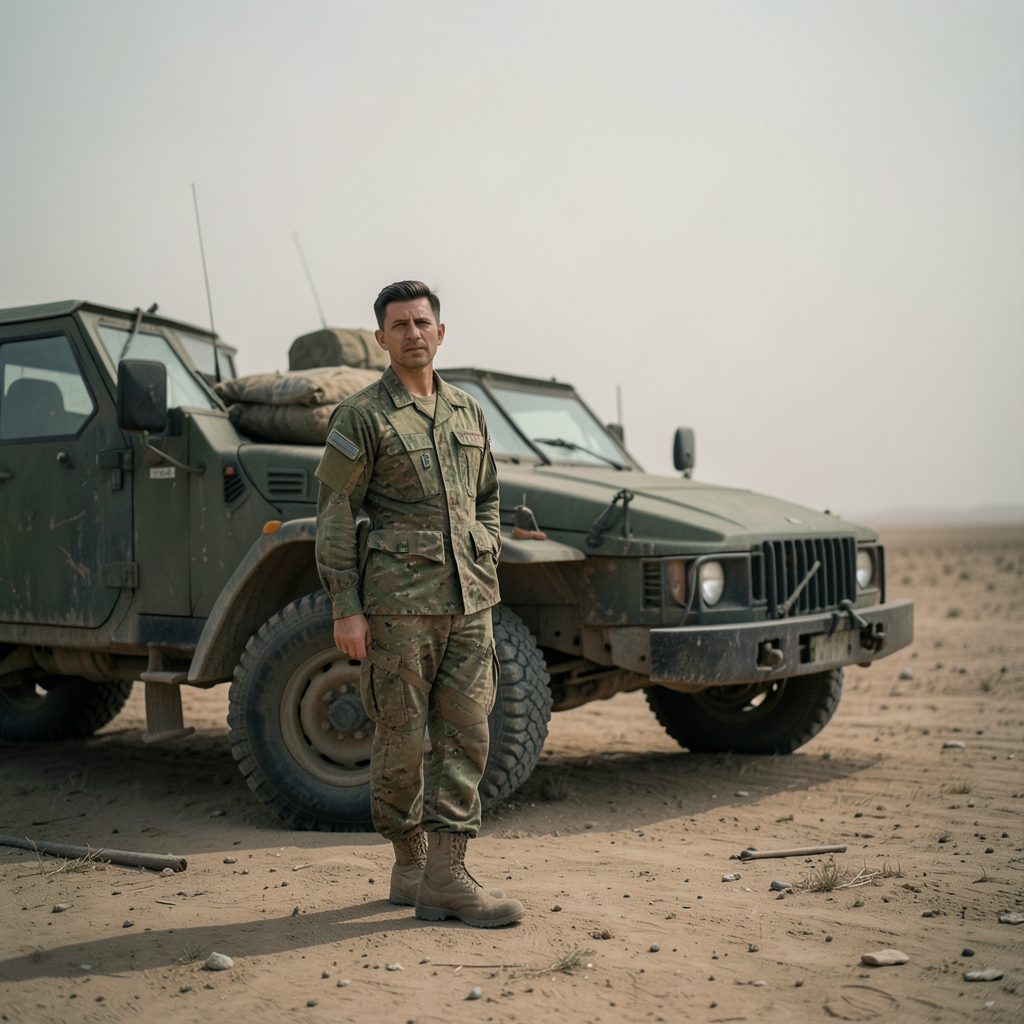
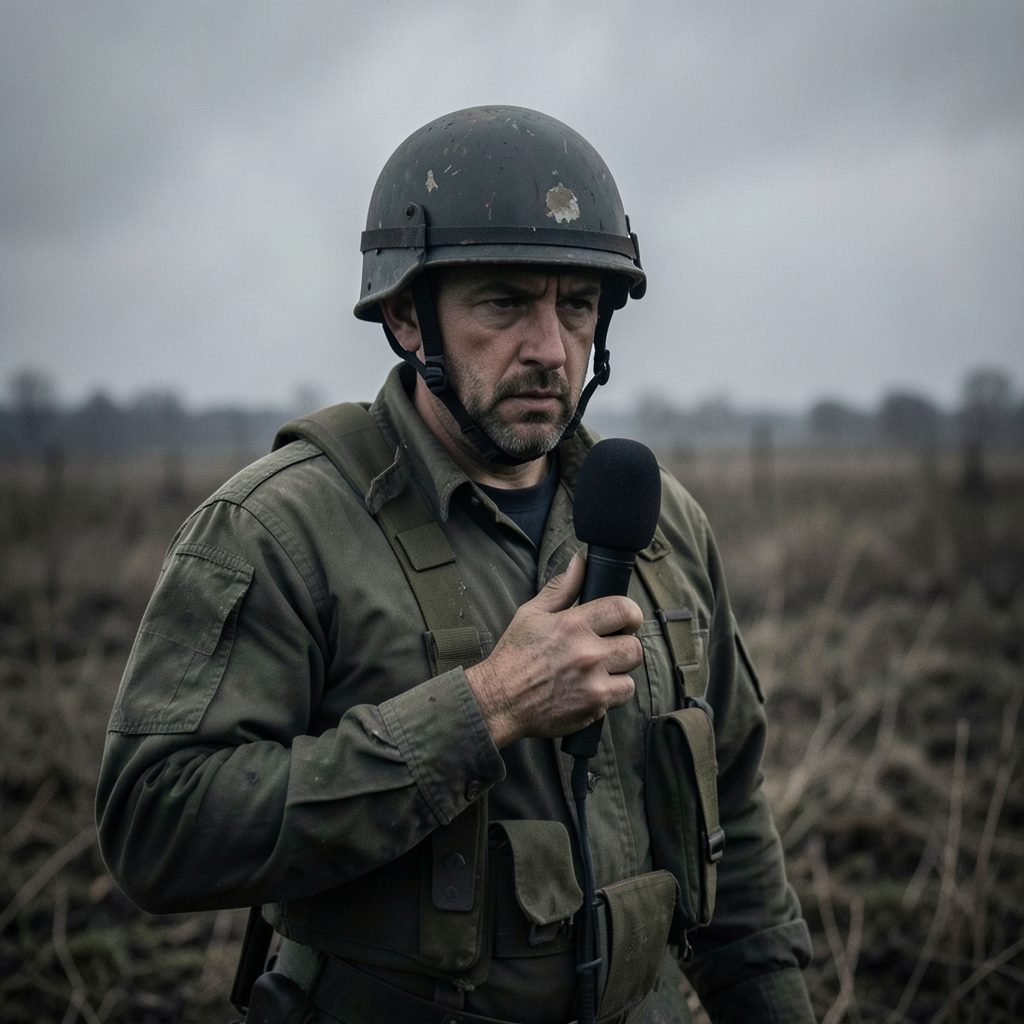
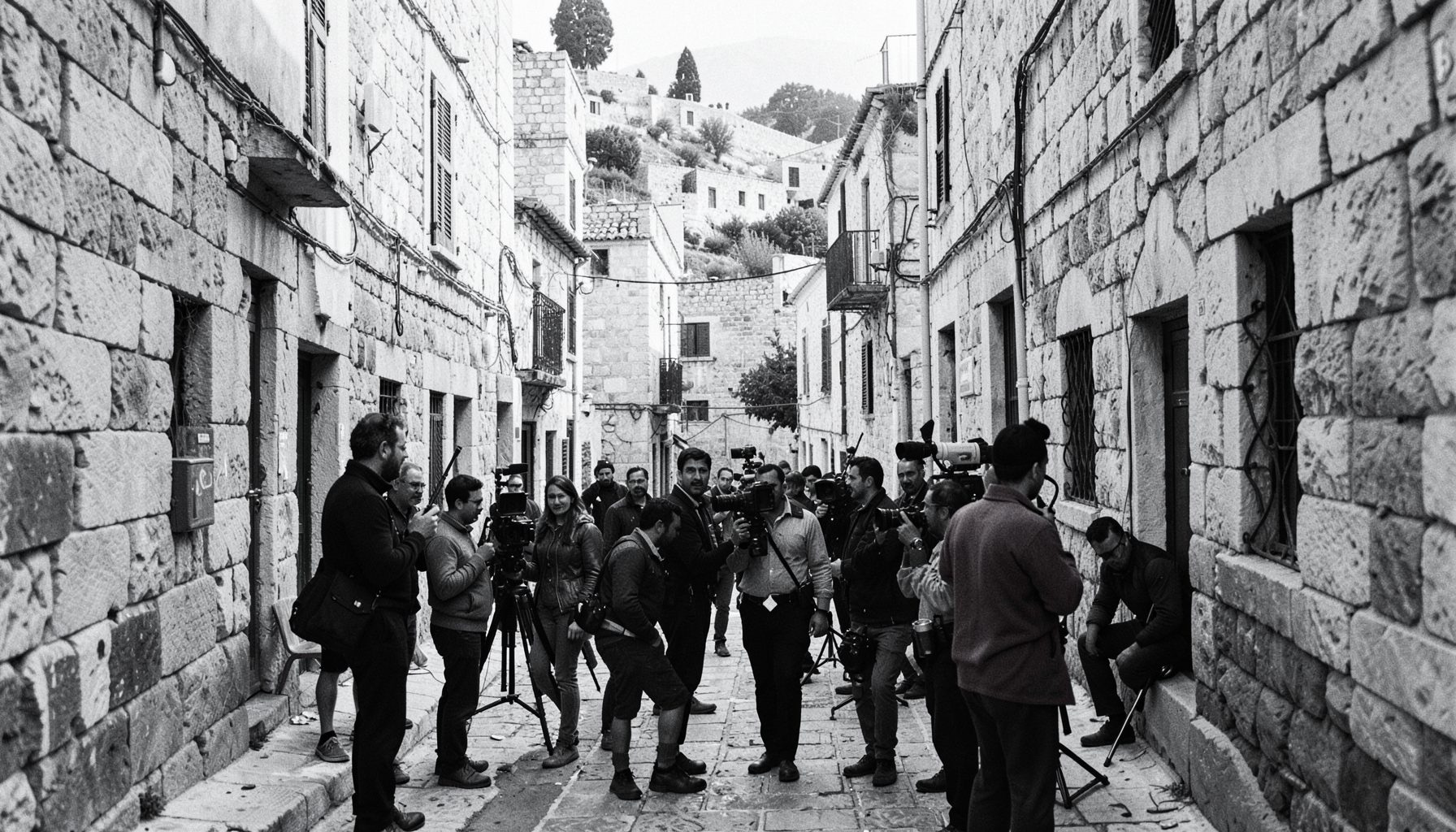
A filmmaker at the construction site
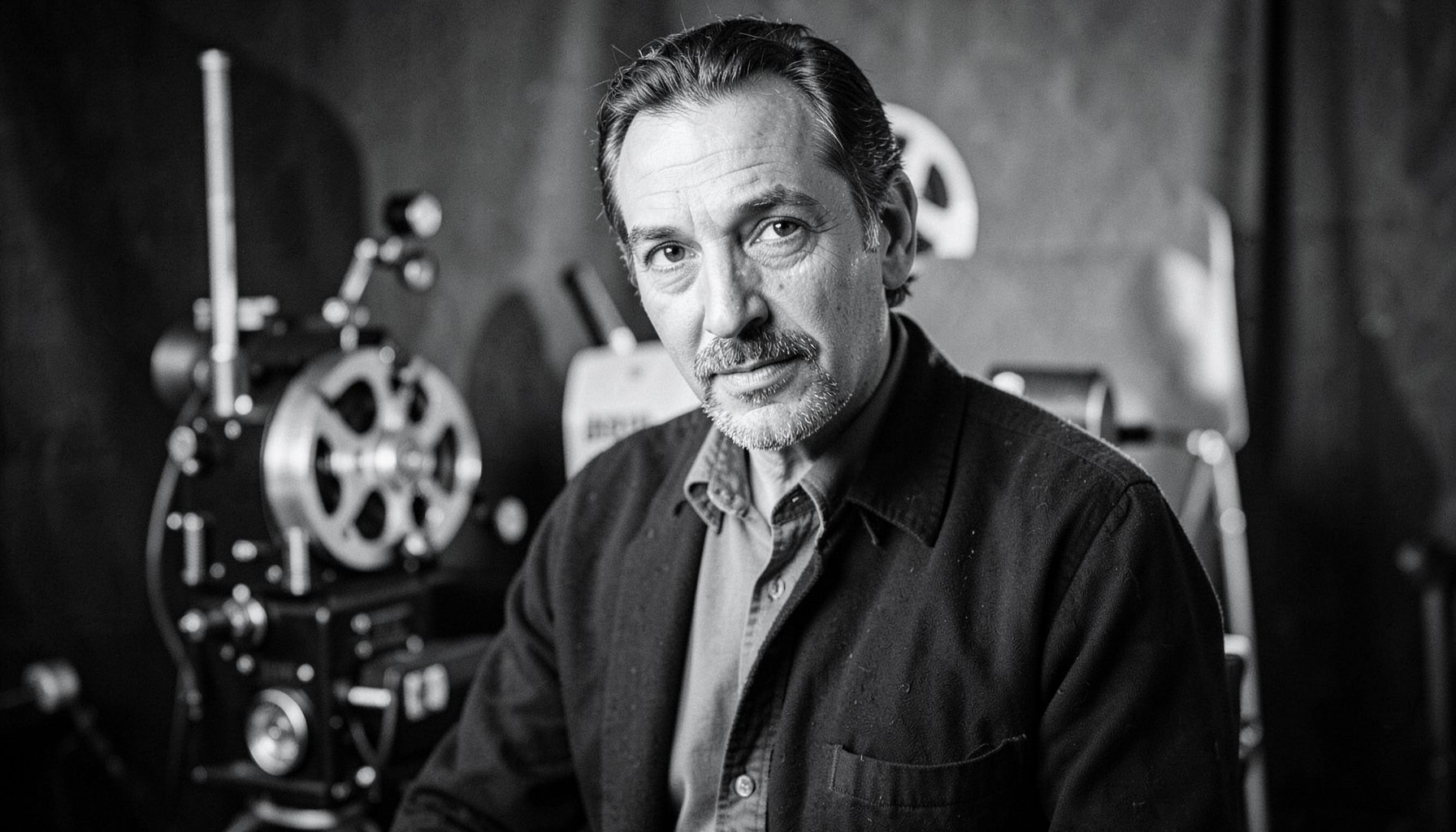
Shagrir’s background in documentary production places the project within a sustained concern with evidence and the public record. The work can be read as both historical observation and a study of documentary practice. It considers how the presence of a camera shapes what becomes visible: machinery, security arrangements, workers and the communities surrounding them.
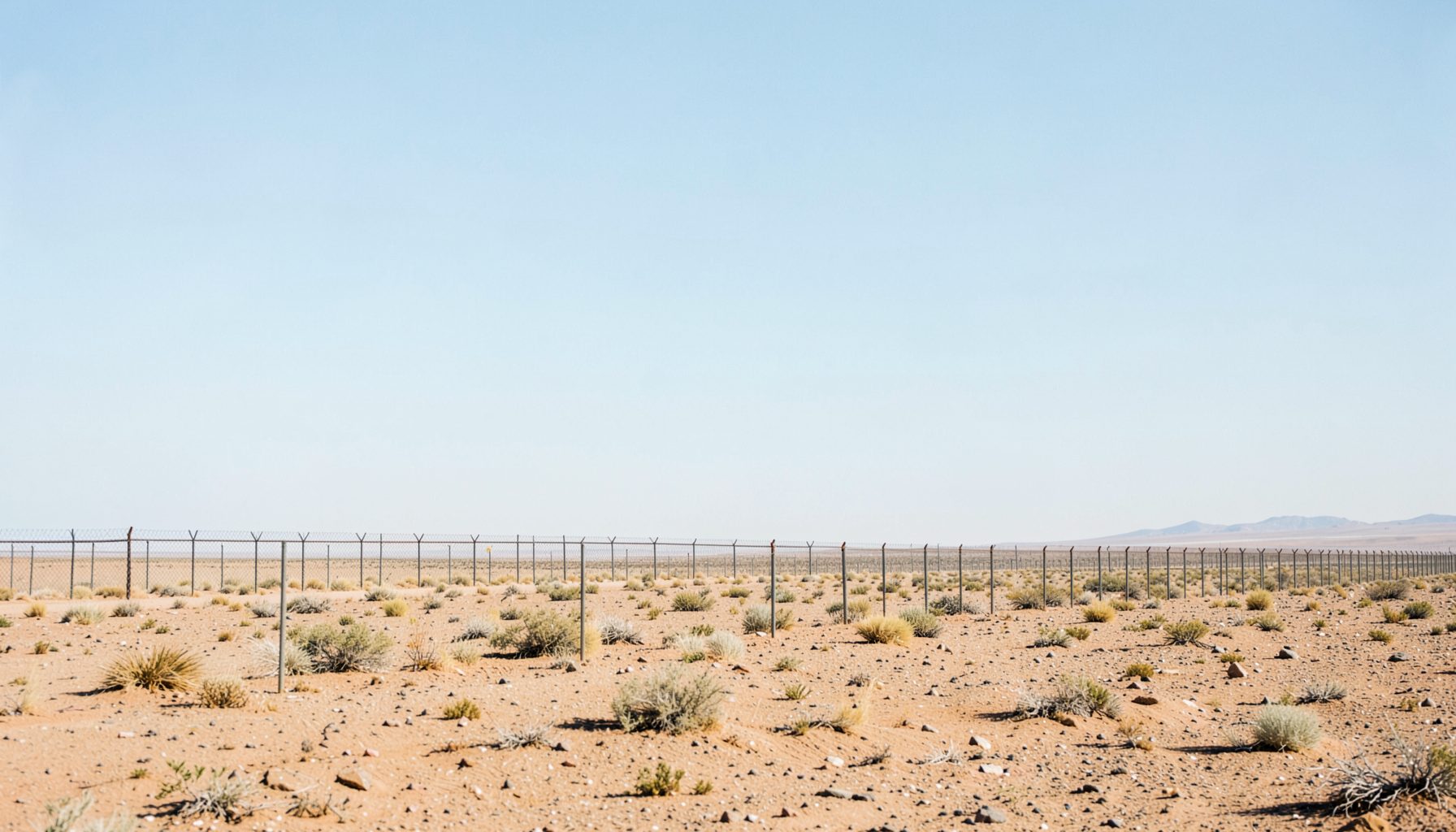
Its subject is the Israeli security fence in the West Bank, more commonly described in official usage as the separation barrier. Construction began in 2002 and accelerated after the Second Intifada, with routes, gates and physical specifications changing over time. Those changes suit Shagrir’s method: a developing event can be examined through its stages rather than reduced to a retrospective summary.
Terminology requires care. Wire-mesh fencing, concrete wall sections, observation posts, cameras and razor wire are different components, and the label used for a site should match what is visible. For Australian viewers accustomed to boundary fences, this distinction is essential; it prevents a familiar object from erasing the particular history of the Israeli barrier.
Light, landscape and the camera’s viewpoint
Shagrir’s outdoor image-making is especially relevant because the documentary relies on the changing appearance of terrain, weather and metal surfaces. A study of natural light in his portraits describes how illumination can model a face, define depth and give an ordinary setting a distinct atmosphere. The same attention to light becomes a means of reading the fence landscape.
The collection’s photographs and documentary holdings suggest a continuity between portraiture and landscape observation. In an outdoor portrait, light reveals character and distance; beside an unfinished barrier, it can expose scale, texture and isolation. Sharp shadows may make a structure imposing, while softer or flatter light can reveal an expanse that a dramatic image would obscure.
Close attention to the fence’s material details is historically useful. Mesh interrupts sightlines, concrete changes the acoustic character of a place, and watchtowers create elevated viewpoints over roads and fields. The documentary therefore extends its subject from engineering to the social geography of security, showing how construction alters movement, observation and everyday life.
Evidence beyond the finished film
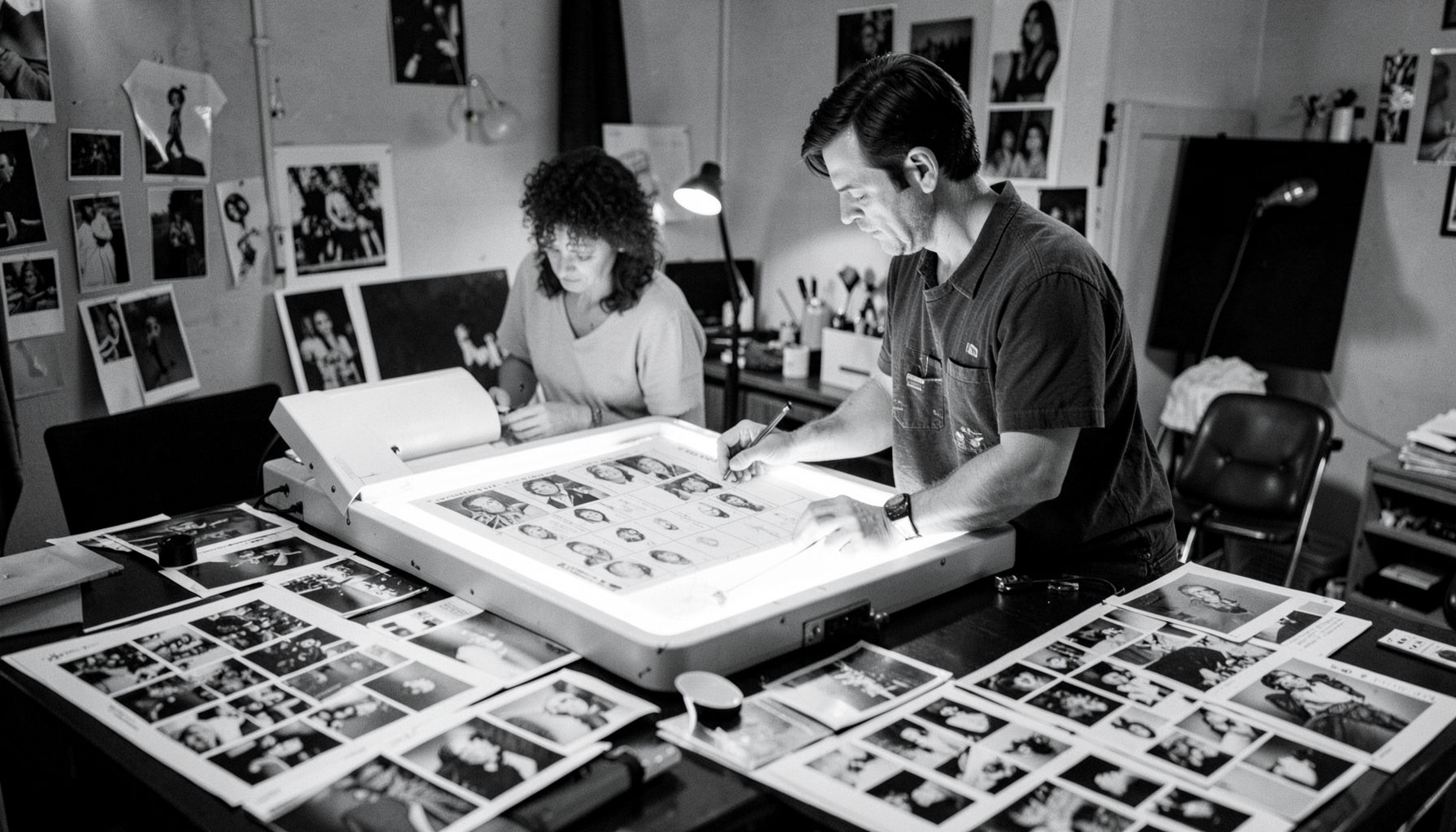
A finished film is only one layer of the Shagrir archive. Negatives, prints, personal papers and recordings provide different kinds of evidence: the image as made, the image as circulated, and the circumstances surrounding its production. Together they can support research into chronology, editing and the relationship between Shagrir’s public assignments and his broader documentary work.
Fragments and outtakes, where they survive and can be authenticated, can disclose choices removed from the final cut. Their value lies in revealing editorial decisions rather than offering a supposedly purer version. Sound recordings may also preserve voices, locations and ambient noise that help researchers test a sequence’s context, provided they are catalogued alongside the relevant film.
Researchers seeking confirmation of a film’s title, date, sequence or reproduction status can contact the archive. Good cataloguing distinguishes documented facts from later interpretation, particularly within a contested political history where precise dating and provenance matter.
Comparing the archival evidence
Placing the documentary beside other holdings in the collection allows a comparison of purpose, viewpoint and evidentiary reach. The aim is not to rank sources or reduce the film to an illustration of a biography. It is to see how moving images, still photographs, paper records and sound can corroborate a history while retaining different perspectives.
| Dimension | Documentary focus | Supporting collection material | Comparative research value |
|---|---|---|---|
| Subject | Israeli security-fence construction and its changing physical form | Photographs, negatives and personal papers | Connects a public event with Shagrir’s working methods |
| Viewpoint | Filmed observation of sites, people and landscape | Portrait studies and documentary photographs | Compares personal and public modes of seeing |
| Chronology | Sequences that organise construction into stages | Dated prints, papers and recordings | Checks dates, sequence and editorial structure |
| Material detail | Mesh, concrete, gates, surveillance and terrain | Original negatives and prints | Supports close visual and technical analysis |
| Access | The work as screened | Online records and requests for archival access | Clarifies what can be studied and under what conditions |
Read across these columns, the collection does more than preserve images of the barrier. It preserves the relationship between a filmmaker’s decisions and the public history those decisions addressed. An exhibition or teaching programme can distinguish the filmed event from its surviving traces without treating either as a complete substitute for the other.
Australian parallels and practical context
Australian viewers may find familiar details in the subject, but resemblance should not be mistaken for equivalence. Boundary fences around Melbourne backyards, security screens on Sydney terraces and chain-link beside railway lines occupy different legal and social settings. Everyday journeys on suburban trains and trams offer a local lens for considering how infrastructure regulates access, though comparison cannot collapse distinct histories.
The local market supplies an equally visible parallel. Hardware stores stock rolls of wire mesh, fence posts, gates and privacy screens for weekend do-it-yourself projects, the same broad material family encountered around the security fence. This familiarity can open discussion about recognition and discomfort: viewers can identify the objects while examining the political circumstances that give their use radically different significance.
Legislation sharpens that distinction. State and territory councils regulate boundary-fence heights, sightlines and permit requirements, with rules varying by location. Victorian backyard fencing can generally reach 1.8 metres without a permit, subject to exceptions involving roads, swimming pools and heritage areas; other states publish different guidance. For cultural institutions, Australian copyright law also matters: photographs, film and sound recordings are generally protected for 70 years after the creator’s death, so public access does not automatically confer reuse rights.
Recommendations for responsible engagement
For screenings, exhibitions and classrooms, the documentary works best when treated as historical documentation rather than a self-contained verdict. The surrounding collection provides material for provenance, visual analysis and discussion of how documentaries shape public understanding of security, borders and land.
These recommendations support careful engagement without turning the film into a prop for a predetermined argument:
- Show the documentary with a dated map of the barrier and a clear chronology of construction, avoiding present-day maps that flatten subsequent changes.
- Pair the film with photographs, documents and oral histories that identify workers and communities without treating unidentified people as interchangeable witnesses.
- Discuss framing as evidence: note where the camera pauses, how barriers enter the composition and what lies outside the image.
- Record dates, locations, sequence information and reproduction permissions in every exhibition label, catalogue entry and programme note.
- Create opportunities for sustained discussion through cinema screenings, library talks and university sessions that connect Australian experience to international histories without claiming direct equivalence.
Preserving original film, prints and negatives remains essential alongside digitisation, which can widen access but cannot replace conservation or contextual description. The Shagrir Collection’s combination of biography, images and documentary work allows a public history to be examined through the traces of how it was witnessed, edited and preserved. That meeting between subject and process is the collection’s distinctive contribution.