
Shagrir and the founding of Tel Aviv University
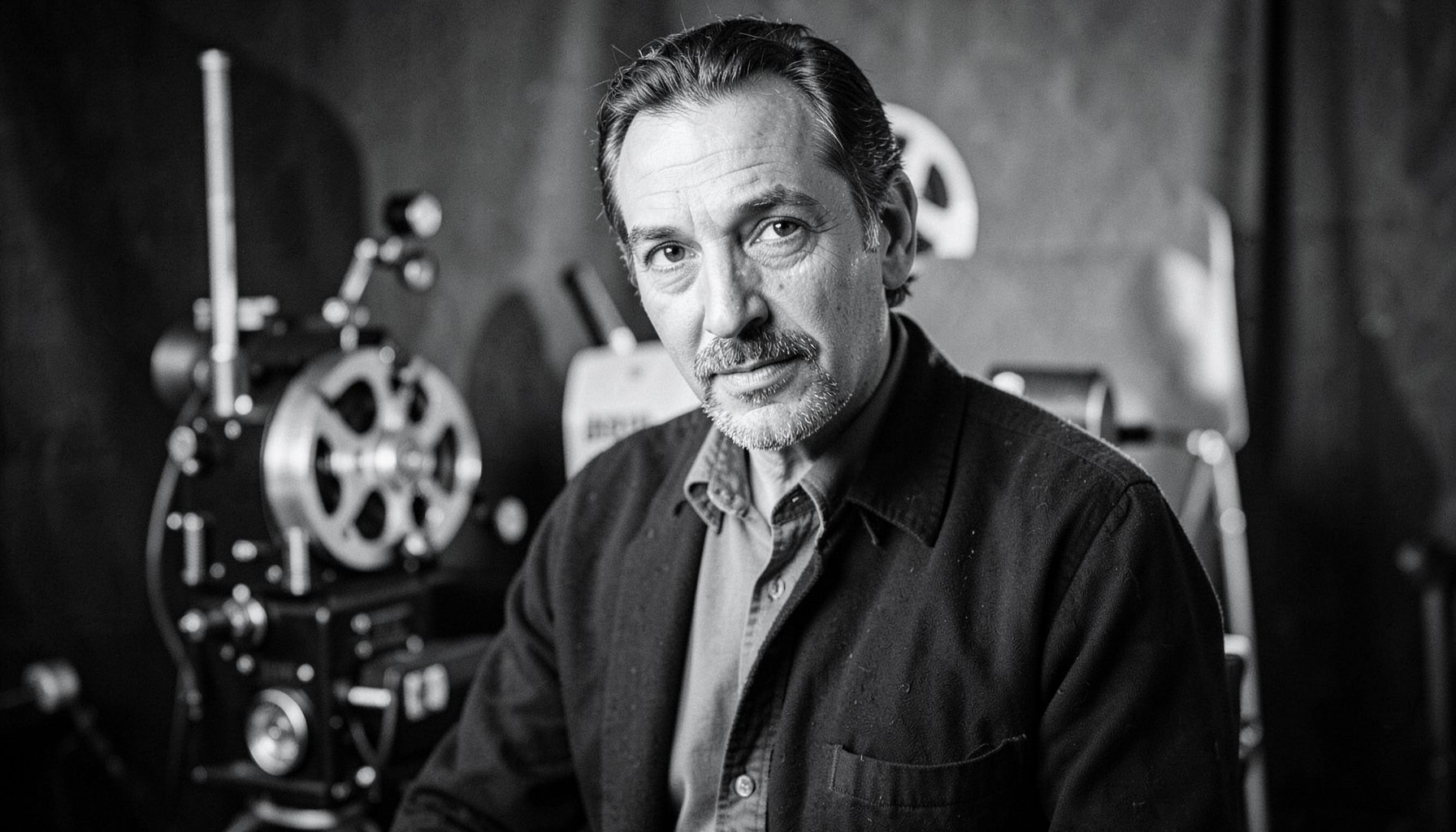
Micha Shagrir built a career across filmmaking, journalism and photography, disciplines that shape historical memory in different ways. His documentary on the founding of Tel Aviv University sits at the centre of this story, but its importance becomes clearer within the wider Shagrir Collection of films, negatives, prints, recordings and personal papers.
The university’s creation was both an academic milestone and a civic event. A documentary can hold institutional decisions, public ceremony, architecture and the lives of early students within one historical frame, while an archive allows each layer to be examined after official accounts have settled into familiar language.
For Australian viewers, the subject offers a comparison between commemorative histories and the material evidence behind them. The film can be watched as a portrait of a new university and read as a record of how post-war Israel represented its own beginnings.
A documentary as historical witness
Founding can easily sound like a single date: a ceremony, a signature or the day the doors open. Shagrir’s documentary makes the process visible by connecting institutional decisions to the practical work of creating a university—recruiting teachers, admitting students, preparing rooms and bringing a new campus into the life of a city.
Moving images are effective here because they carry movement, speech and sequence. A speech can reveal official language, while changing locations show a campus becoming tangible. The documentary therefore works simultaneously as institutional history, social observation and a record of how contemporaries imagined the university’s future.
Roots before the university
Tel Aviv University did not begin from nothing. Its institutional ancestry includes the University of Jaffa, established in 1911, the College of Jewish Studies and the Abraham Bension School of Law, all rooted in the changing educational needs of the Jewish community in Mandatory Palestine. These histories matter because the 1956 foundation joined existing ambitions to the new state’s demand for universities.
When Tel Aviv University opened in 1956, it inherited decades of discussion about secular learning, Jewish scholarship and national development. Its early scale—a first cohort of about 150 students—contrasts with the later scale of a major research institution. Shagrir’s film preserves that transitional moment, before retrospective histories compressed years of preparation into a single public act.
Journalism, photography and historical method
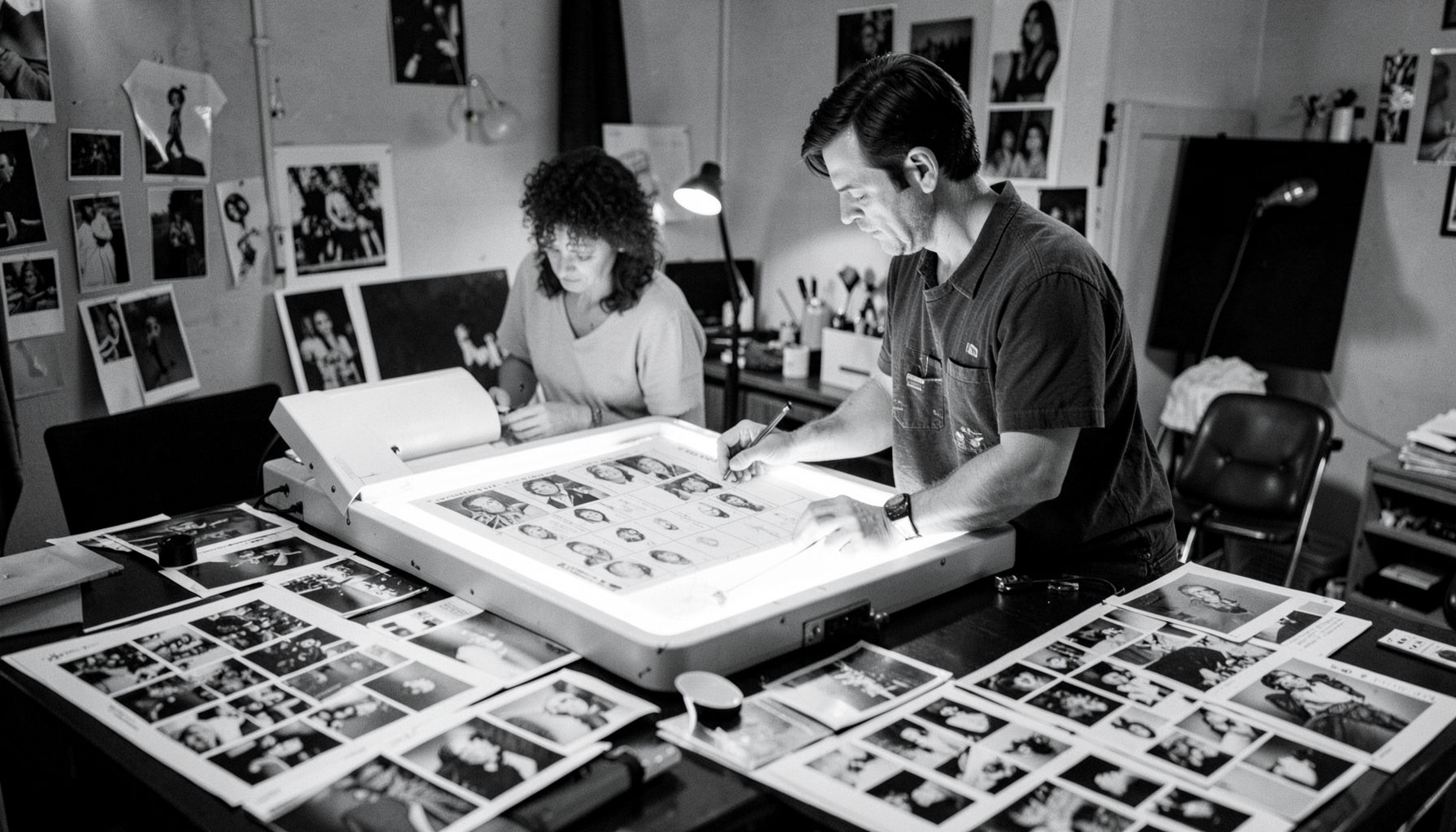
Shagrir’s career gives the documentary a distinctive perspective. Journalism made him attentive to official claims, public events and the gap between announcement and experience; photography taught him to notice gestures, faces, buildings and material detail; film added duration and sequence. Together these practices ask how a public institution becomes real in the lives of the people associated with it.
Still photographs and moving images answer different historical questions. A photograph can be studied for composition, place and relationship, while film reveals duration: how a crowd gathers, how an official approaches a lectern or how a student crosses an unfamiliar threshold. Read alongside one another, they can test the language of institutional publicity without discarding the emotion carried by individual faces.
Australian readers often encounter this kind of history through public libraries, specialist bookshops, university collections and community screenings rather than one national institution. In the country’s compact market for independent and scholarly publishing, resources such as independent writing resources also show why credible selection and accessible interpretation affect who gets to engage with archival material.
Personal photographs and institutional history
The value of the Shagrir Collection lies in its range of formats. Negatives reveal photographic choices before printing; prints show how images circulated; films preserve speech, sequence and sound; recordings add testimony, while papers preserve correspondence and administrative detail. The wider holdings place these materials beside evidence tied to Israeli political, military and social history, allowing an official image to be compared with private observation and a filmmaker’s narration checked against surviving documents.
The collection’s personal dimension is especially clear in private family snapshots, which follows Shagrir family photographs from the 1950s. These images do not replace records of university governance, yet they show how public change entered private life: clothing, holidays, domestic interiors and relationships were photographed alongside the social world in which Micha’s work was made. They also complicate any account that treats the founding university as an isolated event.
Commemoration and Australian public culture
A founding narrative normally has an official version and a lived version. The official account may emphasise legislation, ceremony, distinguished speakers and plans for expansion; lived experience may reveal crowded spaces, temporary buildings, early uncertainty and the practical distance between an institution’s ambitions and its daily routine. Shagrir’s documentary belongs in the space between those accounts, preserving movement and atmosphere as well as stated purpose.
This has particular resonance in Australia, where collective commemoration is often marked on ANZAC Day through ceremonies, newspapers, wreaths and images at local war memorials. Such observances show how societies select symbols and stories, while also prompting questions about who made the records, who was present and what remains outside the familiar frame.
Melbourne’s ACMI in Federation Square and Sydney’s Chau Chak Wing Museum illustrate how Australian audiences encounter moving images and photographs within distinctive cultural settings. For this subject, a community cinema discussion, library exhibition or university seminar would naturally place the documentary beside maps, campus records and personal images, extending access beyond specialist scholarship.
Comparing documentary and archival evidence
Placing the documentary beside the wider archive clarifies what each form can contribute. Neither moving image nor still photograph should be treated as a transparent substitute for the past; each is evidence shaped by selection, technology and purpose.
| Dimension | Documentary record | Photographic and personal archive |
|---|---|---|
| Principal purpose | Reconstructs the process and atmosphere of institutional change | Preserves people, places, objects and social relationships |
| Temporal quality | Captures sequence, speech, movement and collective action | Fixes particular moments that can be studied in detail |
| Strongest use | Contextualising ceremonies, decisions and everyday routines | Examining detail, provenance and individual experience |
| Research value | Tests official claims against what appeared on screen | Corroborates or complicates the documentary narrative |
| Characteristic limitation | Editorial framing may omit people or events outside the frame | A still image can conceal what happened before and after the exposure |
The strongest historical reading comes from treating the works as complementary witnesses. The documentary restores chronology, sound and collective action to a subject that paper records often flatten. Photographs and papers, meanwhile, permit close inspection of people, objects and provenance. Neither erases the other; together they show how a national institution was planned, announced and experienced.
Preserving the evidence and widening access
Preservation gives a documentary unusual reach. As audiences and historical contexts change, a film made about a founding can reveal assumptions, omissions and period language that remain invisible in later summaries. Digitisation, careful cataloguing and research can also connect individual reels and negatives with names, dates and places, allowing the archive to correct weak captions and recover neglected perspectives.
The collection’s value grows when access is practical as well as scholarly. An archive enquiry can connect researchers, educators, filmmakers and family holders with the people who manage the holdings, while exhibitions and educational programmes can translate a complex institutional history into material evidence that visitors can see and discuss.
Shagrir’s documentary on Tel Aviv University therefore carries two connected responsibilities: to portray the creation of an academic institution and to demonstrate how moving-image history preserves the texture of public life. Preserved carefully, it gives the founding story greater depth and keeps the people, places and decisions behind that story open to future study.