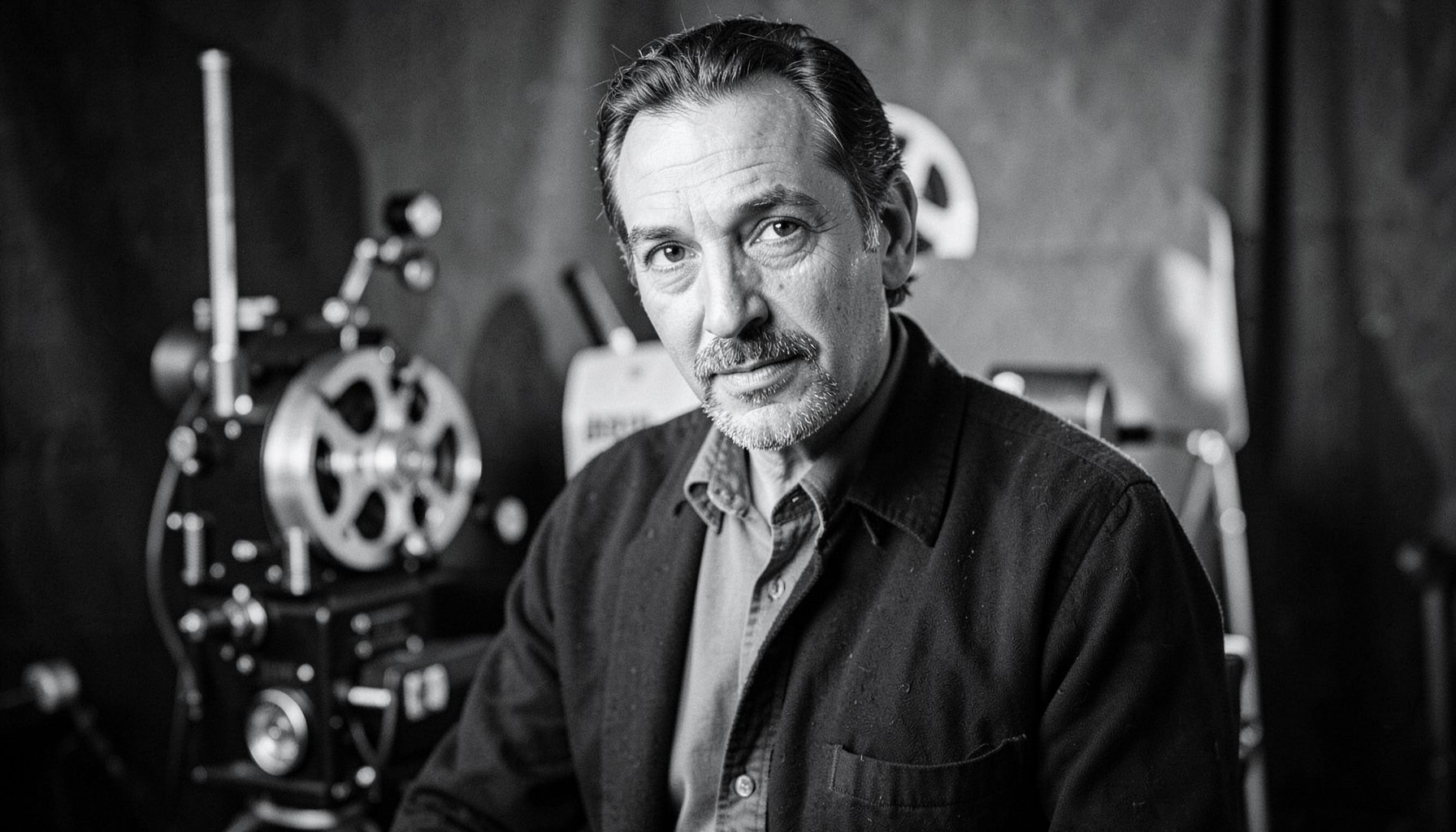

Micha Shagrir and the birth of Israel’s film school
Micha Shagrir’s name is attached to one of Israeli media’s most consequential acts of institution-building: establishing the Israel Film and Television School in Jerusalem in 1973. He did so from a base in documentary filmmaking, production, photography and journalism, bringing professional standards into a rapidly developing screen culture.
His contribution combined institution-building with a conviction that students learn by making and testing work in public. Shagrir treated observation, interviewing, editing and ethical judgment as connected skills. The school therefore offered more than access to cameras: it created a disciplined setting in which a generation could understand how evidence becomes a screen narrative.
The Shagrir Collection makes that founding role inspectable rather than legendary. Its negatives, prints, films, recordings and personal papers let researchers follow a filmmaker’s work across formats. The material reveals how assignments, production decisions and historical judgments met, giving unusual access to the culture that produced the school and the graduates it shaped.
For an Australian audience, the story reaches beyond a national history. Australian film schools, public broadcasters and regional archives operate under different distances and funding systems, yet they face a shared challenge: how to preserve practical knowledge while keeping it available to learners. Shagrir’s career suggests that the archive and the classroom can reinforce each other.
From visual journalist to institution builder
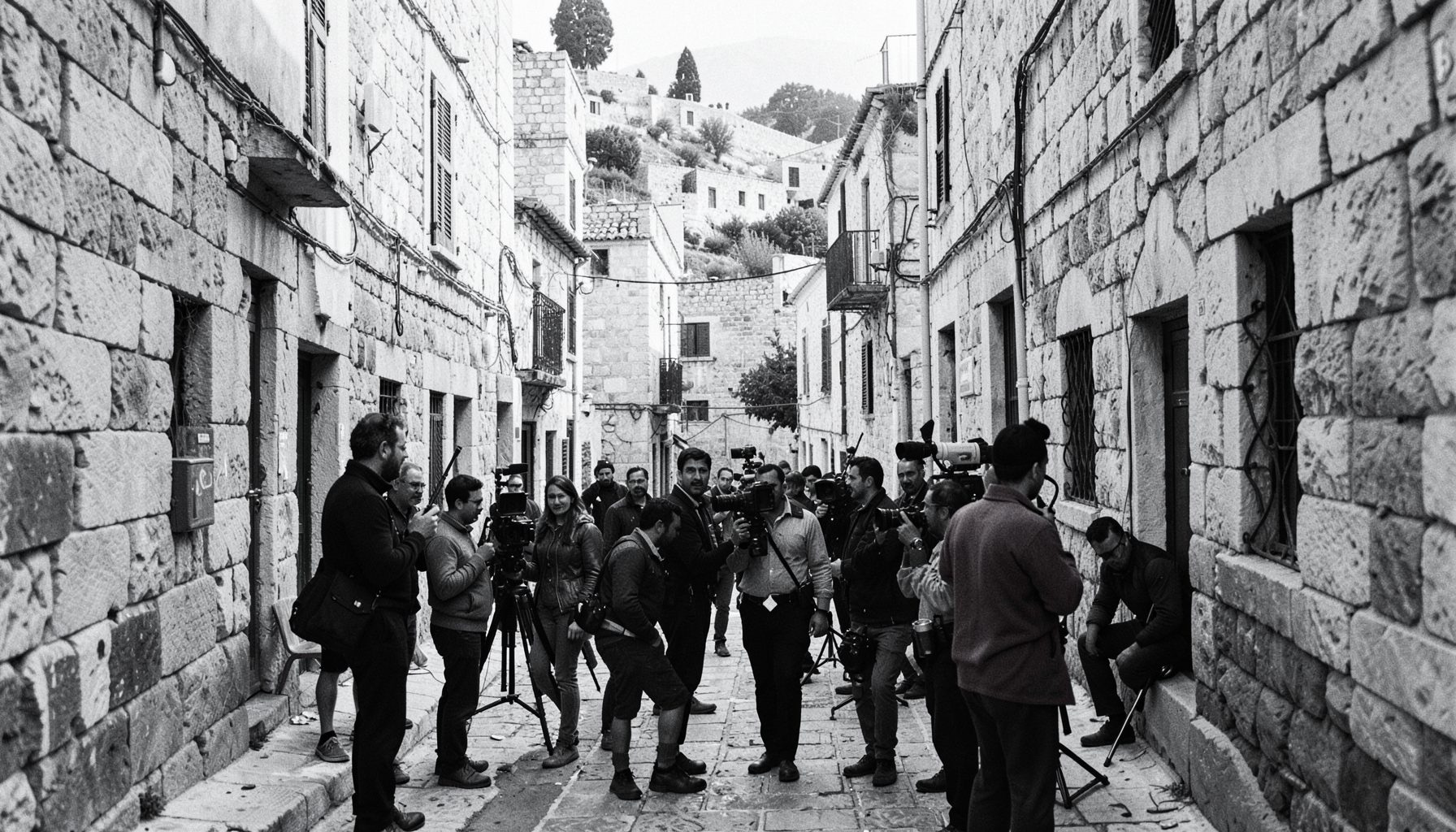
Shagrir arrived at education after a career in which camera work, reportage and production repeatedly met political and social history. He filmed conflicts, followed public projects and documented communities, learning to make images under pressure rather than treating technique as detached from ethics.
A useful starting point is the collection background, which situates his work within a career spanning journalism, still photography, documentary production and historical record-keeping. These formats were interconnected in his practice: photographs supplied observation, films developed an argument and personal papers preserved the decisions behind both.
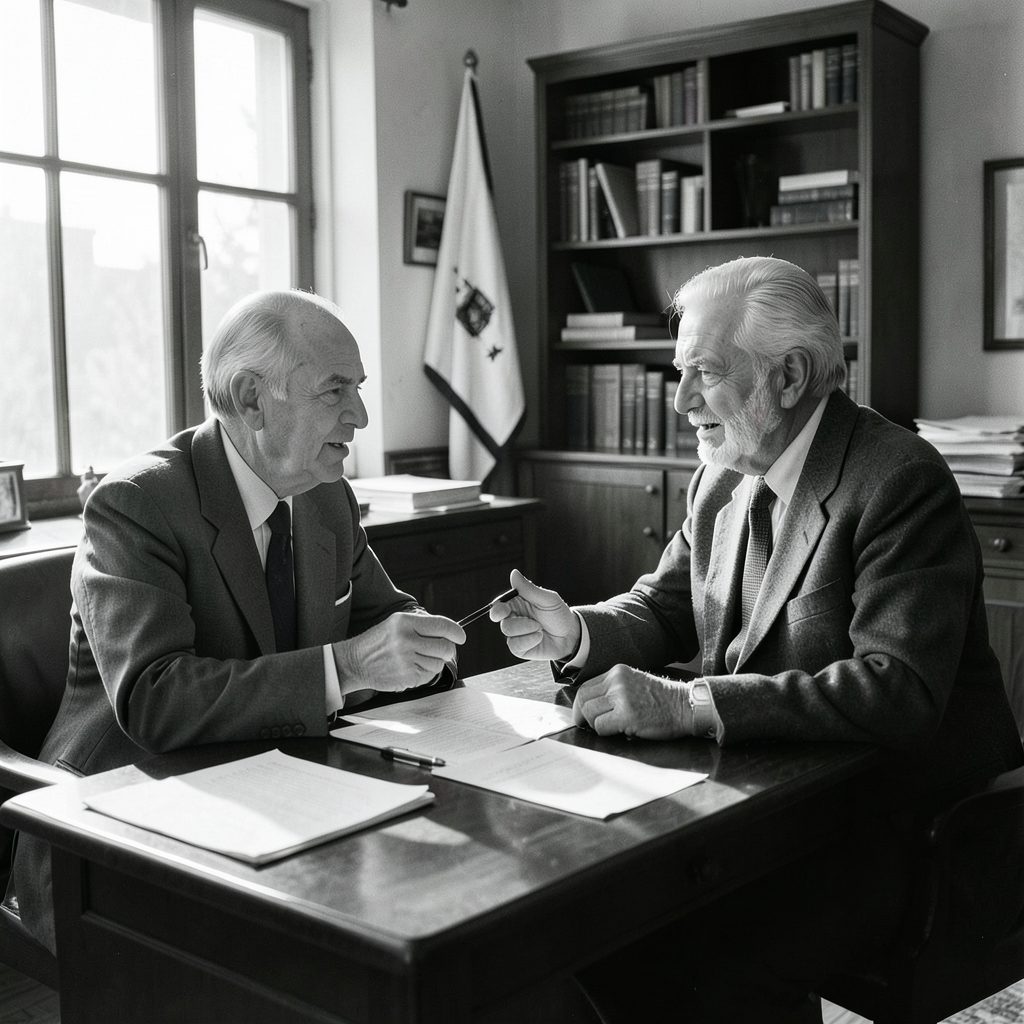
As founder and initial head of the Jerusalem school, Shagrir helped establish its ethos. Professional practice, historical awareness and critical discussion belonged in the same room. That combination gave students something more valuable than technical imitation: a method for deciding what to observe, how to structure evidence and what responsibilities accompany representation.
A practical model for film education
Shagrir’s educational method centred on making, viewing and discussion. Students worked with cameras, sound, editing and research, then treated the edit as an argument rather than a mechanical final step. This practical sequence created a direct route from documentary and journalism into professional screen education.
Documentary held a distinctive place because it joined reporting to historical inquiry. Learners could examine a person, place or event through multiple visual forms, including reportage photography, archival material and filmed testimony. The approach encouraged them to understand form and ethics as related concerns rather than separate academic subjects.
The wider ecosystem can be seen in Israeli screen culture, which places early independent production and the institutions around it in a national context. The school later developed degree pathways and a long-term academic home at Tel Aviv University, extending Shagrir’s original practical model while preserving its emphasis on documentary craft.
Why the founding changed screen training
Before the Jerusalem school, aspiring filmmakers often learned through apprenticeship, informal mentoring and work experience. Such routes could produce strong individual talents, but they left training uneven and difficult to compare. Access depended heavily on personal contacts, and historical awareness was not always integrated into technical instruction.
Shagrir’s decisive contribution was to create a shared framework. He connected production experience with structured critique, gave documentary and journalism a formal place within screen training and established a setting where students could learn from one another’s work.
| Aspect | Training before the Jerusalem school | The model Shagrir established |
|---|---|---|
| Learning route | Apprenticeship and informal mentoring were common | Structured tuition linked production with critique |
| Historical awareness | Often separated from technical training | Current events and archival evidence became teaching material |
| Entry | Depended heavily on personal networks | A defined course offered a more navigable route into the profession |
| Practice | Individual successes could remain isolated | A school identity supported cohorts and shared methods |
| Legacy | Influence passed mainly through individuals | The institution linked screen practice with continuing education |
The significance lies in continuity between making and thinking. A student’s assignment did not end with a usable edit; it became an object for discussion about evidence, responsibility and historical interpretation. Shagrir’s institutional achievement gave those debates a durable home.
Teaching history through documentary evidence
A clear example is Shagrir’s highway documentary, which examines the making of the Trans-Israel Highway through the lives and landscapes affected by it. Infrastructure becomes a way to study government priorities, settlement patterns, labour and environmental change.
Studied alongside Shagrir’s negatives and production materials, the film reveals the distance between an official project and lived experience. A road may appear as an abstract line in a planning document, but photography records nearby homes, altered terrain and the people negotiating construction around them.
This material offers students a way to connect historical research with documentary form. They can compare images with maps and official records, identify omissions in a finished film and ask whose perspective the composition privileges. The exercise trains historical judgment without separating it from camera work.
Preservation priorities and research uses
Responsible custody comes before digitisation because the physical carrier contains evidence about how an image or sound recording was made. For a collection containing negatives, prints, motion-picture elements, audio and papers, cataloguing must preserve context as carefully as it preserves files.
Preservation priorities are clear:
- Retain original negatives, prints, films, recordings and paper records in stable environmental conditions.
- Record provenance, dates, names, locations and rights information alongside every item.
- Create preservation-grade scans and audio masters without discarding the source material.
- Monitor deteriorating formats and migrate vulnerable files before active use accelerates damage.
The collection also supports research and teaching through connections that a single-format catalogue would miss:
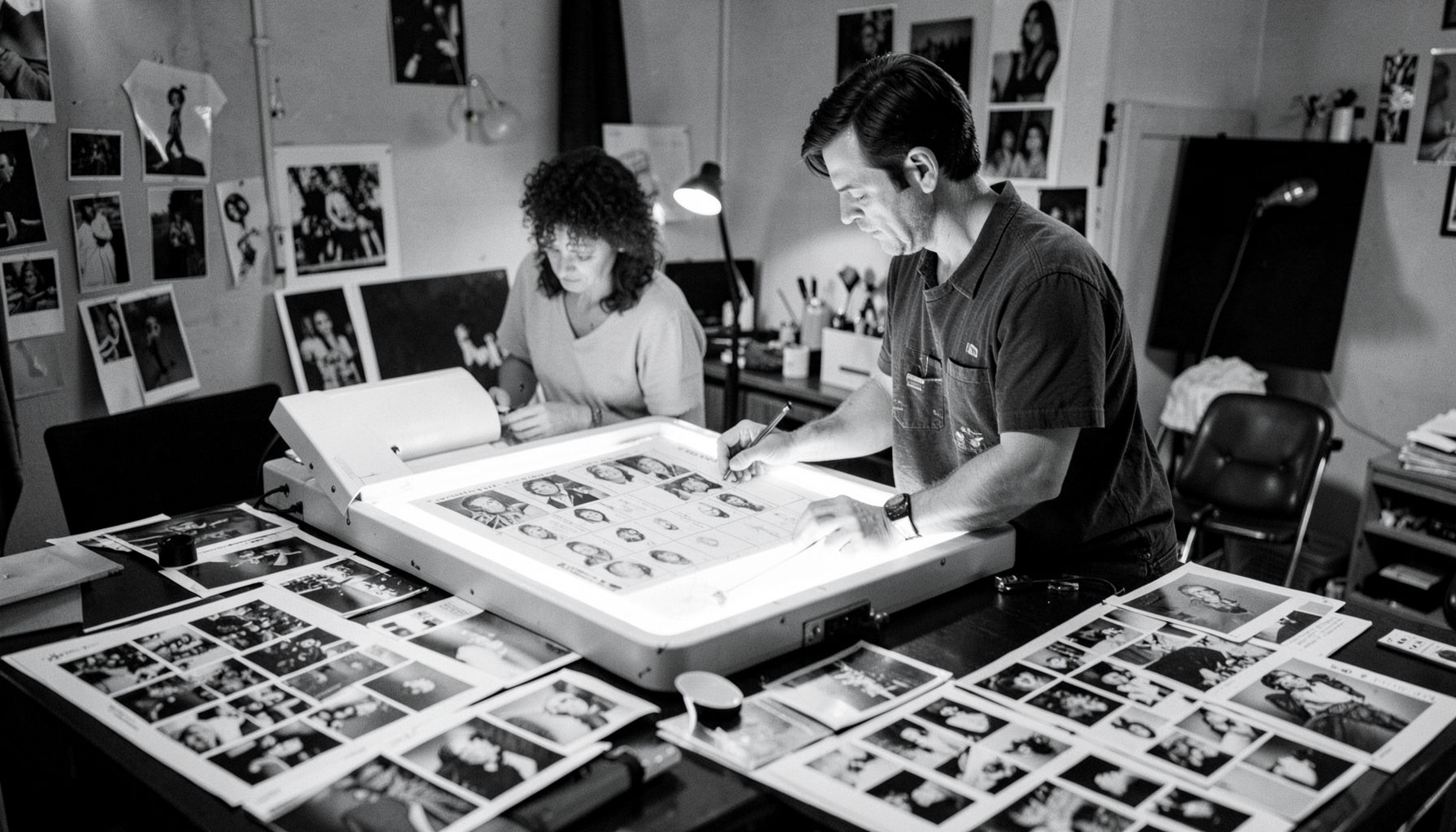
- Use finding aids and contact sheets to locate evidence across still images, films, recordings and papers.
- Pair production documents with finished works to reconstruct editorial and commissioning decisions.
- Compare filmmakers’ visual records with official maps, broadcasts and oral histories.
- Build seminars around observation, ethics, editing and the politics of public evidence.
Technical context matters as well: discussions of archival image workflow reinforce why exposure, processing, scanning and colour decisions should accompany digital surrogates. Careful description distinguishes an attractive reproduction from evidence that can withstand serious research.
Relevance for Australian screen culture
Australian viewers can place Shagrir’s story beside the Australian Film Television and Radio School in Sydney and the Victorian College of the Arts in Melbourne. These cities, like Jerusalem, concentrate production companies, teachers and industry links, but they represent only two points on a wide Australian map.
Canberra adds another dimension through the National Film and Sound Archive and the public-sector role of the ABC and SBS. Their collecting and commissioning models offer a useful comparison with efforts to make a national screen culture accessible beyond the largest studios and production networks.
Distance sharpens the issue. Communities in Perth, Adelaide, Brisbane and smaller regional centres sit far from principal production hubs, while broadcasters and screen agencies connect them with national audiences. Australian crews use familiar shorthand such as a “shoot”, “docos” and a “rough cut”; behind that casual language lies the same need for disciplined training and reliable records that shaped Shagrir’s school.
The founder’s continuing legacy
Shagrir’s legacy lies in connecting three elements that are easily separated: professional craft, historical consciousness and public accountability. The school gave students a place to practise those elements together, while his films and photographs demonstrated that they could operate beyond the classroom.
His importance also lies in what the archive preserves. Negatives, prints, recordings, papers and finished films can document personal working methods as well as public history. Exhibitions and educational programmes allow students to encounter that evidence directly, while archival support widens access for researchers who may never visit Jerusalem.
That is why Shagrir’s role as founder remains larger than a biographical footnote. The school created a pathway into Israeli screen culture, and the collection keeps the thinking, teaching and historical record behind that pathway available to the next generation.