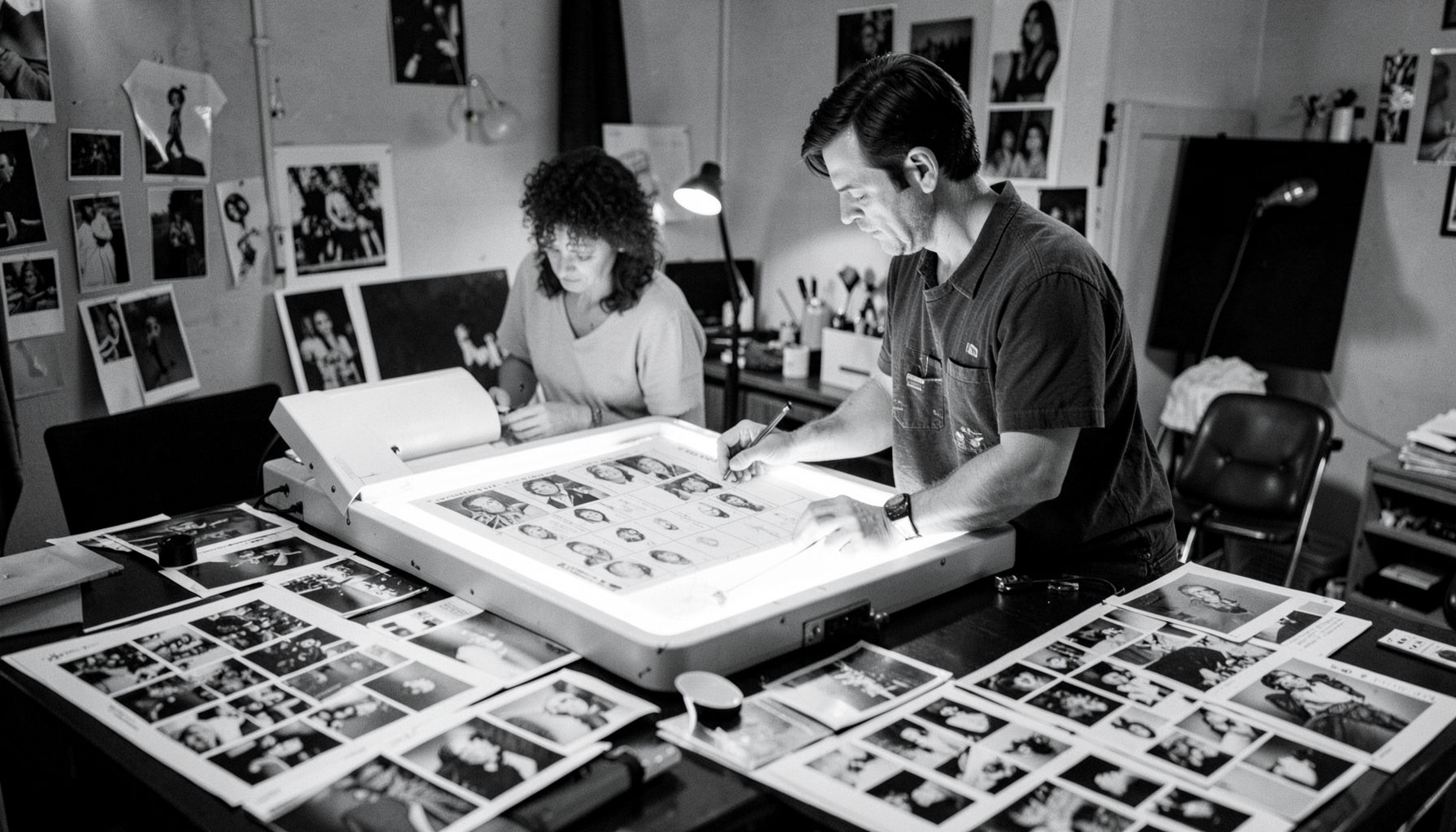

Micha Shagrir’s vinyl records and music memorabilia
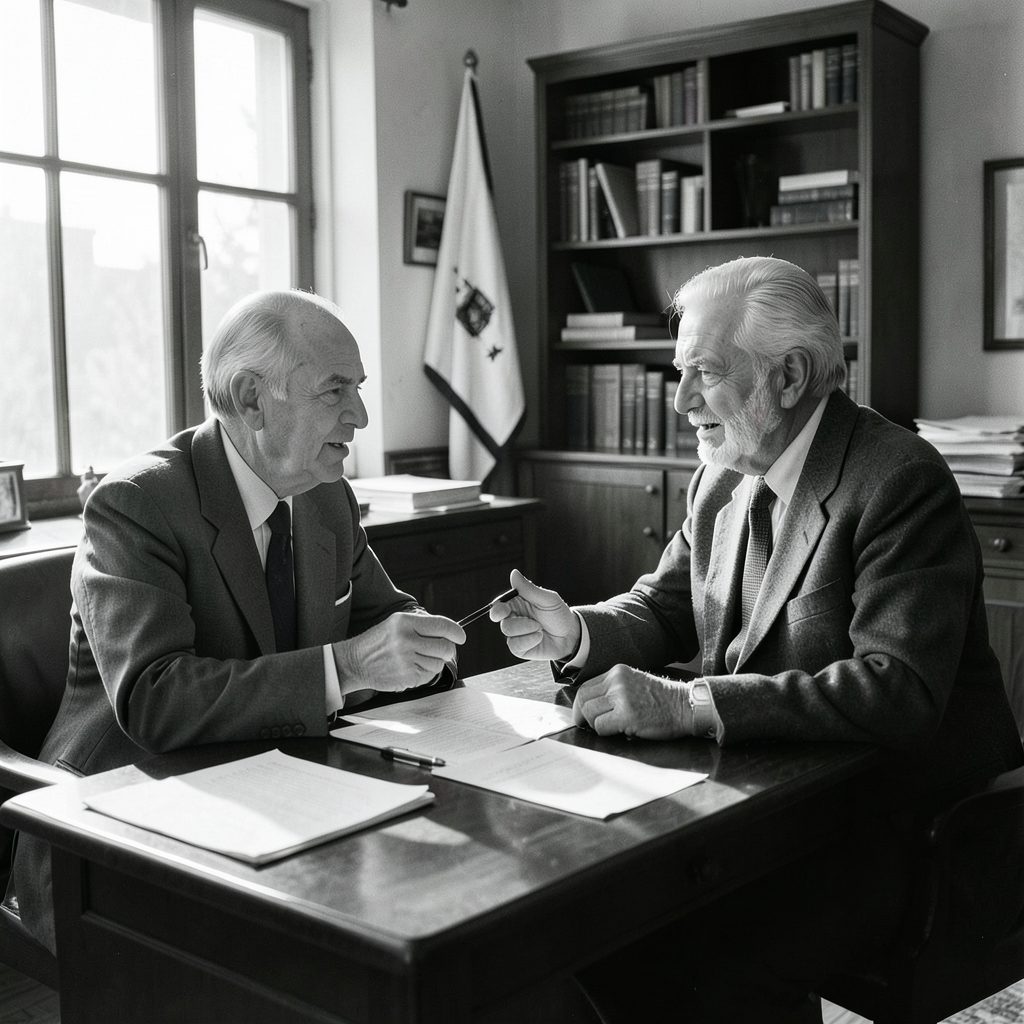
Within the Shagrir Collection, the focus on Micha Shagrir’s personal collection of vinyl records and music memorabilia reveals a private side of a public career. The holdings sit beside photographs, films, recordings and papers associated with the Israeli filmmaker, producer, photographer and journalist. Read together, they show how cultural material entered daily work, followed him between assignments and became part of a personal record of Israeli public life.
Vinyl is especially valuable because it combines sound with physical evidence. A disc preserves performance while its label, sleeve, matrix numbers and wear patterns reveal how it was pressed, circulated and handled. The collection therefore links biography, media history and material culture, allowing researchers to connect an object’s sound with the people, workplaces and events surrounding it.
Listening as a working archive
Shagrir’s work across film, photography and journalism makes recorded music valuable as working material rather than mere entertainment. Songs, broadcasts or concert experiences could shape atmosphere, prompt an idea or place an event within a wider culture. His records also retain traces of the listening technologies and distribution routes available to media professionals during a period of rapid change.
The relationship between his reading and listening can be traced through Shagrir’s personal library. Books reveal intellectual interests and subjects that may also surface in his music choices. The parallel shelves of books and discs create a map of influence, association and curiosity.
A catalogue should therefore record more than a title and performer. Dates of purchase, annotations, adjacent objects, documented broadcasts and oral testimony can establish why a record mattered. Where a link cannot be proved, archivists should preserve the uncertainty rather than turn proximity into a false biography.
Records within Israeli media history
The records must be situated within the public world Shagrir documented. Imported pressings, local releases, private copies and concert ephemera can indicate circulation networks, musical fashions and the availability of sound in different Israeli cities and communities. Their value grows when paired with his photographs, film work and reporting.
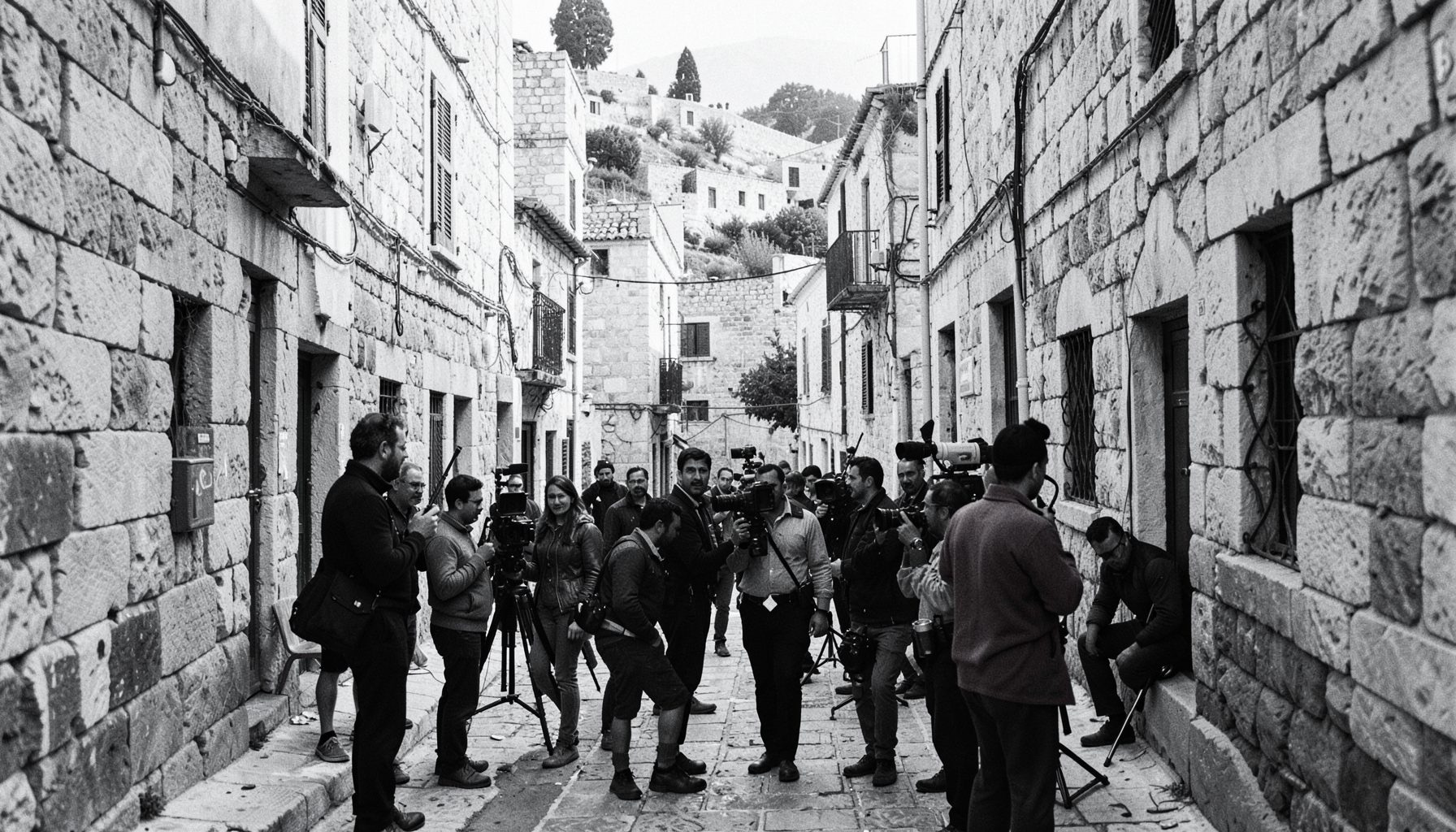
His published Lebanon withdrawal coverage demonstrates the value of this contextual method: images, chronology and first-hand observation turn a distant event into a documented human experience. Record-related objects can support the same scrutiny, but only when their provenance and original use remain clear.
Music can also complicate political history. A soundtrack, studio recording or fan response may illuminate identity, morale or protest without serving as a literal illustration of an event. The archive is strongest when these cultural traces are presented as evidence with their own context, not forced to confirm a predetermined narrative.
Sleeves, photographs and material clues
Album covers and single sleeves function as graphic design, advertising and social documents. They carry artwork, credits, lyrics, labels and design references that the audio alone cannot preserve. For a wider view of visual culture and public memory, Azay Art Magazine provides a contemporary parallel for reading images as historical evidence.
Photographs can confirm whether a performer, venue, crowd or object appeared in Shagrir’s circle. A print showing him holding a record links possession to a particular moment, while a negative may reveal a wider scene. The strongest descriptions separate what is visible, what an inscription states and what a researcher infers.
A careful catalogue should distinguish the evidence carried by common record-related materials:
| Object or format | Evidence preserved | Research value | Main preservation concern |
|---|---|---|---|
| LP or EP | Performance, label and pressing details | Listening history and circulation | Warping, scratches and sleeve abrasion |
| 7-inch single | Jingles, edits and release design | Radio culture and promotion | Small sleeves and fragile vinyl |
| Sleeve and insert | Lyrics, credits, images and notes | Design, personnel and networks | Acid migration, fading and tears |
| Photograph or print | Artist, venue, crowd or listening setting | Visual corroboration and biography | Light, emulsion and handling damage |
| Ticket, flyer or programme | Date, venue, bill and admission details | Event chronology and geography | Brittle paper and unstable ink |
| Note, receipt or label | Names, shops, prices and annotations | Routes of collecting and personal interests | Privacy review and fading marks |
Preserving fragile, playable objects
Preservation starts with stability. Australian heat and humidity can encourage mould, paper migration and vinyl warping, so records need cool, dry storage away from direct sunlight. Discs are best stored vertically in clean inert sleeves, while sleeves, tickets and inserts belong in acid-free folders with supportive tissue.
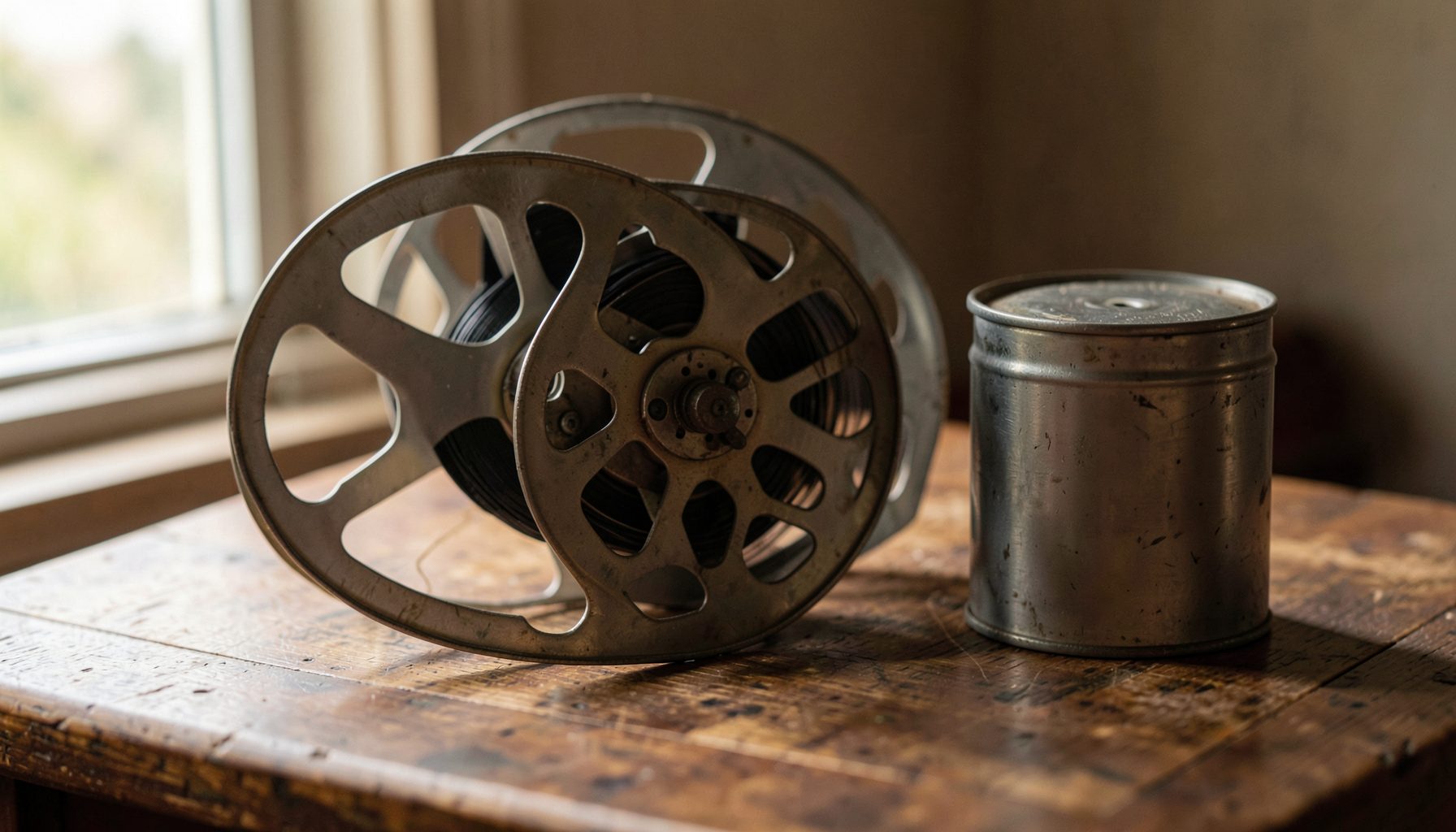
Playable material also needs careful digitisation. A baseline capture should document the source, equipment and playback settings before any restoration or noise reduction. Preservation files should retain the original signal, including surface noise, while access copies can be cleaned and filtered. Backups should exist in more than one geographically separate location, with fixity checks and clear retrieval procedures.
Preservation also means deciding what should become public. For a broader reflection on the afterlife of personal memory, Deepali Gupta’s cultural commentary offers a useful companion to the catalogue. Permissions, privacy and cultural sensitivity matter because sleeves, correspondence and photographs may identify people who never expected their details to circulate.
Collecting and listening in Australia
Australian collectors encounter records in familiar settings: weekend markets in Melbourne and Sydney, specialist record shops, community events, garage sales and neighbourhood op shops. Many listeners still value the ritual of opening a sleeve, reading the credits and choosing a side. Community radio, jazz venues and home listening rooms add social settings where a shared record can become evidence of local taste and generational memory.
Buying used vinyl involves different protections depending on the seller. The Australian Consumer Law requires goods supplied by a business to be of acceptable quality and accurately described. A dealer or commercial online seller must generally honour consumer guarantees, while a private sale usually depends on the listing and the platform’s rules. Buyers should retain photographs of the condition and confirm return terms before payment.
Ownership of a physical record does not transfer copyright in its recording or cover art. Digitising, uploading or selling a download can engage the Copyright Act 1968, while institutions also consider performer rights, donor conditions and cultural protocols. When donating to a library, archive or community radio station, ask about accession policy, privacy screening, storage space and whether the organisation is a Deductible Gift Recipient eligible to issue a tax receipt.
Practical steps for researchers and donors
Researchers should work from the catalogue, cite object-level references and separate documented associations from informed possibilities. A clear condition report and careful description of provenance will often be more useful than a sweeping but unsupported claim.
Donors and collectors should preserve original sleeves, inserts and related papers, then ask the receiving institution about its preferred transfer method and restrictions.
- Build an item-level catalogue with identifiers, dates, labels and provenances.
- Keep sleeves, inserts, notes and packaging with the relevant disc.
- Photograph objects before movement and record scratches, repairs and warping.
- Capture a preservation-quality audio file before cleaning or transfer.
- Check copyright, privacy, donor and cultural-sensitivity requirements.
- Deposit materials through an established archive or donate copies to support public access.