
Shagrir’s travels: Photographing Israel’s border settlements
The Shagrir Collection turns Micha Shagrir’s journeys into a visual geography. Its negatives, prints, contact sheets, films, recordings and personal papers document a working media career and the places through which Israeli society changed. The photographic series on Israeli border settlements offers a particularly revealing route: roads, farms, military posts and new housing become evidence of how territory was organised and claimed.
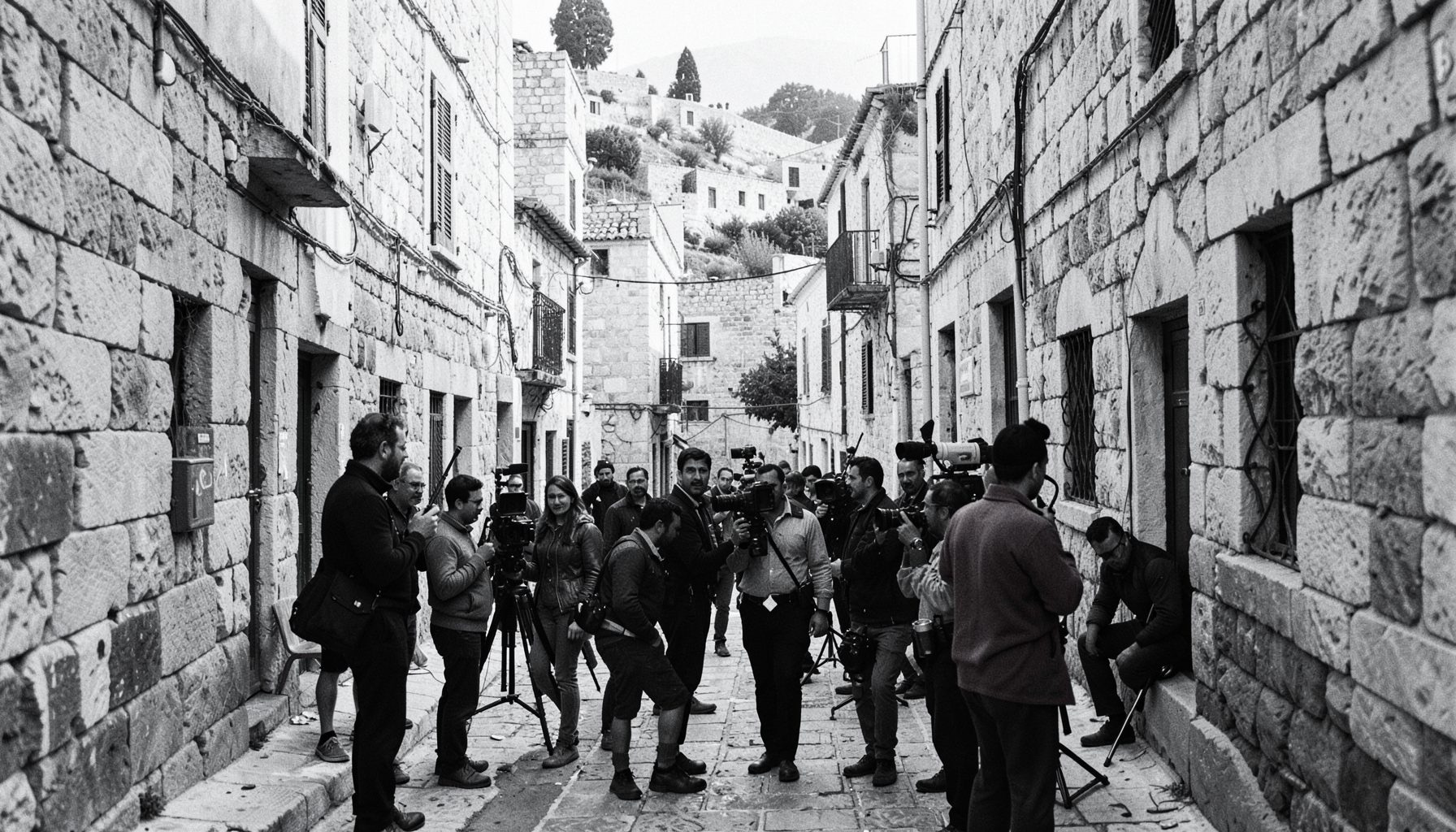
Reading these images requires more than identifying a kibbutz or hillside community. Shagrir’s framing decisions also recorded relationships among civilians, soldiers, administrators and journalists. Captions, dates and sequences can reveal a journey in progress, while gaps and editorial choices expose the limits of any single photographer’s viewpoint. The result is an archival account of settlement as lived experience, political programme and contested historical memory.
Travel routes and the making of an archive
The materials associated with Shagrir’s travels span established towns, agricultural districts and the frontier edges of the state. Early work records the geography of border communities before later assignments brought him into the expanding network of Israeli settlements in the occupied West Bank. Comparing these phases prevents the later landscape from being mistaken for a single, timeless frontier.
The series gains meaning through accumulation. A house may first appear as one frame among scrub, then reappear beside an access road, school or security barrier. Such repetition lets researchers trace municipal growth, land use and the conversion of open terrain into a settled political map. It also shows regional councils and settlement blocs as practical systems rather than simply rows on a location map.
Provenance is crucial. Negative sleeves and annotations may preserve a place-name, travel date, commissioning editor or unpublished sequence that changes the interpretation of a print. Researchers can contact the archive for permissions, clarification of holdings and guidance on materials related to a specific route or assignment.
Reading settlement through landscape and power
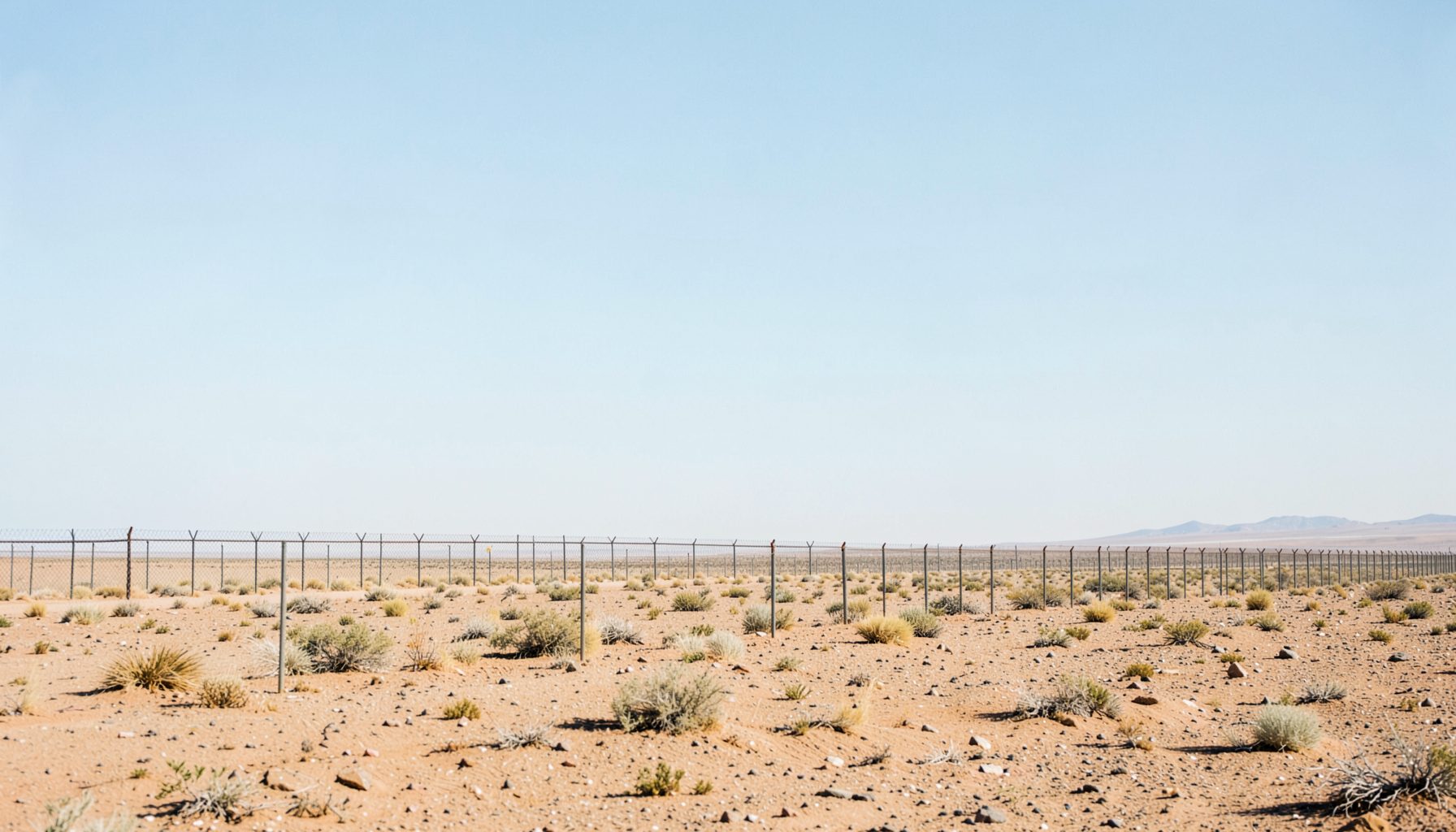
Landscape photography is never neutral. Shagrir’s horizons may make settlement appear sparse and expansive, while foreground details can emphasise crops, water lines, children, uniformed personnel or construction. The visual balance between environment and inhabitants reveals an implicit argument about who belongs in the land and who controls its movement.
Viewers should also distinguish documentation from endorsement. A photograph may record an official visit, settlement ceremony, patrol or daily routine without settling the ethical questions attached to those scenes. Dates, captions and adjacent frames help recover context, yet they cannot erase the photographer’s position. The archive is strongest when images are treated as mediated testimony rather than transparent proof.
Comparison broadens that scrutiny. The JCHM photographic holdings provide a route into related visual histories, while Shagrir’s own negatives allow researchers to test how a published picture was selected from a wider field of view. Negative order, cropping and sequencing expose the editorial construction behind familiar documentary images.
Working with negatives, captions and provenance
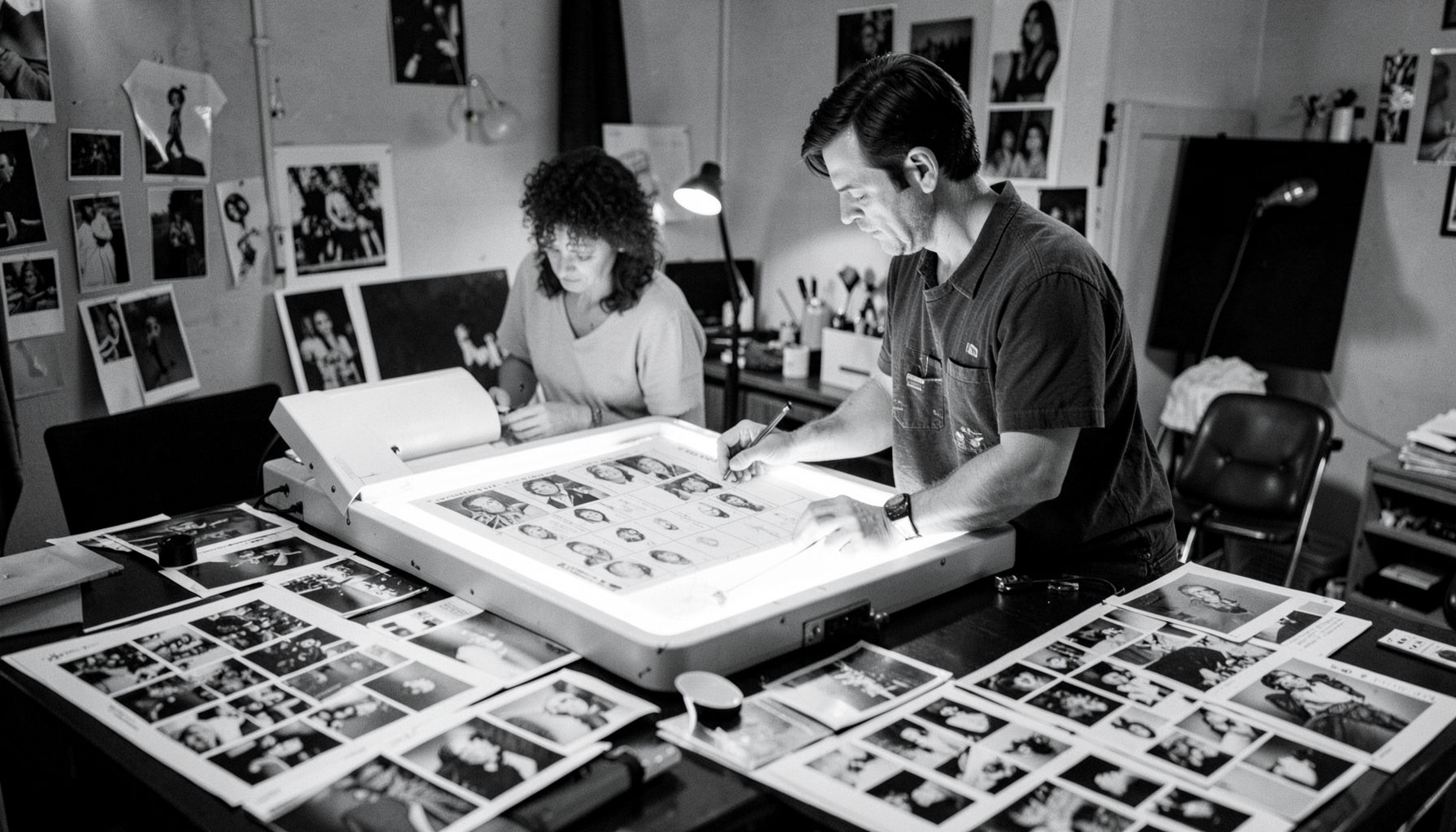
Working from the physical archive changes the questions a visitor can ask. Rather than simply locating a familiar building or landscape, a researcher can reconstruct how an image was made, how it was edited and where it circulated. This approach connects the geography of settlement to the institutions that documented it.
A first evidence-led reading can focus on what each object records:
- Negative numbers and sleeve annotations can connect a print to an unpublished exposure.
- Caption wording and place names reveal contemporary descriptions of a community.
- Dates and sequences help identify repeated visits and editorial continuity.
- Commissioning or publication credits expose the institutional context behind an image.
- Physical formats, processing marks and condition details support authentication and preservation decisions.
A second reading can test how those objects work together:
- Pair wide landscape frames with close views of roads, buildings and daily activity.
- Compare photographs from different dates to trace settlement expansion and infrastructure.
- Read military, family and local-government records alongside the visual material.
- Transcribe captions carefully and investigate changes or translations in place-names.
- Distinguish original negatives, later prints, published copies and modern reproductions.
Together, these methods turn a sequence of pictures into spatial history. They show which roads were usable, where communities clustered, how officials described new sites and how Shagrir chose to place buildings within their surroundings. The gaps remain important as well: a missing frame may indicate censorship, editorial rejection, loss or simply a journey that was never photographed.
Australian ways of encountering the collection
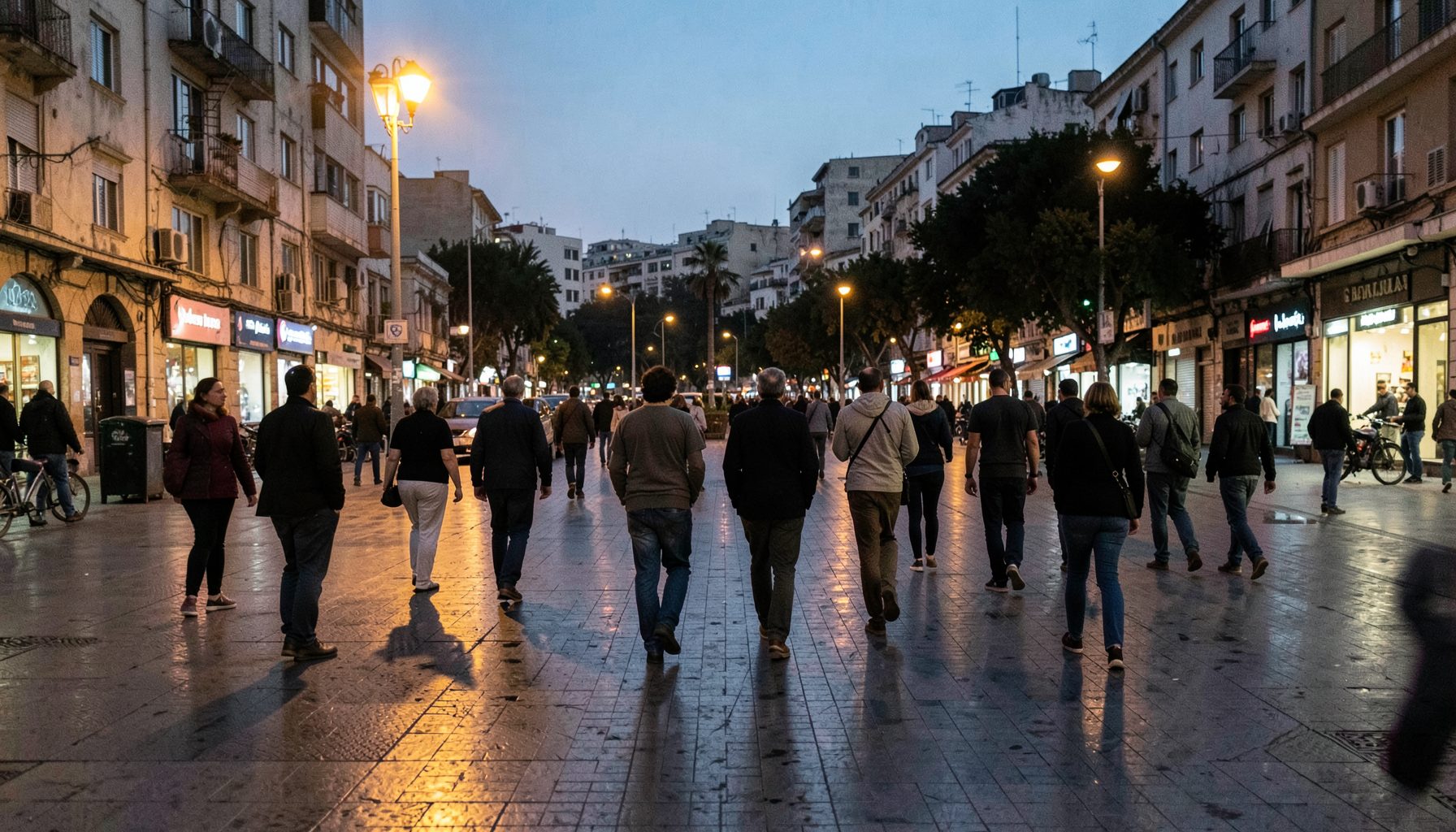
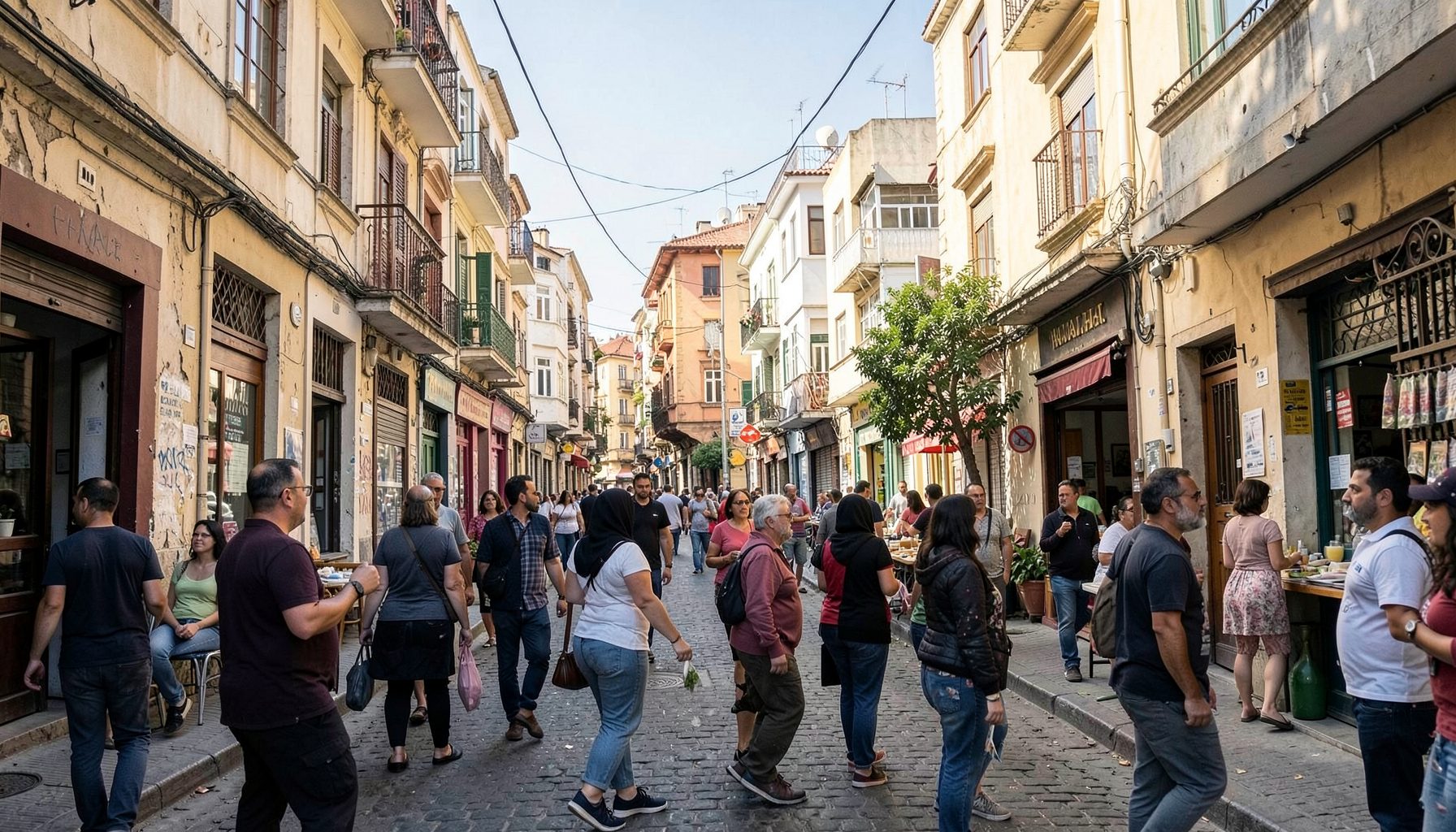
For an Australian audience, the collection offers a productive point of comparison without equating different histories. Sydney and Melbourne readers are accustomed to tracing cities through rail, tram, ferry and road corridors, while everyday life moves between apartments, suburban homes, cafés and weekend shopping. Shagrir’s mapped travel invites the same spatial awareness: follow the route, notice the infrastructure and consider which journeys the frame makes easy or difficult.
The local market provides another entry point. At Queen Victoria Market in Melbourne, Adelaide Central Market or regional growers’ markets, shoppers routinely read provenance, freshness and origin. Photographic archives can seem remote from that habit, yet captions and production records offer comparable layers of information. When the archive sells prints or educational products, the Australian Consumer Law also governs price representations and consumer guarantees.
Rights and privacy require finer local attention. Many photographs in Australia remain protected under the Copyright Act 1968, often for the creator’s life plus 70 years, depending on publication history and applicable exceptions. Personal information must be assessed under the Privacy Act 1988 and the relevant state or territory privacy laws, with journalistic and public-interest exceptions considered rather than assumed. These rules shape catalogue access, reproductions and exhibition use.
Australian readers may also recognise the value held by institutions such as the National Archives of Australia, state libraries and specialist photography collections. The Shagrir Collection’s educational programme, Shagrir’s lens on democracy, demonstrates how primary-source photographs can support discussion about public institutions, media decisions and democratic accountability.
Preservation, memory and public access
These holdings belong to a wider documentary practice. The archive’s account of Kennedy’s 1963 Israel visit shows Shagrir recording senior political figures within a much broader chronology of travel and political reporting. Settlement photographs can therefore be read alongside his coverage of diplomacy, military affairs and everyday life rather than as an isolated body of work.
Preservation must protect both the object and its place in that chronology. Digitisation reduces handling risks, while durable file naming, embedded metadata and stable catalogue descriptions support search across negatives, prints and associated papers. Exhibitions and educational programmes can then reveal the sequence behind selected images without removing them from the evidentiary relationships that give them meaning.
Shagrir’s photographs remain valuable because they preserve movement rather than a fixed map. They record construction, occupation, family life and contested borders within the same visual field. In his travels, settlement becomes visible as a process shaped by terrain, institutions and human decisions, and the archive preserves that tension instead of resolving it.