How Shagrir Captured the 1977 Likud Party Rise to Power
The 1977 Israeli election changed the country’s political vocabulary. After decades of Labor-led governments, Menachem Begin’s Likud won enough support to form a coalition and bring the right to power for the first time. The result became known as the mahapach, or “upheaval”: a word that expressed both electoral shock and a deeper social realignment.
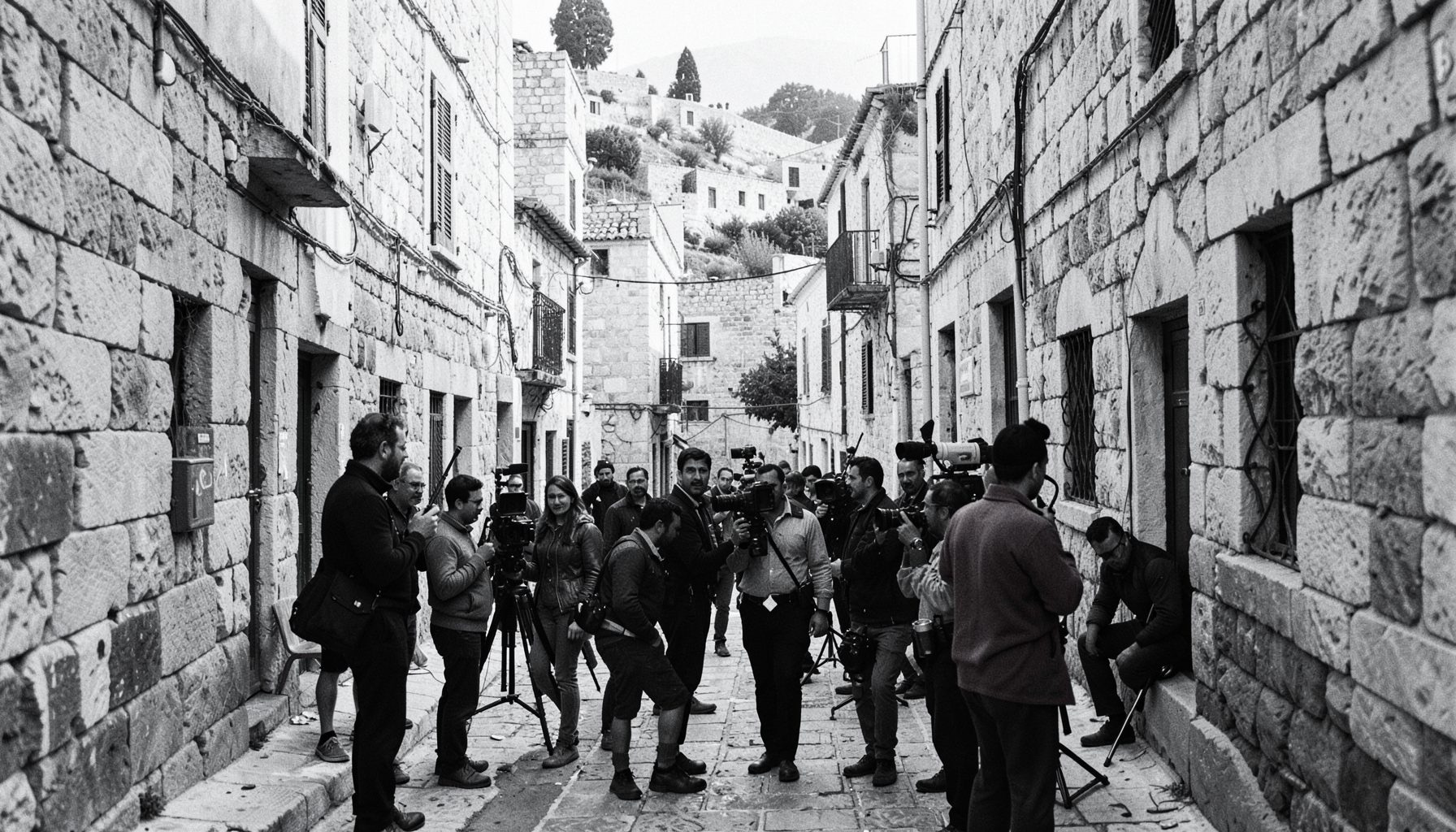
Micha Shagrir approached this turning point as a filmmaker, photographer, producer and journalist. His work did not simply record the final vote count. It followed the people, campaign machinery, public meetings and political moods that made the result possible. His images help viewers see how power looked before it became official.
For an Australian audience, the closest comparison might be the atmosphere around a federal election when a long-governing party is suddenly vulnerable: the television studios running late, the talkback callers sounding unusually certain, and every community hall becoming a place for political argument. Yet the Israeli setting of 1977 carried its own history of migration, war, class tension and competing ideas of national identity.
The Shagrir Collection preserves this period through photographs, films, papers, recordings and related archival material. Taken together, these sources offer more than a campaign retrospective. They reveal how a political transition was experienced on the ground, through faces, gestures, streets and moments of waiting.
The political world before the upheaval
Before 1977, Israeli politics had been dominated by the Labor movement and its governing parties. That power was supported by institutions built during the state’s early decades, as well as by a broad social coalition rooted in the kibbutz movement, organised labour and the country’s founding leadership. The arrangement appeared durable, but it had accumulated resentment.
Many Mizrahi Jews, whose families had come from North Africa and the Middle East, felt excluded from the cultural and political establishment. Economic inequality, bureaucratic distance and memories of being treated as second-class citizens fed a lasting protest mood. Likud, led by Begin, gave that frustration a political home while presenting itself as a movement of national pride and traditional values.
Shagrir’s camera was valuable because it could register this tension without reducing it to party slogans. A rally is made up of banners and speeches, but also of people listening, talking among themselves, carrying children, leaning against barriers or watching from the edge. Those details show how political belonging was performed in public.
Reading the campaign through images
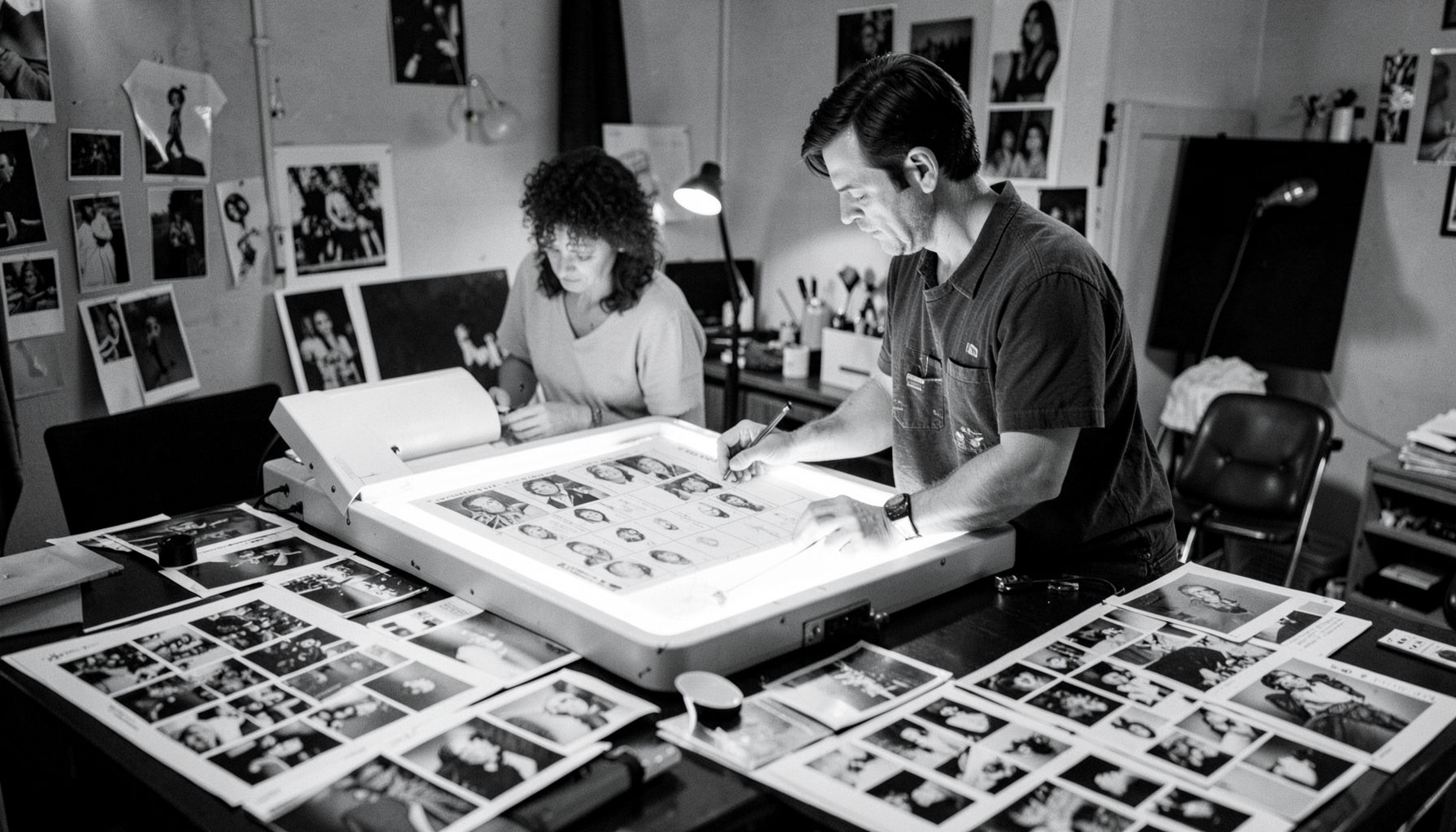
Campaign photography can make an election appear orderly after the fact. The archive unsettles that neatness. Contact sheets, negatives and surviving prints preserve alternatives: frames that were not selected for publication, glances between supporters, empty spaces before a crowd arrived and moments when the candidate was not the main subject.
This is one reason primary-source material matters to historians. A newspaper report may explain what a leader said, while a photograph can show how an audience responded. It may reveal a packed hall, a distracted crowd or a small group standing apart. These visual cues cannot replace written records, but they complicate official narratives.
The distinction would be familiar to Australians who follow elections through a mixture of television, metropolitan newspapers, local reporting and social media. A national campaign looks different in Sydney, Melbourne or a regional electorate. Shagrir’s work similarly reminds us that Israeli politics was lived in particular neighbourhoods and gathering places, not only in Jerusalem press rooms.
Menachem Begin and the theatre of leadership
Begin’s public image combined discipline, emotion and historical memory. He presented himself as a serious statesman, yet his political language could also be intimate and combative. Likud’s campaign drew strength from his ability to speak to voters who believed the old ruling elite had dismissed their experiences.
Photographs are especially effective at capturing this political theatre. A raised hand, a fixed stare, a supporter reaching towards the stage or a security officer scanning the crowd can communicate the structure of an event immediately. The leader occupies the centre, but the surrounding bodies explain how authority is being received.
Shagrir’s images can therefore be read as records of performance as well as records of politics. They show how a campaign created a sense of collective identity. The crowd was not a passive background; it was part of the message, demonstrating that Likud represented a public presence the established parties could no longer ignore.
Crowds, streets and social memory
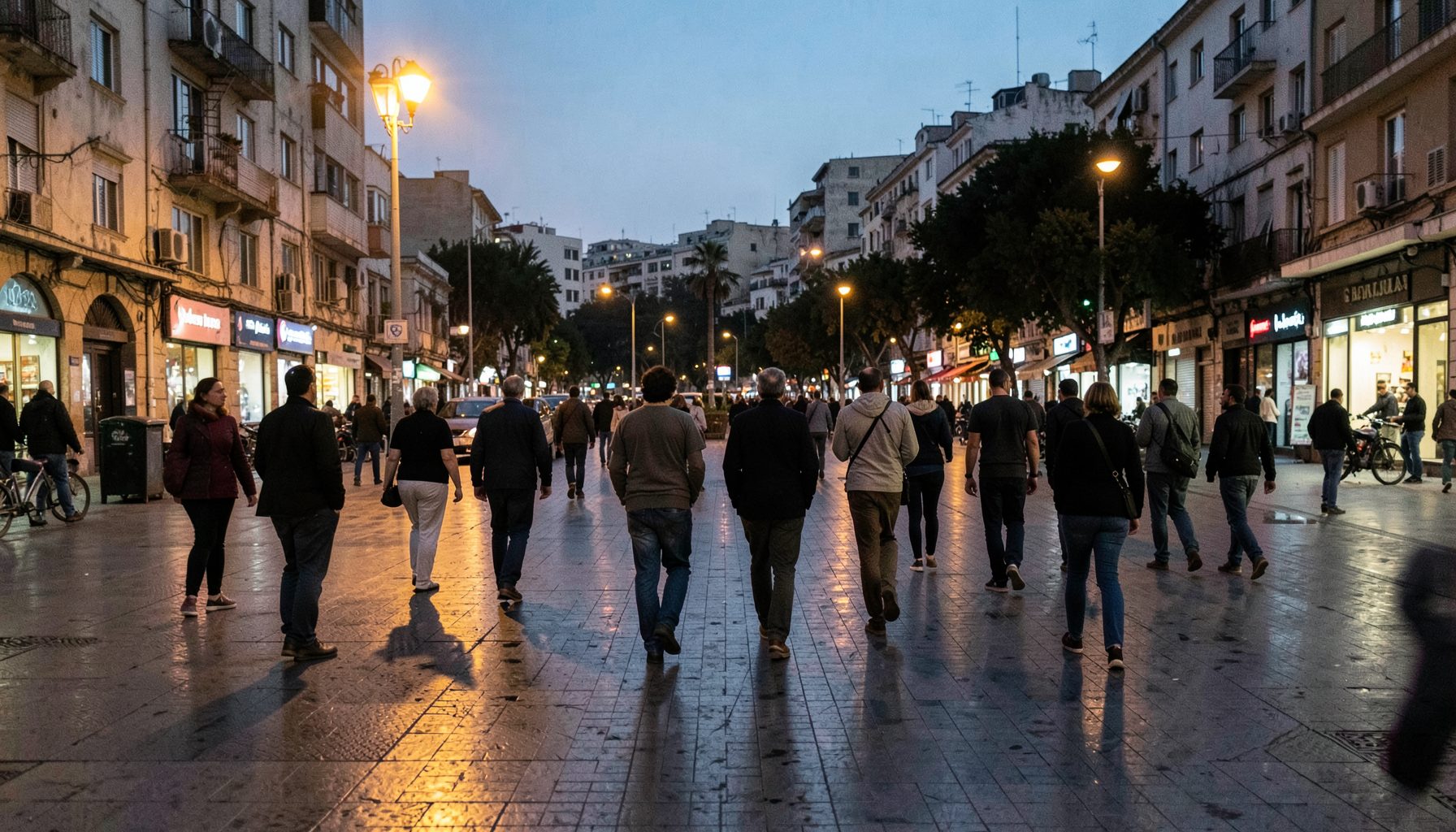
The 1977 election did not occur in an abstract media space. It unfolded in streets, meeting halls, homes and workplaces where people discussed prices, security, corruption, social status and the direction of the country. Documentary images bring those ordinary settings back into view.
For Australians, this ground-level perspective recalls the way election stories are often shaped by a local shopping strip, a suburban branch meeting or a community forum rather than a national studio panel. People say “the vibe” has changed, or that “the whole place is talking about it”. Such language points to a real political atmosphere, even when it is difficult to measure.
Shagrir’s visual record helps preserve that atmosphere. Clothing, shopfronts, handwritten signs, microphones and crowd arrangements become evidence of a society negotiating change. The photographs can be studied for what they show directly, but also for what they imply about class, generational identity and access to political influence.
From election night to a transfer of power
The Likud victory was decisive, but the government still had to be formed. On 17 May 1977, Likud won 43 seats, while the Alignment fell to 32. Begin then built a coalition, and on 20 June he became prime minister. The formal transfer turned a campaign breakthrough into a new governing reality.
Images of election night and its aftermath often carry a different emotional register from campaign photographs. Supporters celebrate, journalists search for confirmation, and political professionals begin calculating alliances. The same result may look like liberation to one group and a national rupture to another.
This transition is central to understanding how Shagrir captured the rise to power. The story is not limited to a victorious party pose. It includes the uncertainty around the result, the reactions of defeated leaders and the physical movement from opposition spaces into government institutions.
Why the archive still matters
An archive allows researchers to return to the evidence instead of relying only on retrospective memory. Political actors later describe the 1977 result through the language of inevitability, but photographs can preserve the uncertainty that existed before the vote. They can show that historical change was experienced as a series of partial signs rather than a single dramatic event.
The same principle applies to later Israeli crises. The Collection’s Rabin assassination record, for instance, demonstrates how visual documentation can connect a major national event with individual expressions of grief, confusion and public mourning. The value lies in the accumulated record, not in one iconic frame.
Digitisation also changes how such material circulates. An Australian student, curator or family historian can encounter a scanned photograph far from the archive’s physical home. Online visitors may move between serious historical research and everyday digital entertainment, perhaps even browsing mobile blackjack during a break, but the archive’s task is to make its sources findable, legible and properly contextualised.
Opening the collection to new readers
The 1977 material can support several kinds of study: political history, documentary photography, media analysis, migration history and the history of Israeli public life. Researchers may compare published images with uncropped frames, trace repeated locations or examine how campaign photographs were edited for different audiences.
It also has value in classrooms and exhibitions. Students can ask what a photograph reveals, what remains outside the frame and how a caption guides interpretation. That method encourages careful looking rather than treating historical images as transparent windows onto the past.
For audiences in Australia, the collection offers a useful way to consider how political change is documented across cultures. The language may differ from that heard on the ABC, SBS or in an Australian election-night broadcast, but the questions are recognisable: who is visible, who is speaking, who feels represented and how does a public mood become government?
The Shagrir Collection continues this work through preservation, research and public access. People seeking information about photographs, films or related records can use the archive’s contact details to connect with the project. In that sense, Shagrir’s record of 1977 remains active: it is evidence to be revisited, interpreted and placed into conversation with the political histories of the present.